
Up to 46,000 German mobile network sites could be affected by a sweeping ban on Huawei. The Federal Network Agency is currently preparing the regulatory framework for this and intends to classify key functions of the 5G radio access network as critical. Once the process concludes, the Federal Ministry of the Interior could prohibit the use of specific Huawei components. The move is not prompted by any publicly documented case of espionage involving German antennas; rather, the decisive factors are the potential for remote access, the risk of large-scale cyberattacks, and concerns regarding political influence exerted by China over a key network equipment supplier. Network operators are not currently required to remove this technology.
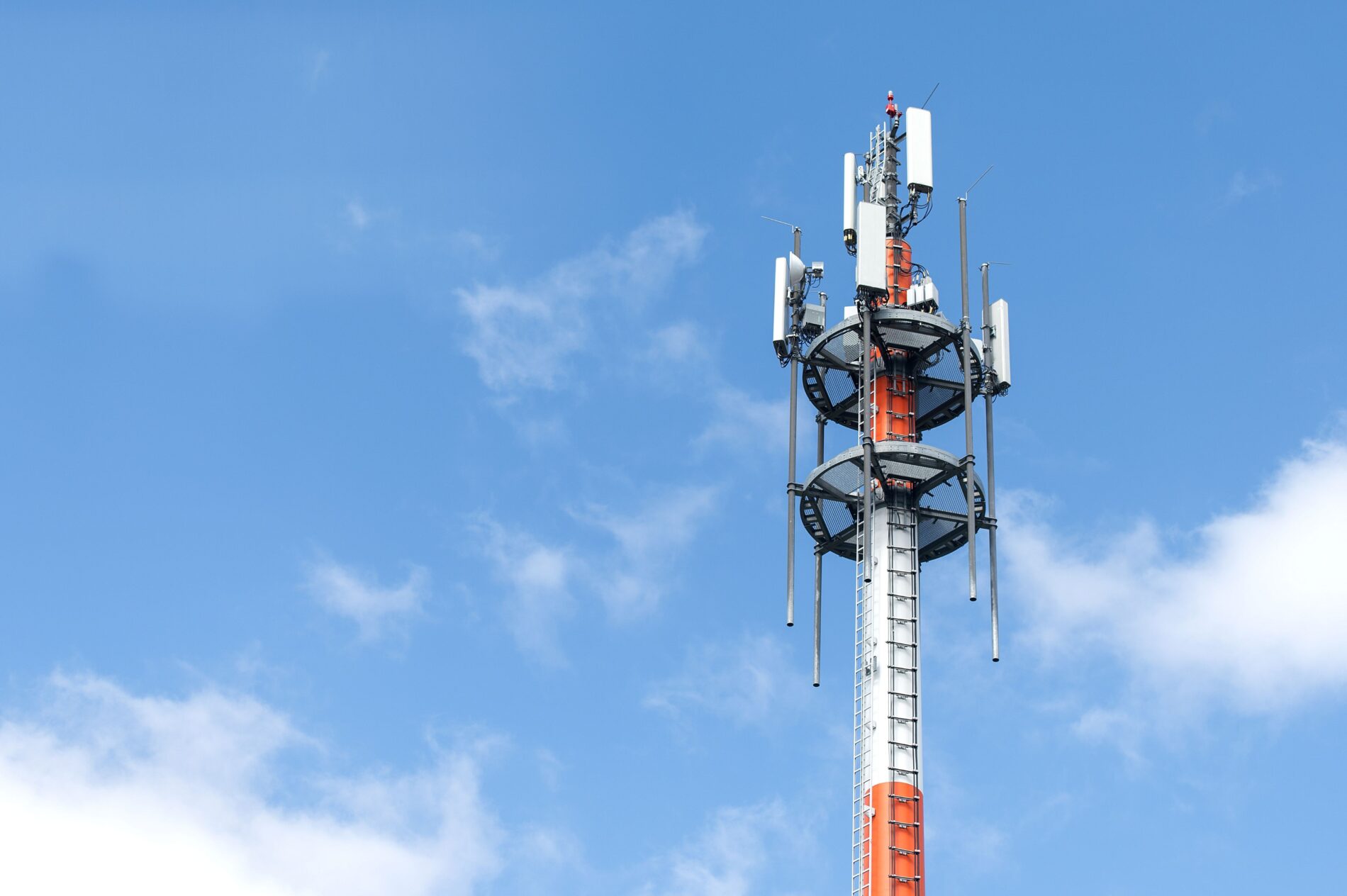
Image: Shutterstock
Federal Network Agency expands the security scope for the 5G network
To date, German restrictions on Huawei have focused primarily on particularly sensitive areas of the core network and on network management systems. Now, for the first time, the Radio Access Network is also coming under greater scrutiny regarding security regulations. This radio access network connects smartphones to the mobile network itself via base stations. Consequently, the new classification would encompass a significantly larger portion of the infrastructure.
The Federal Network Agency has submitted the draft to the European notification procedure in collaboration with the BSI and the Federal Commissioner for Data Protection. Affected companies still have the opportunity to comment on the proposal. According to the current schedule, the final list is expected to be ready by early 2027. Only then could the Ministry of the Interior use this basis to ban specific manufacturers or components.
Why Huawei poses a security risk even without proven espionage
Any potential exclusion would be based on the precautionary principle. A ban does not require proof of an actual incident of sabotage or espionage at a German mobile network site. Under Section 41 of the BSI Act, the Federal Ministry of the Interior may also take into account whether a manufacturer could be subject to the influence of a third country. Equally relevant is whether foreign laws can compel companies to cooperate with state authorities.
This lies at the heart of the conflict surrounding Huawei. The Chinese company has been supplying a large share of Europe’s mobile network technology for years, creating significant dependency. Security agencies view this concentration with increasing concern, as disruptions, political conflicts, or state interference could theoretically affect vast swathes of the communications infrastructure. Huawei rejects the security allegations; to date, there is no publicly documented instance of its German 5G technology being misused.
Around 46,000 mobile network sites would require retrofitting
The potential consequences would nonetheless be substantial. According to calculations by Strand Consult, approximately 58 percent of German 5G mobile network sites use Huawei technology in their radio access networks. The consultancy estimates this figure at around 46,000 sites, though this number is not derived from an official inventory by the Federal Network Agency.
Moreover, a ban would not mean the disappearance of 46,000 mobile masts. Instead, operators would have to remove Huawei components and replace them with technology from other manufacturers. Strand Consult estimates the cost at roughly 50,000 euros per site, resulting in a nationwide total of approximately 2.5 billion euros. However, the actual cost would depend on the scope of any potential ban and the timeframes allowed for the replacement process.
Existing Huawei phase-out set for significant expansion
Telekom, Vodafone, and Telefónica are already required to replace parts of their Huawei and ZTE equipment. Critical components are prohibited from use in German 5G core networks after the end of 2026. A deadline of late 2029 applies to specific management systems within access and transport networks. However, the actual radio equipment at mobile network sites has not yet been subject to a blanket ban.
This is precisely what could change with the new classification. A ban on Huawei in the radio access network would transform what was previously a limited security measure into a far more extensive overhaul. For the operators, this would entail not only multi-billion-euro investments but also years of planning, procurement, and reconstruction across tens of thousands of sites. Consequently, the Federal Network Agency’s decision carries significance that extends well beyond a mere technical reassessment.
Final decision on Huawei rests with the Interior Ministry
The Federal Network Agency does not itself decide on a Huawei ban; instead, it determines which network functions are considered security-critical. Based on this determination, the Federal Ministry of the Interior can subsequently prohibit the use of specific components. The Federal Ministry for Digital Affairs and the Federal Foreign Office are also involved in this process regarding the telecommunications sector.
The process is currently situated between the security assessment and a potential decision to ban the equipment. The state is first expanding the scope within which intervention is even possible. Only then will it be decided whether this new classification actually necessitates the replacement of equipment at tens of thousands of mobile network sites. For the German mobile communications industry, this could result in one of the largest technical network overhauls seen in recent years.
Author: Blackout News
Sources: Golem (01.10.26) – WirtschaftsWoche (30.09.26) – The Intelligent (02.10.26) – Bundesnetzagentur (07.10.26)