
Frankfurt – On September 23, IG Metall finalized its demands for the 2026 collective bargaining round. The union is seeking a five percent pay increase for approximately 3.7 million workers, with the agreement to run for twelve months. Additionally, the union is calling for a social component, profit-sharing at profitable companies, and guarantees regarding jobs and locations. Initial negotiations are set to begin on October 7, while the “peace obligation”—during which industrial action is prohibited—expires at the end of October. However, employers warn of the additional burdens this would place on an industry that has already lost tens of thousands of jobs; further cost increases could therefore prompt companies—particularly those already struggling—to implement new cutbacks.
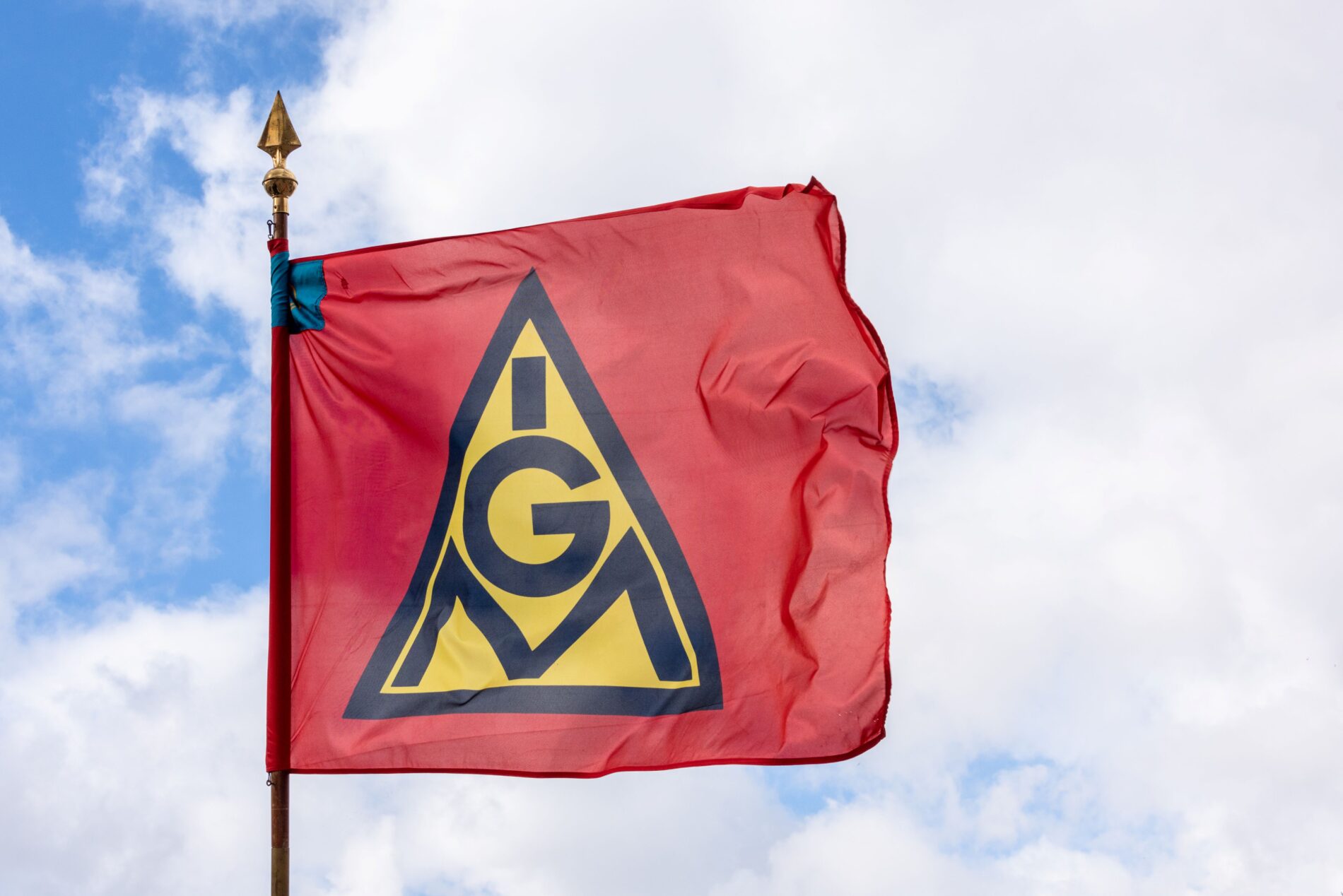
Image: Shutterstock
IG Metall faces a divided industry with its wage demands
Economic conditions vary significantly across different sectors. Aerospace, defense, shipbuilding, and parts of the electrical industry are performing relatively robustly. In contrast, automakers and many suppliers are struggling with weak demand, overcapacity, and declining profitability. Consequently, the union aims to take company-specific differences into account alongside its demands for higher wages.
Employees, too, are experiencing an uneven economic landscape. According to a union survey, nearly half rated their company’s situation as good or very good; however, one in five respondents described it as poor or very poor. Furthermore, even economically successful companies continue to cut jobs. IG Metall therefore argues that a blanket waiver of wage increases would fail to reflect the actual situation of many companies.
Employers View Additional Wage Costs as a Threat to Jobs
Employers take a much more critical view of the demand. The industry association Gesamtmetall points to a years-long decline in employment and persistently weak hiring plans. According to the association’s data, these plans had been trending downward for the 38th consecutive month as of August. At the same time, the number of unemployed workers in the metal and electrical sectors rose to over 180,000. Consequently, collective bargaining is beginning at a time when many companies are already cutting personnel costs.
The conflict is particularly evident in Baden-Württemberg. There, the regional association Südwestmetall points to the loss of approximately 90,000 jobs since employment peaked in 2019. Furthermore, around half of the companies surveyed anticipate further workforce reductions. The employers’ association therefore considers a five percent pay increase to be economically unsustainable. In its view, higher collectively agreed labor costs could place an additional burden on investment and employment.
Flexibility clauses could shape the collective bargaining agreement
This brings the issue of company-level exceptions to the fore. A defense contractor with a full order book can more easily absorb a higher wage settlement than an automotive supplier operating at a loss. Consequently, far-reaching flexibility clauses could prove crucial to reaching a compromise. At the same time, the IG Metall union aims to give employees of successful companies a greater share in their financial results. This would mean that a company’s specific economic situation would play a larger role in determining the actual cost burden.
In doing so, the union is attempting to link higher incomes with job security. However, past rounds of collective bargaining demonstrate how quickly economic conditions can shift. In 2008, shortly before the financial crisis hit, the union began negotiations with a demand for an eight percent increase. Ultimately, the negotiating parties agreed on two increments of 2.1 percent spread over a total of 18 months. For 2026, therefore, the specific structure of the agreement is likely to be more decisive than the initial demand. Warning strikes may begin on November 1 if no agreement is reached by that time.
Author: Blackout News
Sources: Wir wollen 5 Prozent mehr Geld, sichere Jobs und Gewinnbeteiligung – Fünf Prozent mehr Lohn bei Metall und Elektro? – Tarifrunde 2026: Bitte nicht einer für alle!