
Budapest, August 2026: Several operators in Hungary are shutting down fast chargers or limiting their power output during evening hours. Shell completely took its charging points at Tesco parking lots out of service on August 4. Metro deactivates its own stations daily from 4 p.m. to 10 p.m. Shell, MOL, and E.ON are throttling other high-power chargers between 4 p.m. (or 5 p.m.) and 10 p.m. These measures are driven by a heatwave, low water levels on the Danube, and significantly reduced power generation at the Paks nuclear power plant. As a result, reserve capacity is lacking in the evening, just as air conditioning drives up consumption. EV drivers must therefore expect station outages, longer charging times, and detours. However, sales of petrol and diesel continue as normal.
Fast chargers at Shell and Metro locations completely out of service
Shell shut down its “Recharge” points at Tesco stores at noon on August 4; this measure remains in effect until further notice. At Shell service stations, the chargers remain available but are limited to a maximum output of 150 kilowatts between 4 p.m. and 10 p.m. The company therefore advises against charging between 5 p.m. and 10 p.m. whenever possible.
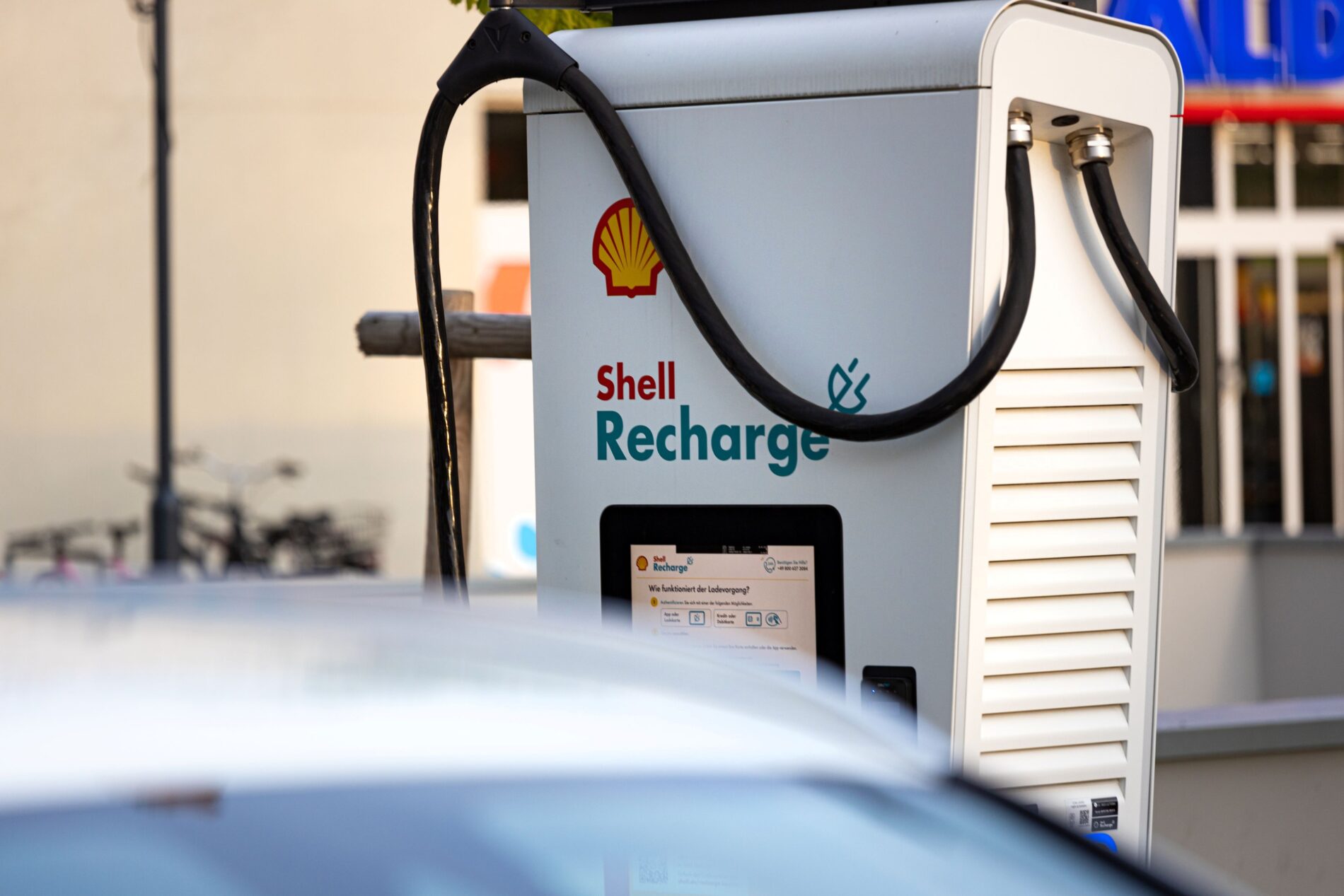
Image: Shutterstock
Metro is going a step further, using software to switch off charging points at all its stores on a daily basis. However, this restriction applies only between 4 p.m. and 10 p.m. MOL is capping the output of its Plugee fast chargers—normally rated at 150 kilowatts or higher—at 100 kilowatts between 5 p.m. and 10 p.m. Additionally, E.ON is halving the total available power at locations with a capacity of at least 300 kilowatts. According to the company, this measure can free up as much as ten megawatts of grid capacity.
Power Shortage Makes Evening Charging Difficult
This intervention is a response to a strained electricity supply-demand balance. On August 4, the Paks power plant generated only 230 megawatts instead of its usual 2,000. At the same time, the government had forecast a peak load of 7,100 megawatts for that day. However, households and businesses reduced their consumption by 562 megawatts compared to projected levels.
The drop in output is due to exceptionally low water levels in the Danube. The power plant requires river water for cooling but is currently able to deliver just over ten percent of its rated capacity. Meanwhile, the heat caused nationwide electricity demand to rise above 7,000 megawatts. Consequently, citizens and businesses saved between 600 and 700 megawatts daily during the evening peak.
Shutdowns affect long-haul drivers and holiday traffic
The restrictions particularly impact drivers on long-distance routes. Where charging sites are completely shut down, the only option is to look for another station. Throttled fast chargers extend stop times—provided the vehicle and battery level would otherwise allow for higher charging speeds. Travelers should therefore check availability and charging windows before setting off.
Some operators are also using pricing to manage demand; EV.app temporarily charges 420 forints per kilowatt-hour during the evening peak. Additionally, Shell, MOL, and OMV have closed numerous car washes to conserve electricity and water. For electric vehicle drivers, however, the shutdown of fast chargers has the most immediate impact on travel planning. The stations continue to sell petrol and diesel.
Author: Blackout News
Sources: Hungary Today (06.08.26) – Ungarn heute (05.08.26) – Reuters (05.08.26)