
Böhlen/Schkopau – By late July 2026, the chemical industry crisis in Central Germany is intensifying into concrete industrial downsizing. Dow plans to close the ethylene cracker in Böhlen, as well as chlor-alkali and vinyl plants in Schkopau, in the fourth quarter of 2027. High energy, raw material, and CO2 costs are coinciding with weak demand and low-priced imports from China. The decision affects approximately 550 permanent jobs. At the same time, the regional chemical cluster is losing a key supplier of essential basic materials and must reorganize its supply chain.
Chemical industry crisis hits Central German integrated production network
The cracker heats naphtha to over 800 degrees, producing ethylene, propylene, and aromatics. To date, these substances have flowed through tightly interconnected production chains in Saxony and Saxony-Anhalt. Consequently, the shutdown’s impact extends far beyond the Dow plant and the directly affected jobs. Furthermore, downstream operations face the threat of additional costs for raw materials, transport, and storage.
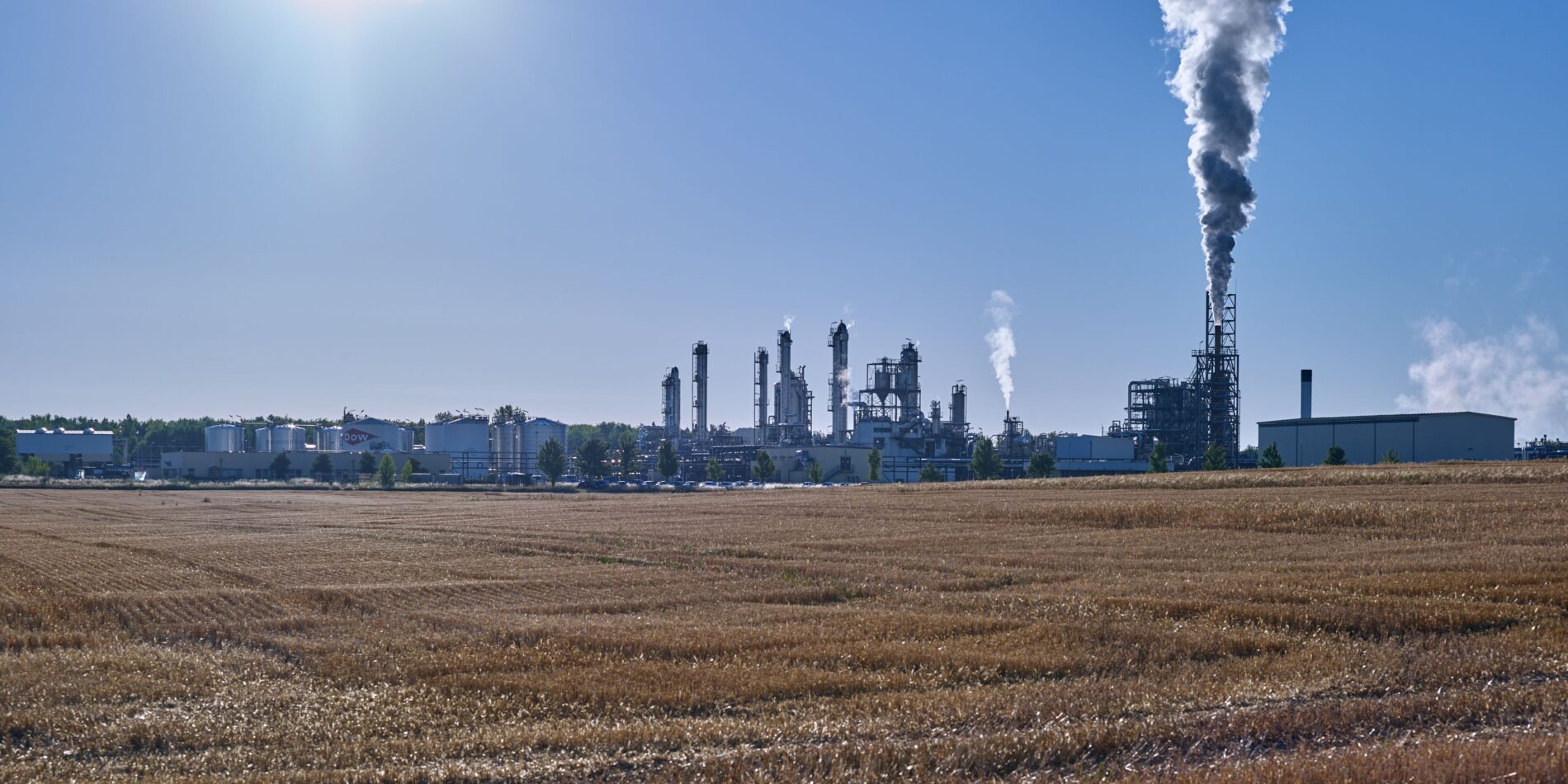
Image: Shutterstock
A Fraunhofer study deems a complete switch to sustainable raw materials—while maintaining existing structures—unrealistic. Instead, researchers investigated alternative feedstocks, methanol-based processes, and biotechnological methods. However, all these pathways require massive investment in infrastructure networks for hydrogen, CO₂, biomass, and renewable energy. The timeline is tight, as Dow plans to shut down the cracker as early as the end of 2027.
Chinese overcapacity intensifies price competition
German chemical exports to China fell by ten percent in 2025, while imports from China rose by just under six percent. The EU purchased chemical products worth nearly 55 billion euros from China—an increase of around 23 percent compared to 2024. Consequently, the European trade deficit with China widened from 9.2 billion to 22.5 billion euros. Chinese overcapacity is thus intensifying price competition within the European market.
Since 2022, companies in Europe have announced the closure of chemical production capacity totaling at least 37 million tonnes—equivalent to around nine percent of the European production base. At the same time, approximately 20,000 direct jobs have been lost, while another 89,000 jobs across supply chains are at risk. The crisis in the chemical industry is therefore no longer limited to just a few older facilities; new investments are barely offsetting the losses.
German Chemical Industry Losing Investments and Capacity
In the first half of 2026, German chemical and pharmaceutical production fell by around three percent. Industry revenue dropped by one percent to 106 billion euros, while investments declined for the third consecutive year. The VCI expects a further production decrease of 1.5 percent for the year as a whole. Consequently, the crisis in the chemical sector is manifesting not only in order volumes but increasingly in the permanent erosion of the industry’s productive base.
The sector’s investments in tangible assets are now around 15 percent below 2023 levels. Furthermore, more than 80 percent of VCI member companies feel that the risk of deindustrialization is not being adequately addressed by policymakers. High energy costs, bureaucracy, and slow permitting processes are stalling new projects. As a result, investments needed to replace shuttered facilities and lost capacity are currently lacking.
Author: Blackout News
Sources: Welt (30.07.26) – EUWID (29.07.26) – MDR (06.06.26) – VCI (16.07.26)