
In light of high fertilizer prices resulting from the war in Iran, the EU Commission intends to provide additional aid to farmers in order to avert crop losses and rising food prices. On Tuesday in Strasbourg, EU Agriculture Commissioner Christophe Hansen pledged “targeted exceptional aid” drawn from an emergency reserve within the European agricultural funds. In the coming weeks, the Commission plans to propose an additional aid package funded from the remainder of the EU budget.
The Commission also aims to promote the production of alternatives to conventional fertilizers in Europe. “Food security begins with fertilizer security. Europe must produce more itself and be less dependent on others,” declared Agriculture Commissioner Hansen.
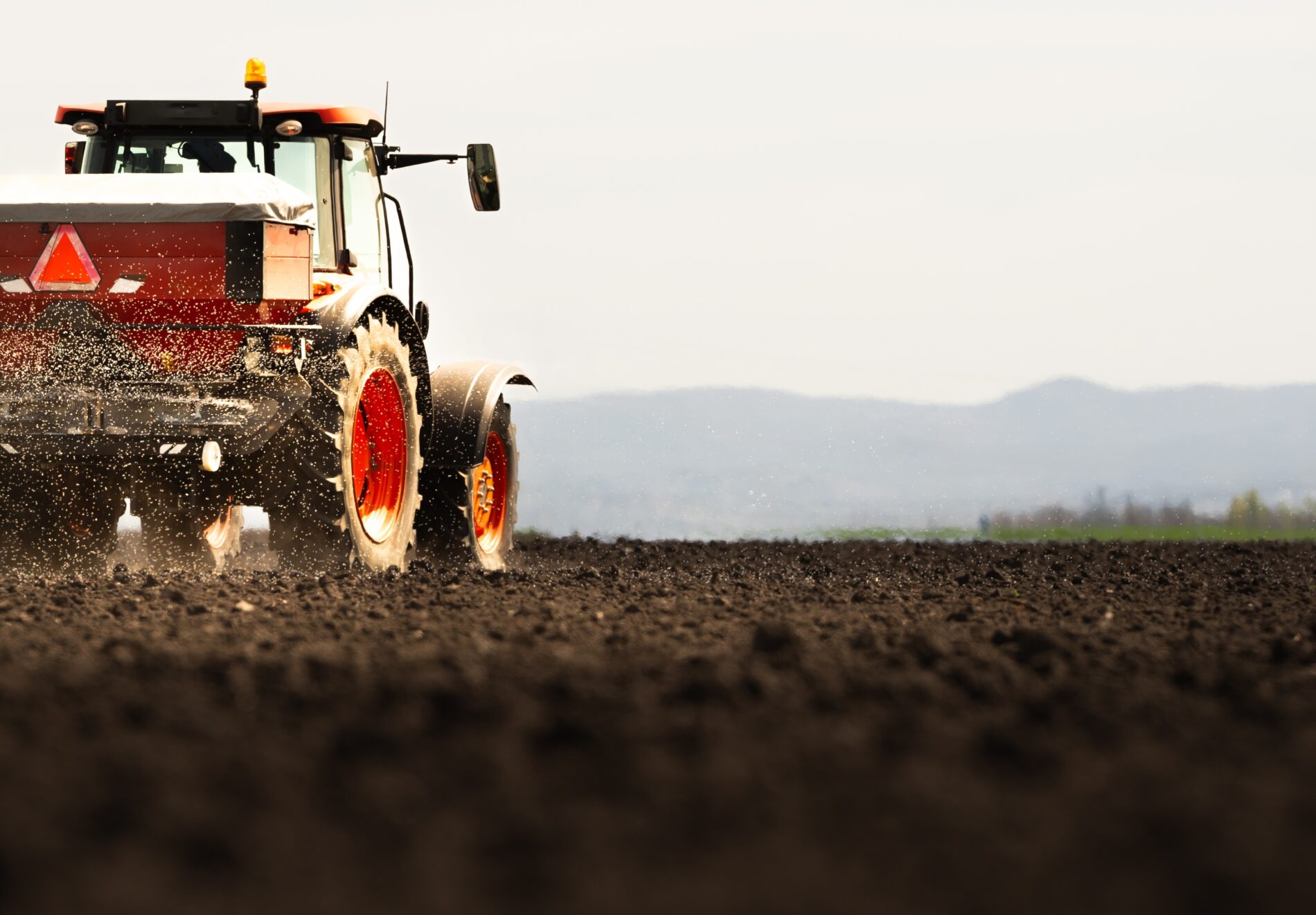
The war in Iran has driven up fertilizer prices because countries in the Gulf region are key suppliers. Nearly a quarter of the world’s ammonia and sulfur, and one-third of its urea, are produced there. Consequently, the EU is discussing a range of support measures—including the abolition of European tariffs on fertilizers from all countries except Russia and Belarus, a proposal originally put forward even before the war began.
However, farmers’ associations are calling for even more extensive assistance—such as a comprehensive investment plan—”so that we can produce our own fertilizers here in Europe,” the head of the French farmers’ association told the news agency AFP. On Tuesday, around 130 farmers staged a demonstration outside the European Parliament in Strasbourg, where the Commission was presenting its plans.
Among the associations’ other demands is an exemption for fertilizers from a carbon border levy upon import into the EU. This fee is intended to ensure that manufacturers outside the EU pay for their carbon emissions just as those within the EU do—the latter being subject to the European carbon emissions trading system. However, the Commission has so far rejected such an exemption.
AFP translated by Blackout News