
Austria has brought a new gas field into operation in Wittau, near Vienna. The operator, OMV, is developing the largest domestic gas discovery in approximately 40 years at this site. This launch coincides with a shifting supply landscape, as Russian deliveries ceased at the end of 2024 and transit via Ukraine came to an end in early 2025. Consequently, Austria is increasingly sourcing its gas from Germany, Italy, Norway, and international LNG markets. Households, industry, and the heating sector could receive a greater share of domestically produced gas thanks to this new discovery. (ntv: 18.05.26)
Wittau Gas Field Boosts Domestic Production
The deposit is located at a depth of approximately 5,000 meters. OMV estimates the recoverable resources at around 48 terawatt-hours. Furthermore, the discovery corresponds to approximately 28 million barrels of oil equivalent.
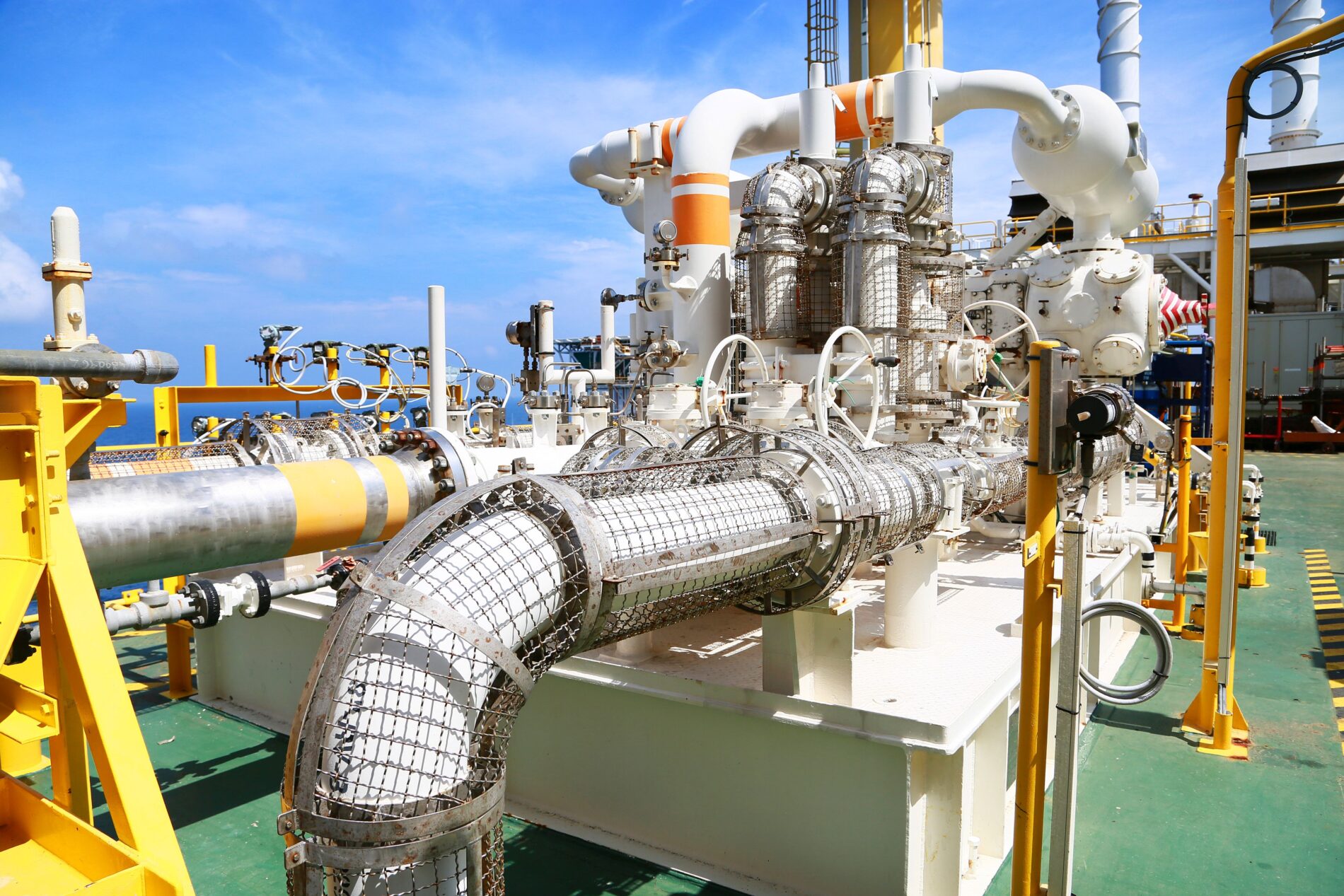
To date, Austria produces only about seven percent of its own gas requirements. However, once fully developed, the new gas field could double this share. Consequently, the project holds political significance extending beyond mere extraction.
Loss of Russian Supply Reshapes Austria’s Energy Landscape
In the initial phase, domestic gas production is projected to increase by approximately 50 percent. Moreover, the gas is expected to be available as early as the winter of 2026/2027—precisely the time when consumption typically reaches its peak.
Austria previously sourced a very large proportion of its natural gas from Russia; at times, this share stood as high as 90 percent. However, these supplies ceased abruptly at the end of 2024.
New Routes Offer Only Partial Risk Mitigation
The situation deteriorated further in early 2025, when the gas transit route through Ukraine became unavailable. As a result, Austria must now rely more heavily on alternative channels to secure its supply.
Today, gas enters the country primarily via Germany and Italy. These supplies include deliveries from Norway as well as liquefied natural gas (LNG) from international markets. While this supply structure helps mitigate risks associated with over-reliance on a single source, it simultaneously increases dependence on specific trading hubs and transport routes.
Domestic Gas Buys Time, But Offers No Solution
The gas field can provide short-term relief for Austria. It reduces pressure on imports and bolsters supply during times of crisis. At the same time, natural gas remains a fossil fuel.
OMV sees no contradiction in this regarding the energy transition. However, the corporation emphasizes the role of gas as a transitional solution. Policymakers and the business sector aim to secure supply reliability through this measure while the expansion of renewable energies continues.
Domestic Production Shifts the Pressure onto Energy Policy
For Germany, the Austrian case highlights a similar vulnerability. Germany, too, meets only a small fraction of its gas demand through domestic production. Consequently, dependence on imports remains high in both countries.
The gas field near Vienna improves Austria’s starting position. However, it does not create complete independence. Furthermore, it does not serve as a substitute for a strategy aimed at reducing gas consumption.