
Following an in-house trade fair hosted by the mechanical engineering firm Trumpf, CEO Nicola Leibinger-Kammüller has warned of a severe worsening of Germany’s economic crisis. Around 2,000 business leaders gathered at the event, where the mood was weighed down by high energy prices, inflation, a sluggish economy, rampant bureaucracy, pressure from Chinese exports, and uncertain relations with the USA. Moreover, insolvency rates are on the rise, while successful corporate bailouts are becoming increasingly rare. The sectors hit hardest are small and medium-sized enterprises (SMEs), retail, construction, logistics, and the hospitality industry. However, the central risk factor lies in the loss of confidence in the current government; investors are increasingly casting doubt on Germany as a business location. (merkur: 15.05.26)
Trumpf CEO Sees Industrial Base at Risk
Leibinger-Kammüller describes a mood of severity she has never witnessed before. Many business leaders see virtually no room left for investment. Moreover, growing concerns persist that Germany is losing its industrial strength.
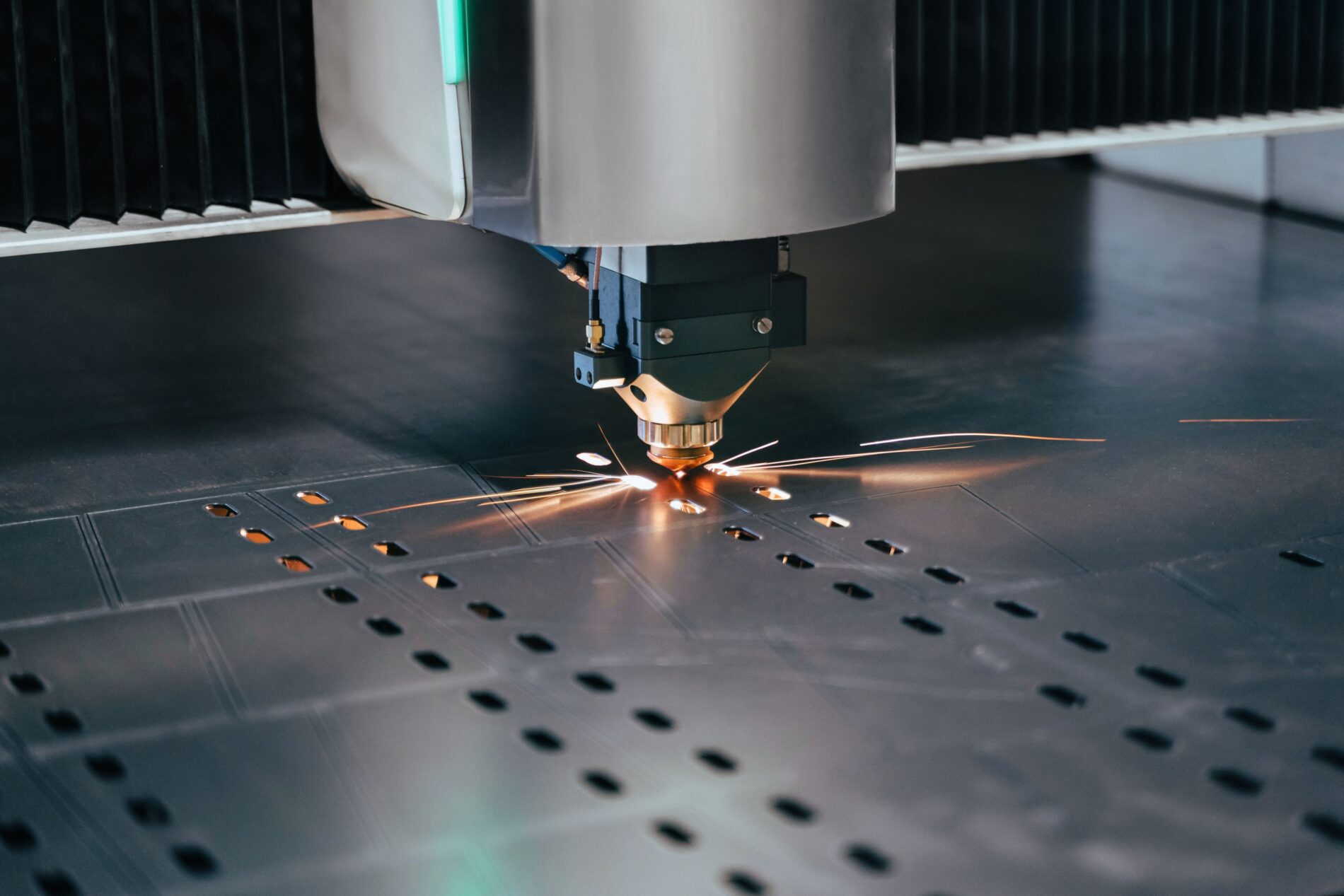
Her assessment therefore carries significant weight. Trumpf is regarded as a globally prominent mechanical engineering firm. Order intake is improving, and the laser business—particularly for the semiconductor industry—is performing well. Precisely for this reason, her warning does not come across as a mere complaint from a struggling sector.
Insolvencies on the Rise; Rescues Becoming More Difficult
However, the company CEO describes the current situation as an extraordinary burden. “I have never seen so many frustrated entrepreneurs gathered in one place,” she remarked. Furthermore, with the statement—”Compared to this, the coronavirus pandemic was nothing”—she underscored just how deep-seated the current uncertainty runs.
Official statistics also highlight the gravity of the situation. In 2024, the Federal Statistical Office reported 21,812 corporate insolvencies. This marked the highest figure recorded since 2015. Moreover, in August 2025, the number of insolvencies stood 12.2 percent higher than in the corresponding month of the previous year.
SMEs Suffer from Costs, Bureaucracy, and Capital Shortages
The crisis is hitting several labor-intensive sectors particularly hard. The transport and warehousing sector recorded 10.1 insolvencies per 10,000 companies. The construction industry saw 8.9 cases, while the hospitality sector stood at 8.2 cases. Furthermore, the likelihood of successfully rescuing distressed companies is diminishing.
Just four years ago, two out of every three insolvent companies were still able to find a buyer or a solution that allowed for continued operations. Today, according to data from Falkensteg, this is achieved by fewer than half. Consequently, jobs, supply chains, and regional business locations are losing their stability at an accelerated pace.
Federal Government Urged to Accelerate Reforms
Many small and medium-sized enterprises cannot simply relocate their production abroad. They bear the burden of high energy prices, rising financing costs, and additional regulatory requirements. Moreover, they often lack the capital needed for automation and digitalization. Trumpf serves as a prime example of an industry that is globally competitive but requires stable framework conditions domestically.
Leibinger-Kammüller therefore calls for a clear prioritization of economic policy objectives. She criticizes blanket relief measures—such as fuel rebates, rent caps, or the “mothers’ pension”—as a “scattergun approach.” Instead, she demands reforms in the areas of pensions, digitalization, and artificial intelligence. Her appeal regarding AI is particularly emphatic: “AI, AI, AI! If we don’t grasp this, we’re finished.”