
The Karlsruhe district association of the German Red Cross (DRK) filed for insolvency under self-administration on November 20, 2026. Rising energy, personnel, vehicle and material costs have pushed the aid organisation into financial difficulties. However, reimbursement rates for its services have failed to keep pace with rising expenditure. Around 630 employees are affected, with insolvency benefits expected to cover their salaries until the end of January 2027. Emergency medical services, patient transport and emergency call services are expected to continue without restrictions. The proceedings do not affect the nearly 90 legally independent local associations.
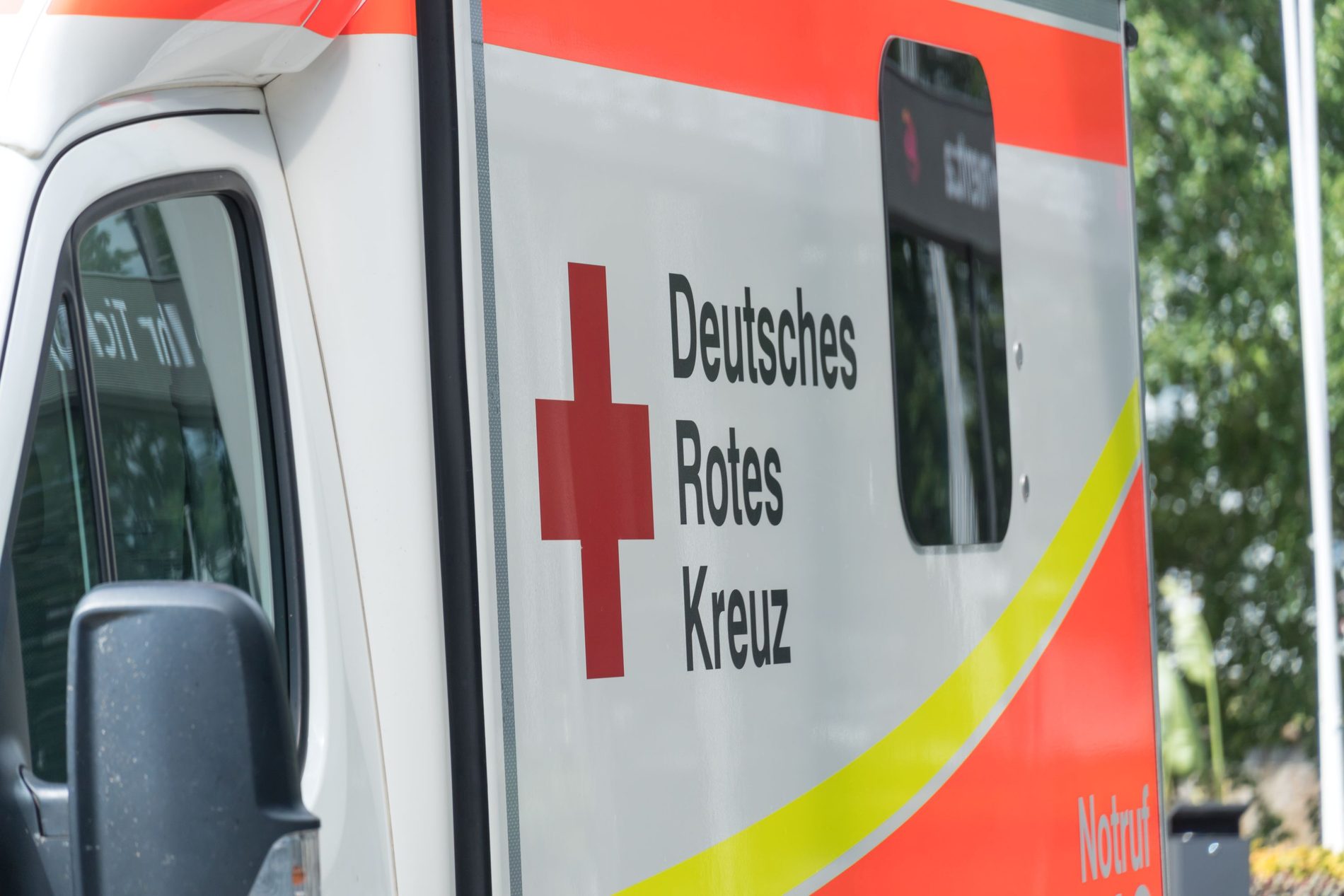
Image: Shutterstock
German Red Cross insolvency highlights rising emergency service costs
The economic crisis has now reached a particularly sensitive area of Germany’s essential public services. While industrial companies can reduce production, emergency medical services must remain operational around the clock. Vehicles, medical equipment, heated ambulance stations and qualified personnel generate substantial running costs. Opportunities to reduce expenditure are therefore limited.
Furthermore, the German Red Cross cannot simply pass higher costs on to patients. Its funding relies on reimbursements from social insurance providers, subsidies and donations. In Baden-Württemberg, individual district associations negotiate reimbursement rates with health insurance providers. When operating costs rise faster than agreed payments, funding gaps emerge. The Karlsruhe district association identifies this development as a major cause of its insolvency.
Employees face potential losses on overtime payments
The German trade union ver.di has criticised cost-cutting policies in the country’s healthcare system. According to the union, some employees have accumulated several hundred hours of overtime. However, they may receive only a fraction of their original entitlement. Consequently, employees who have helped maintain essential services could face substantial financial losses.
Employment contracts initially remain unchanged. From February 2027, however, the German Red Cross must once again finance personnel costs through its own operations. The district association has not yet announced any specific job cuts. Whether the restructuring programme can permanently protect all jobs remains uncertain.
Emergency medical services require sustainable funding
With support from restructuring specialists at Schultze & Braun, the existing management intends to restore the district association’s financial stability. Self-administration allows management to continue operating under judicial supervision. The insolvency proceedings initially provide financial breathing room. However, they do not automatically resolve the structural deficiencies in service funding.
Financing operational readiness is particularly important for emergency medical services. Personnel, vehicles and facilities generate costs even when no emergency calls occur. Furthermore, sufficient resources must remain available for exceptional events and major emergencies. Funding policies focused exclusively on short-term savings could therefore undermine the long-term reliability of emergency medical services.
Economic crisis reaches Germany’s essential public services
The insolvency in Karlsruhe follows a series of financial difficulties across Germany’s healthcare sector. Numerous hospitals already face rising energy and personnel costs alongside insufficient revenues. Meanwhile, health insurance contributions continue to increase, yet even non-profit healthcare providers face existential financial problems. Higher contributions apparently offer no guarantee of a financially sustainable healthcare system.
This development is particularly concerning given Germany’s civil protection requirements. The country needs reliable aid organisations not only for everyday medical emergencies but also for disasters and prolonged infrastructure failures. However, this requires financial stability, sufficient personnel and functioning infrastructure. Successfully restructuring the Karlsruhe district association therefore depends on securing revenues that cover all necessary operating expenses.
Author: Blackout News
Sources: SWR (23.11.26) – KPB Insolvency Law (23.11.26) – Karlsruhe Insider (22.11.26) – Tagesschau (21.11.26) – Die neue Welle (20.11.26)
Read also:
- Bremen hospital group plans to cut 500 jobs due to the threat of insolvency
- Hospital crisis: Hospital chief sees around 500 facilities at economic risk
- Wave of hospital bankruptcies: Chief physician warns of “uncontrolled collapse of the system”
- Hospitals in Distress: Flawed Funding Model Drives Hospitals into Crisis