
In the ongoing collective bargaining dispute within the metalworking industry, the Mechanical Engineering Industry Association (VDMA) has called on the trade union IG Metall to move away from the 35-hour workweek. “We can no longer afford the 35-hour workweek, as it has become too costly in terms of international competition, leading to a widespread loss of industrial jobs,” VDMA President Bertram Kawlath told the Augsburger Allgemeine (Tuesday edition).
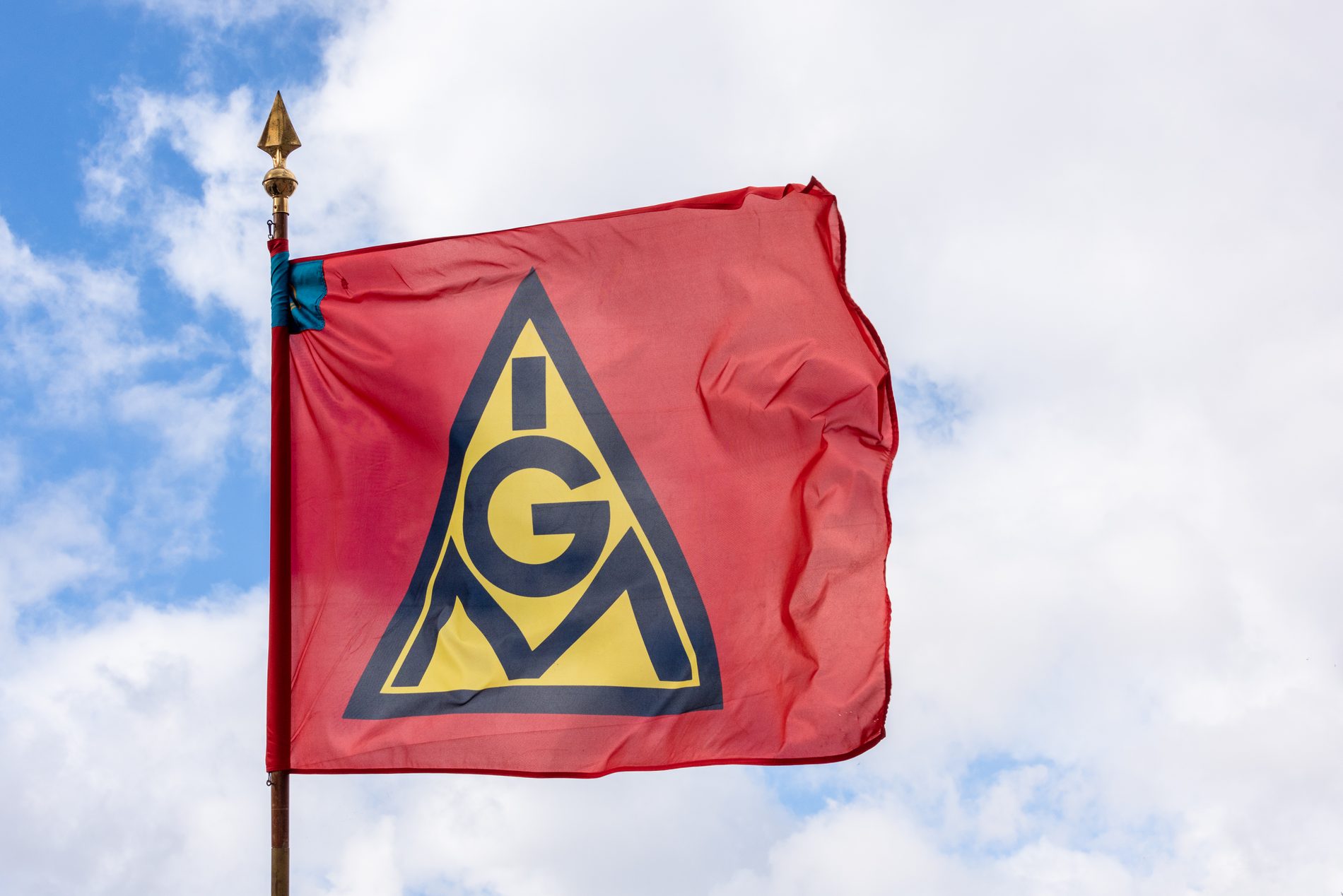
Image: Shutterstock
Germany is facing “an unfortunate mix,” said Kawlath. “We work too inflexibly, we don’t work enough, and we are too expensive,” the association head stated. “I also want to warn against an excessive wage agreement in the current round of collective bargaining for the metalworking industry.”
According to Kawlath, just one additional hour of work per week would boost real gross domestic product by 1.5 percent over the next five years. He emphasized that the mechanical and plant engineering sector is Germany’s largest industrial employer. However, the number of people employed in companies with more than 50 staff members has fallen below one million. This trend is not irreversible, he noted. “We could once again employ more than a million people,” said the VDMA chief—but doing so would require reforms and greater growth.
Collective bargaining negotiations at Volkswagen are set to begin in Emden on Tuesday. Citing the company’s ongoing crisis, the automaker terminated its collective agreements at the end of September, effective at the close of the year. The company is now seeking to relax the 35-hour workweek, proposing that weekly working hours be adjusted based on operational capacity—”without additional compensation for increases, and with proportional pay adjustments for decreases.” For 2027 and 2028, VW is seeking a wage freeze, with the elimination of existing collectively agreed-upon bonuses. The corporation pointed to “significant cost pressure” as the reason for these demands.
Author: AFP – kas/mm – Translated by Blackout News
Sources: AFP Press Portal