
Paris, August 14, 2026: France’s Constitutional Council has blocked the core provisions of the ban on social media use for those under the age of 15. Legislators had sought to protect minors from the harmful effects of social networks; however, doing so would have required access controls for all users, as adults would also have been obliged to verify their age before gaining access. The court found that there were insufficient legal safeguards and objected to the infringement on freedom of communication and expression. President Emmanuel Macron nevertheless intends to have the legislation revised. The ruling also impacts the debate within the EU, as Brussels is currently preparing its own age restrictions and is already expanding the technical infrastructure for age verification.
Access controls inevitably affect adults as well
France’s parliament had only given final approval to the ban on July 21. Under-15s were to be barred from using social networks, meaning platforms would have been required to reliably verify their users’ ages. While the Constitutional Council accepted the protection of minors as a legitimate objective in principle, the court deemed the specific regulation excessive because it required age verification for all users.
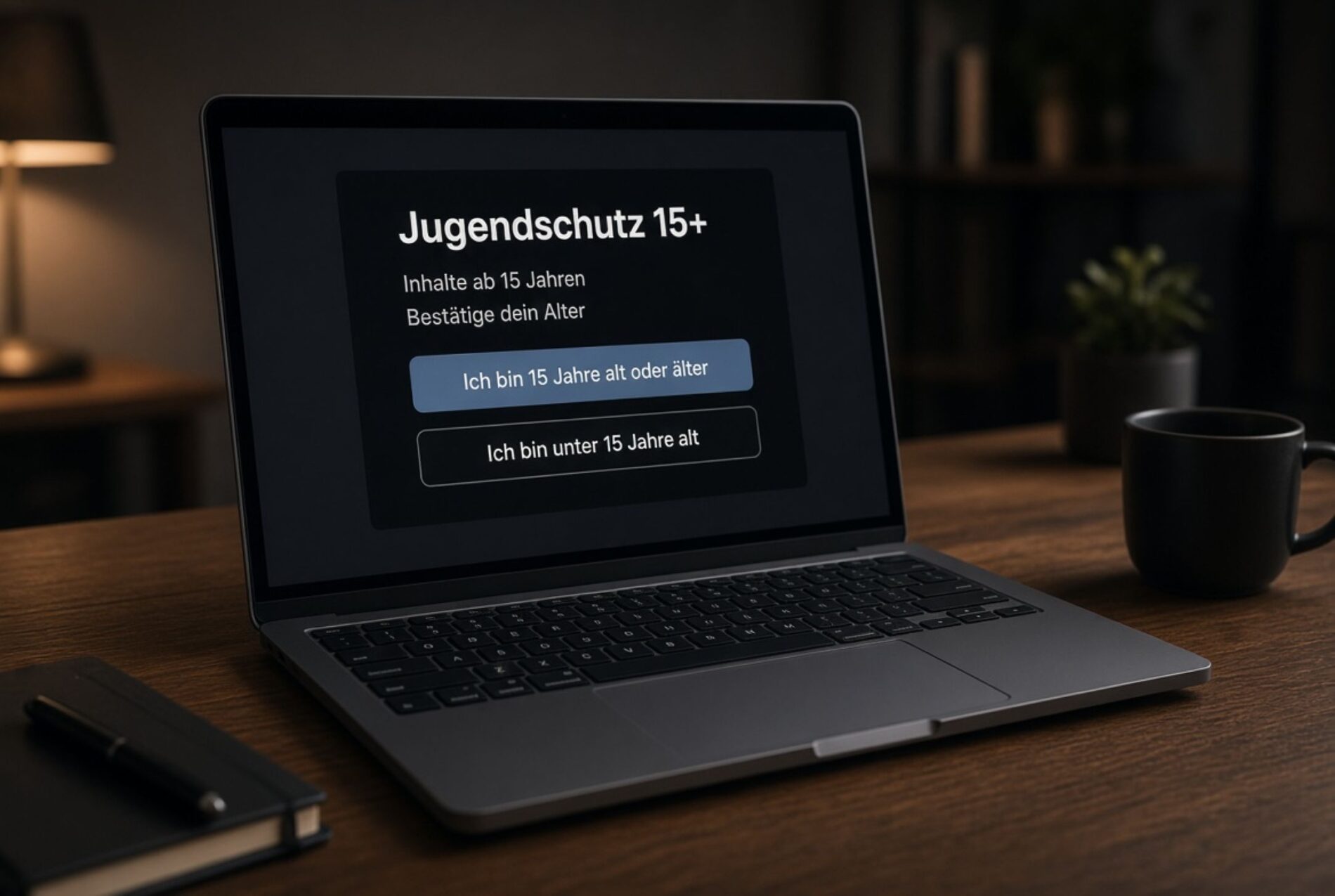
Representative image: AI-generated
Consequently, the constitutional issue does not lie solely with the restriction imposed on minors. Access control comes into play at an earlier stage, as adults must also prove their eligibility to use the service. It was precisely this mechanism that the French law failed to sufficiently limit; in the view of the Constitutional Council, this resulted in a lack of crucial legal safeguards. Thus, the state cannot simply mandate an age limit and subsequently leave the technical implementation to the platforms.
Brussels plans age limits for minors and is already developing the necessary technology
For the EU, the ruling comes at a delicate moment. In July, Commission President Ursula von der Leyen announced further restrictions on social networks across all 27 member states. An expert panel recommends a tiered access system based on age: children under 13 should use social media only to a limited extent and under supervision. Furthermore, the Commission intends to present a more concrete proposal after the summer. At the same time, the European Parliament is calling for an EU-wide threshold of 16 years, with parental consent sufficing for those aged 13 to 16; under this position, no access would be permitted for those under 13.
However, the technical infrastructure is being developed even before a binding EU regulation is in place. The Commission is set to complete the technical development of its age verification solution by April 2026. Initially, it is intended to facilitate checks such as “over 18” verification for services subject to legal age restrictions. However, the Commission states that the system can explicitly be adapted for other age thresholds, such as 13. Users would verify their age using methods such as an ID card, electronic identity verification, or other confirmed sources of identity. The platform would then only be informed whether the required age threshold has been met. Thus, the technical foundation for Europe-wide access control already exists, even as debates regarding its political scope continue.
French Ruling Strikes at the Heart of EU Strategy
The ruling from Paris is not legally binding on EU institutions. Nevertheless, the fundamental problem identified in France is not limited to that country alone. EU law also protects freedom of expression and the right to information. Furthermore, any restrictions must be established by law and be proportionate. Consequently, privacy-friendly technology offers only a partial solution to this issue. Even if a platform collects neither names nor dates of birth, proof of age remains a prerequisite for accessing a communication service.
While Brussels points to zero-knowledge protocols and implementation methods that minimize data collection, mandatory age verification fundamentally alters the way users currently access the open internet. A user would first have to demonstrate that they belong to an authorized age group. France’s Constitutional Council has now demonstrated that this specific step can constitute an infringement of fundamental rights in its own right. Therefore, it is not enough for the EU merely to guarantee the technical anonymity of the verification process; it must also justify which services require age verification and which users should be subject to it. The French ruling is thus likely to significantly raise the bar for blanket European age limits, even if Brussels proceeds with its plans.
Author: Blackout News
Sources: Politico (14.08.26) – Reuters (14.08.26) – European Commission (Stand: 14.08.26) – Reuters (13.07.26)