
Just days after the introduction of the new fuel tax rebate, some gas stations in Germany are running out of fuel. Reports of empty tanks or sold-out fuel grades have emerged from Lower Saxony, North Rhine-Westphalia, and Bavaria. Stations offering particularly low prices saw a surge in demand, while restocking efforts could not keep pace everywhere. Consequently, motorists in the Northeim district encountered blocked pumps over the weekend. However, the incidents reported so far point to localized supply bottlenecks rather than a widespread fuel shortage.
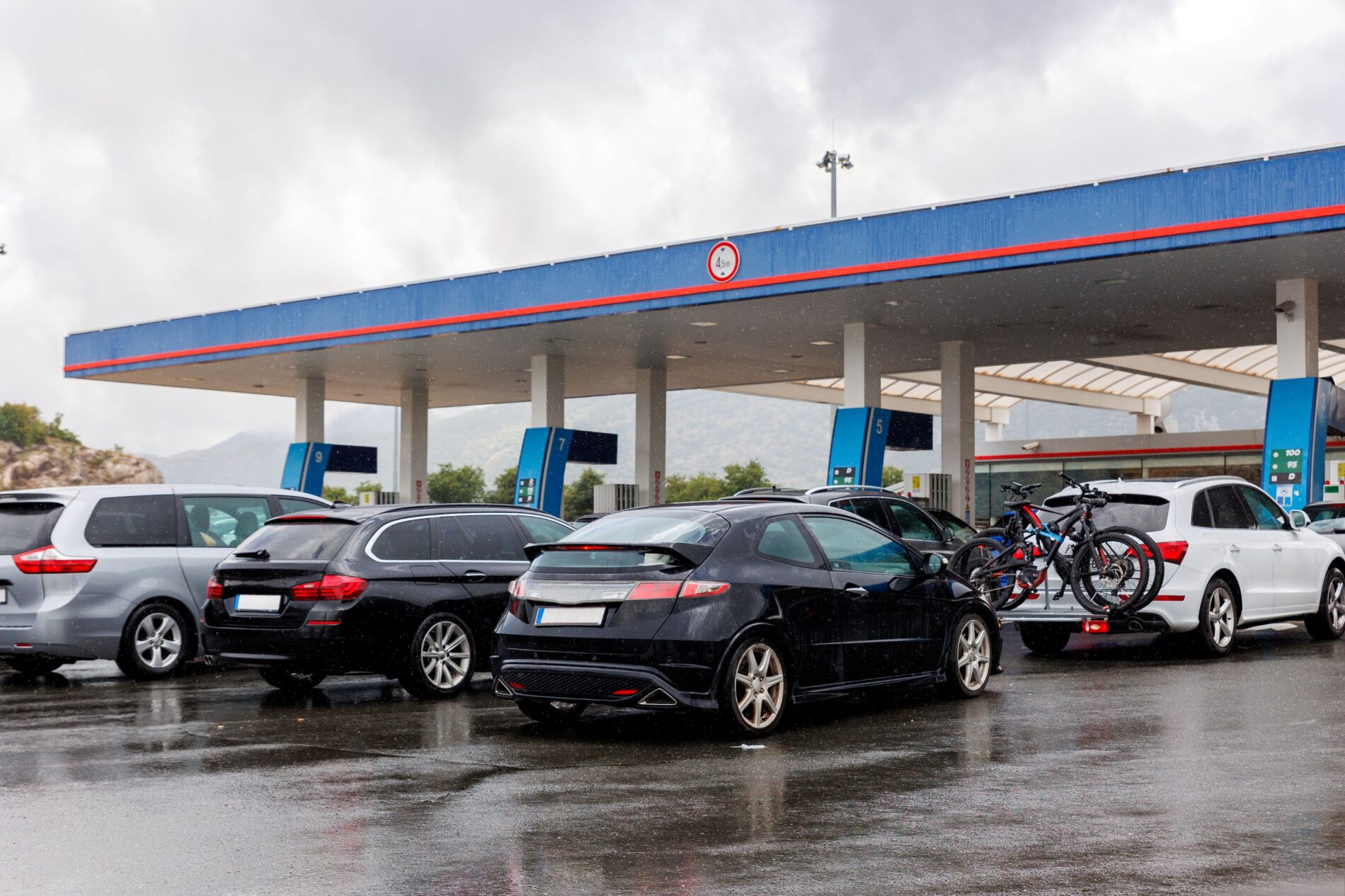
Image: Shutterstock
Fuel tax cut triggers surge in demand
The fuel tax cut has been in effect since October 1 and is initially scheduled to run until the end of the year. Energy taxes on petrol and diesel dropped by 14.04 cents per liter. Combined with the lower VAT, this results in a calculated saving of around 17 cents. However, the tax relief applies only to fuel leaving refineries and storage depots from the effective date onwards. This created an additional logistical “cutoff effect” at the turn of the month.
At the same time, many motorists took advantage of the prices, which had initially dropped sharply. According to NDR, several service stations in Dannenberg, Lüneburg, and Bad Bevensen ran out of fuel briefly on the very first day, forcing drivers to wait for new deliveries. By mid-morning, the nationwide average price for Super E10 was 14.5 cents lower than the day before, while the price of diesel initially fell by 15.2 cents.
Fuel Discount: Pumps Run Dry in Several Regions
The situation intensified over the weekend in the Northeim district. In Hammenstedt, a Calpam service station stopped displaying fuel prices altogether. Meanwhile, the Esso station in Katlenburg blocked off all its pumps; according to an employee, no fuel was left. However, other stations in the district still had supplies of petrol and diesel.
Similar incidents have already occurred in North Rhine-Westphalia and Bavaria. In Bönen, E10 petrol sold out completely as early as September 30 following an early price reduction. A service station in Minden also reported a temporary lack of available fuel. In Hallstadt, near Bamberg, petrol cost just 1.99 euros when the discount began, but supplies ran out by around 10 a.m.
Local Supply Issues Rather Than Nationwide Fuel Shortage
So far, these cases primarily highlight a distribution problem. Very low prices draw many drivers to specific stations simultaneously, yet storage tanks have limited capacity. Tanker trucks cannot immediately compensate for such a sudden surge in demand everywhere. In the Northeim district, the situation was compounded by the fact that—according to one operator—no new deliveries arrived over the weekend. Consequently, high demand coincided with limited stocks and a break in deliveries.
There is currently no evidence to suggest a general fuel shortage. The Federal Association of Independent Service Stations (BFT) stated regarding North Rhine-Westphalia that there were no signs of an acute or foreseeable shortage. Nevertheless, the fuel discount once again reveals a problematic side effect of its “cutoff date” logic: many customers delay refuelling until the same timeframe and tend to flock to the cheapest providers. At the same time, prices are already rising again after the initial sharp drop. Further local shortages are therefore possible during periods of high demand, without Germany running out of fuel overall.
Author. Blackout News
Sources: HNA (05.10.26) – WA (02.10.26) – Fränkischer Tag (02.10.26) – NDR (02.10.26)