
In Germany, the wind power sector between 2020 and 2025 highlights a central problem of the energy transition. The installed capacity of onshore wind turbines rose by 25.2 percent, while actual electricity fed into the grid increased by only 1.2 percent. In absolute terms, this means: capacity grew by 14 gigawatts, yet electricity generation in 2025—at 106 terawatt-hours—remained almost at the level of 2020. Consequently, scientists no longer see a clear correlation between new capacity and additional wind-generated electricity. The identified causes include years with low wind speeds, competition from solar power, grid curtailments, suboptimal site locations, and wake effects. At the same time, policymakers are pushing for further expansion and supporting new installations through subsidies. However, this creates a growing cost risk for taxpayers, electricity consumers, and industry. (welt: 01.06.26)
Expansion Proceeds as Planned Despite Diminishing Returns
The Renewable Energy Sources Act continues to rely on fixed capacity targets. Wind power capacity is projected to rise from 84 gigawatts this year to 160 gigawatts by 2040. Concurrently, solar capacity is set to grow to 400 gigawatts. Consequently, policymakers primarily prioritize newly installed nominal capacity measured in gigawatts. However, actual electricity yield remains the decisive metric.
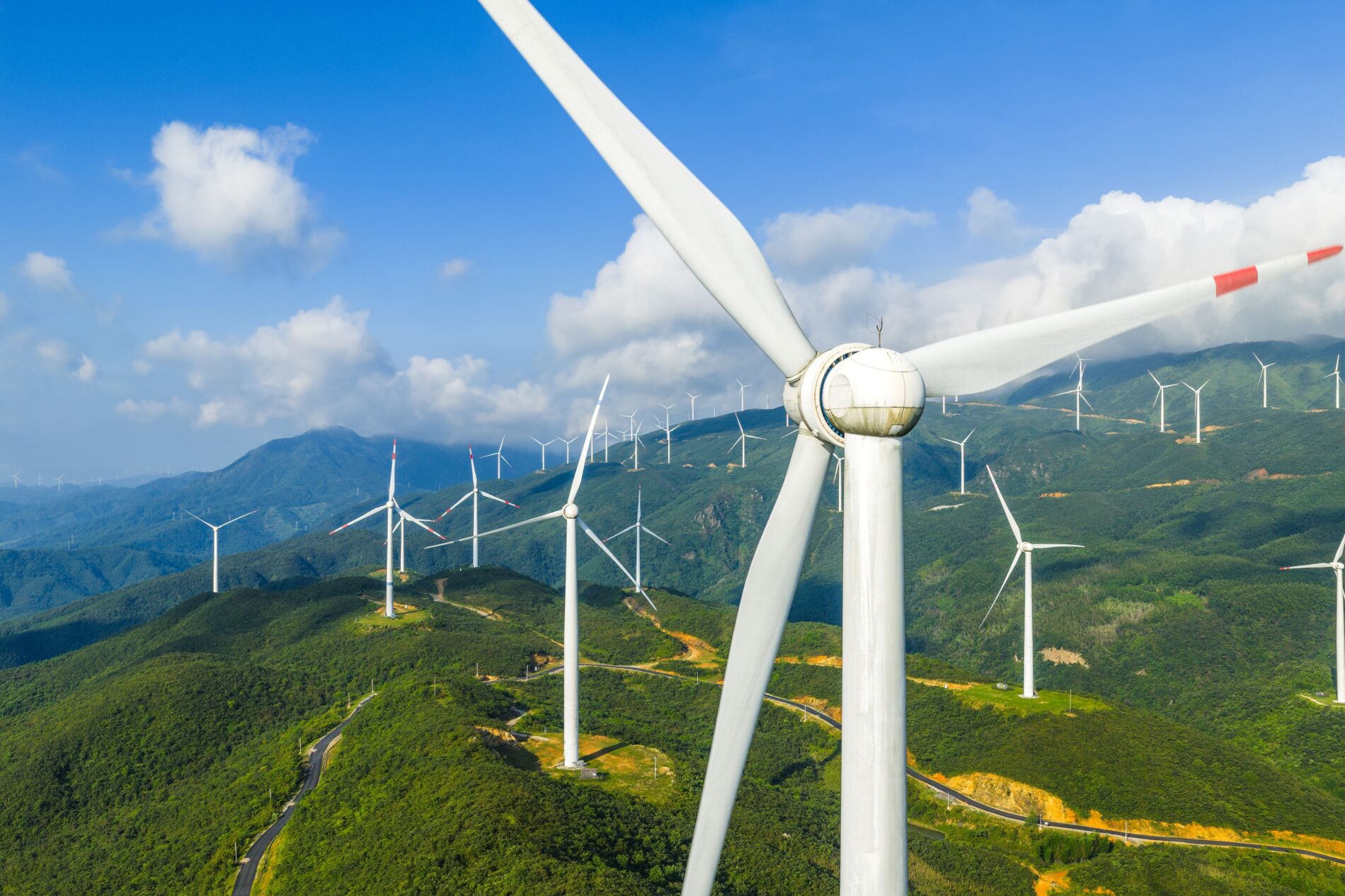
This logic falls short. Higher nominal capacity does not guarantee a reliable power supply at the right time. Wind turbines only generate electricity when weather conditions are favorable, grid capacity is available, and there is sufficient demand. Consequently, adding more technology can trigger high costs without commensurately enhancing supply security. Data collected since 2020 highlights precisely this discrepancy.
Solar Power Exacerbates Grid Strain
Since 2022, the solar boom has fundamentally altered the situation. Photovoltaic systems feed particularly large volumes of electricity into the grid—especially during the midday hours. At the same time, there is a shortage of adequate storage facilities, flexible consumers, and high-capacity transmission lines. As a result, solar power competes directly with wind power during specific hours. RWI researcher Manuel Frondel refers to this phenomenon as “cannibalization.”
The consequences impact the system both economically and technically. If regional grids are unable to absorb or transmit the electricity generated, grid operators are forced to temporarily curtail power input from wind farms. Operators thus lose revenue, while their eligibility for subsidies and their system-related costs remain unchanged. Consequently, the expansion of wind energy capacity does not automatically translate into a proportional increase in usable energy; instead, it can necessitate additional interventions within the power grid.
Low-Wind Sites Reduce Energy Yields
Another contributing factor lies in the selection of installation sites. Many wind-rich coastal areas have already been utilized or face significant political hurdles regarding development. Consequently, new wind turbines are increasingly being erected in inland regions. In these areas, wind speeds are generally lower and more erratic. As a result, the electricity yield per turbine is correspondingly lower.
The states of Bavaria and Baden-Württemberg exemplify this problem particularly clearly. In Bavaria, 76 percent of all wind turbines are situated at low-wind sites; in Baden-Württemberg, this figure stands at 51 percent. Nevertheless, various subsidy mechanisms continue to attract investors to these regions. While this leads to an increase in the sheer number of turbines, it does not yield a commensurate increase in actual energy output.
Subsidies Mask System Costs
Subsidies continue to bolster new projects. Through EEG auctions, operators secure predictable payment entitlements. For onshore wind power, the maximum rate in 2026 is set at 7.25 cents per kilowatt-hour. Since 2023, electricity consumers no longer pay for this support directly via the EEG surcharge; instead, funding now flows from the federal budget.
However, this does not make the costs disappear; it merely changes the route by which they reach the public. When new facilities generate little additional electricity, the cost per usable kilowatt-hour rises. Despite the diminishing marginal utility, this expansion remains a matter of political priority. This is precisely where the critical point of the energy transition lies.
“Wind Theft” Reveals the Limits of Large Wind Farms
Offshore wind farms, too, are encountering efficiency limits. Turbines in the front row extract energy from the facilities situated behind them. This phenomenon is known as “wind theft,” and it significantly reduces electricity production. Consequently, offshore operators are already engaged in disputes over compensation for damages.
Onshore, this effect is considered less well-documented. Nevertheless, high-density siting can reduce yields in these locations as well. Greater spacing between turbines would help, but it would require more land area. Thus, the conflict between energy targets, natural landscapes, and costs continues to intensify. The energy transition, therefore, requires less symbolic politics and more measurable electricity delivered at the right time.