
The European Commission intends to postpone the implementation of the methane regulation for oil, gas, and coal imports by one year. Consequently, the new oversight requirements are now set to take effect at the beginning of 2028 rather than 2027. This decision is driven by a strained energy supply, high prices, and supply disruptions resulting from the conflict involving Iran. At the same time, key supplier nations have warned against the creation of additional trade barriers. With this move, the EU aims to prevent new environmental regulations from jeopardizing further oil and gas shipments, thereby easing the procurement process for European energy providers and industrial companies.
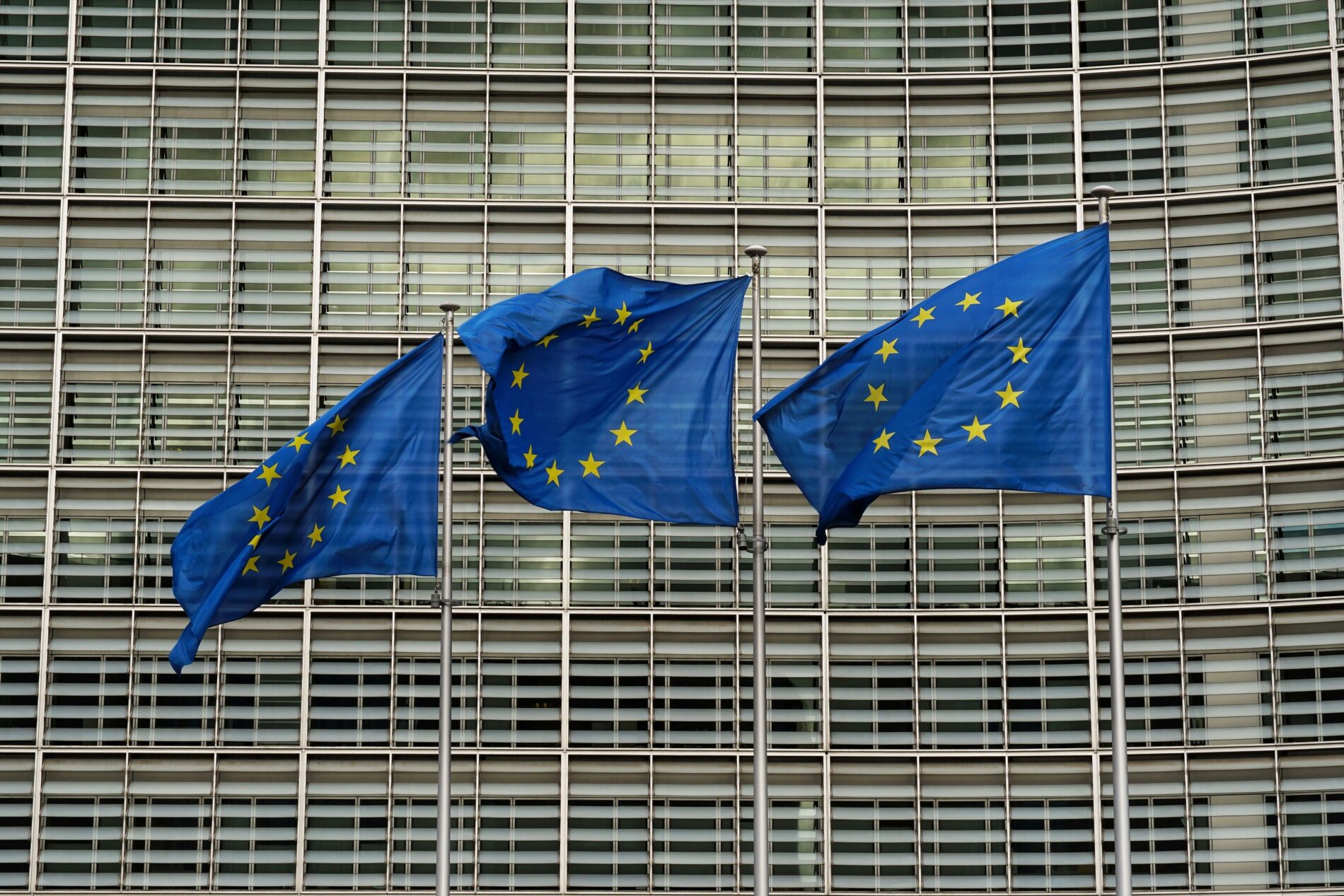
Image: Shutterstock
Methane Regulation Could Significantly Complicate Energy Imports
Existing regulations require foreign oil and gas suppliers to provide extensive documentation regarding their methane emissions. Companies are obligated to monitor and document these emissions and have them verified in accordance with EU standards. However, many international producers currently fail to meet these requirements. Consequently, importers fear legal complications and potential sanctions. In a worst-case scenario, suppliers might choose to sell their products to countries with less stringent regulations.
The situation is particularly critical regarding liquefied natural gas (LNG). The United States has become the European Union’s primary LNG supplier. As early as June, Washington warned of potential supply disruptions resulting from the new regulations. The US energy corporation ExxonMobil has also echoed these concerns. At a time when Europe requires additional gas supplies, bureaucratic requirements could hinder access to available volumes.
France and the US Push for Easing of Methane Regulation
French President Emmanuel Macron reached out to European Commission President Ursula von der Leyen as early as September. He warned of significant legal uncertainties for European energy importers and called for a postponement. Italy and the Czech Republic are also requesting more time for implementation. However, several governments believe that even the proposed twelve-month extension is insufficient.
The European Commission therefore views a one-year delay as a necessary compromise between security of supply and climate protection. Under the new timeline, importers would be required to demonstrate by May 31, 2029, that their supplies from 2028 meet the prescribed standards. The adjustment also includes reporting requirements regarding methane intensity for both importers and European producers. The existing climate targets are to remain unchanged. Nevertheless, the European Parliament and the member states must still approve the legislative amendment.
Energy Industry Seeks Three-Year Reprieve
The International Association of Oil & Gas Producers is requesting a three-year extension. The companies state that they require additional time to adjust their supply chains and reporting systems. Without the possibility of further extensions, the current situation could simply recur in twelve months’ time. Furthermore, industry representatives fear that international suppliers might opt out of doing business with European buyers to avoid the threat of penalties—a move that could unnecessarily restrict the EU’s energy supply.
Environmental organizations, by contrast, criticize the planned easing of the methane regulation. They argue that a postponement neither addresses the consequences of the conflict involving Iran nor increases the availability of fossil fuels. After carbon dioxide, methane is the largest contributor to human-caused global warming. The EU regulation, which has been in effect since 2024, is intended—among other things—to reduce leaks from extraction facilities and pipelines. As early as July, the European Commission had recommended temporarily refraining from imposing sanctions for certain types of violations. With this latest initiative, Brussels is now deferring additional mandatory obligations. For Europe’s energy supply, this primarily translates to greater flexibility in procurement, though it offers no guarantee of lower prices.
Author: Blackout News
Sources: Europäische Kommission (14.10.26) – Reuters (14.10.26) – Bloomberg (14.10.26)