
The European Union is currently buying more liquefied natural gas (LNG) from Russia, even though it actually wants to reduce its dependence. This is triggered by the tense situation on the global market, while new risks to key LNG routes are increasing. The Strait of Hormuz, in particular, is considered a critical factor because a large portion of global trade passes through it. This is driving up prices and simultaneously increasing concerns about supply. Against this backdrop, the CEO of the Italian energy company Eni is calling for a postponement of the planned sanctions against Russian LNG. Businesses, households, and industry in Europe will be affected, as higher costs and new shortages are looming. (berliner-zeitung: 13.04.26)
Postponing sanctions becomes the focus
The EU had declared phasing out Russian energy a political goal. Nevertheless, imports of Russian LNG are rising again because the market remains tight and alternatives are not available quickly enough. Therefore, the gap between ambition and reality is widening.
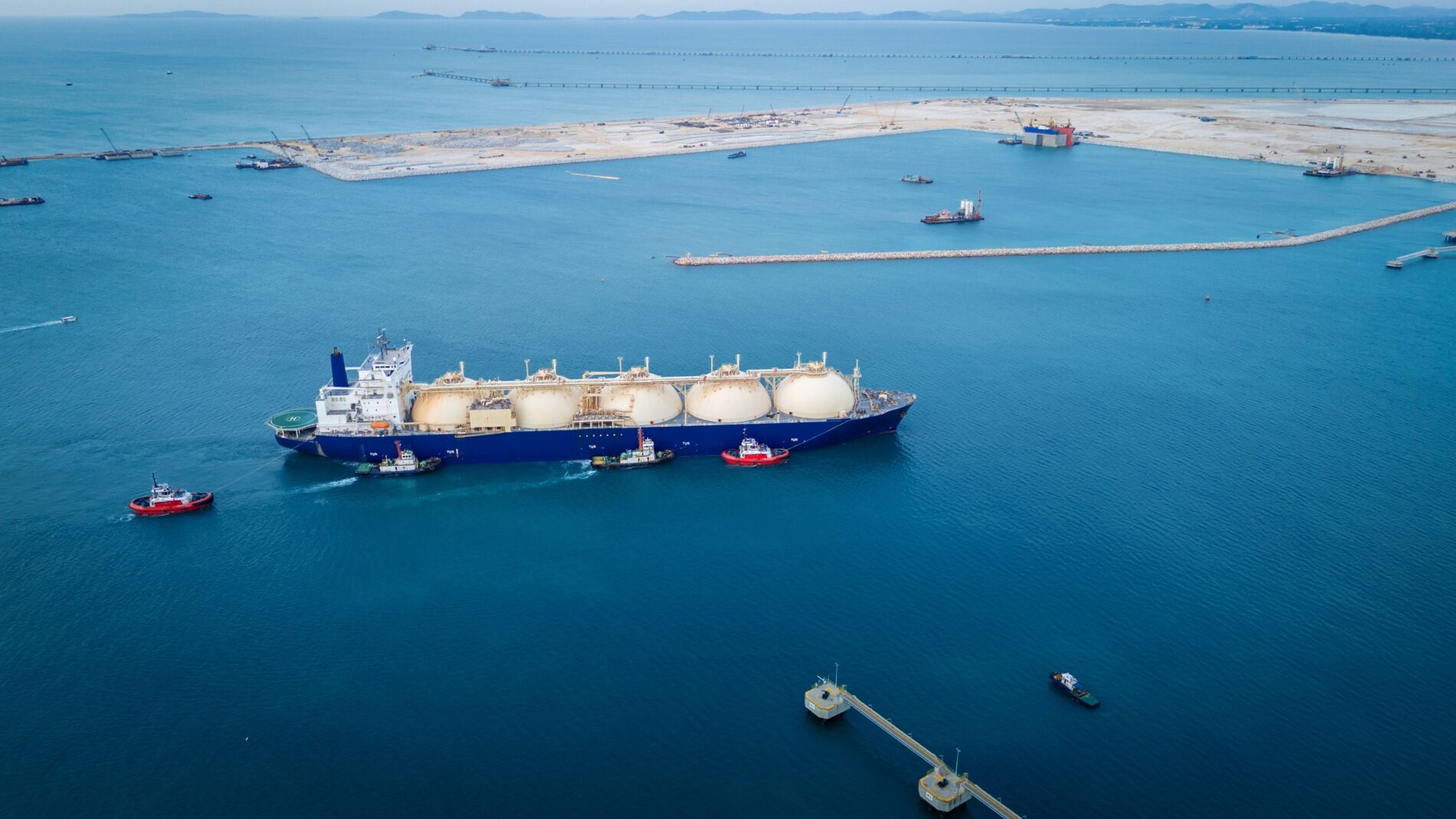
At the same time, geopolitical risks are exacerbating the situation. Even the threat of disruption in the Middle East is driving prices up, while Europe’s procurement system is coming under pressure. As a result, Russian LNG is regaining importance in the short term.
Security of supply overshadows political objectives
The CEO of Eni warns against a hasty import ban. He believes a postponement of the sanctions is necessary because Europe must not further jeopardize its supply in an already uncertain situation. This re-examines the question of the priority of security and strategy.
Furthermore, this development demonstrates how vulnerable the European energy market remains. If a key route is disrupted or restricted, large quantities quickly become scarce on the market. Therefore, traders and suppliers are already reacting to political tensions with higher prices.
Europe’s energy policy is caught in a conflict of objectives
The EU wants to become independent of Russian energy supplies in the long term. In the short term, however, it still needs large quantities of gas, while the global market remains volatile. This creates a significant conflict of objectives.
A further postponement of sanctions would reduce the risk of acute shortages, but would also prolong dependence on Russia. The situation therefore remains precarious for consumers and businesses in Europe. Any delay in sanctions could stabilize the market, but it could also dilute the EU’s political course.