
The EU is pressing ahead with its interim agreement with the Mercosur states, even as its free trade strategy encounters an increasing number of covert trade barriers. This situation is driven by a global economy in which nations utilize technical regulations, import licenses, and special requirements. In November 2025, the European Commission recorded a total of 410 non-tariff barriers across 67 countries. The suspension of the WTO Appellate Body since 2019 appears particularly critical; as a result, European companies face the threat of higher costs, lengthier customs procedures, and unstable supply chains. (theparliamentmagazin: 19.05.26)
Trade Barriers Hit Europe’s Industry
After nearly 25 years of negotiations, the Mercosur agreement is set to open up new markets. It links the EU with an economic area comprising around 700 million consumers. Furthermore, Brussels anticipates additional EU exports totaling 77.6 billion euros by 2040.
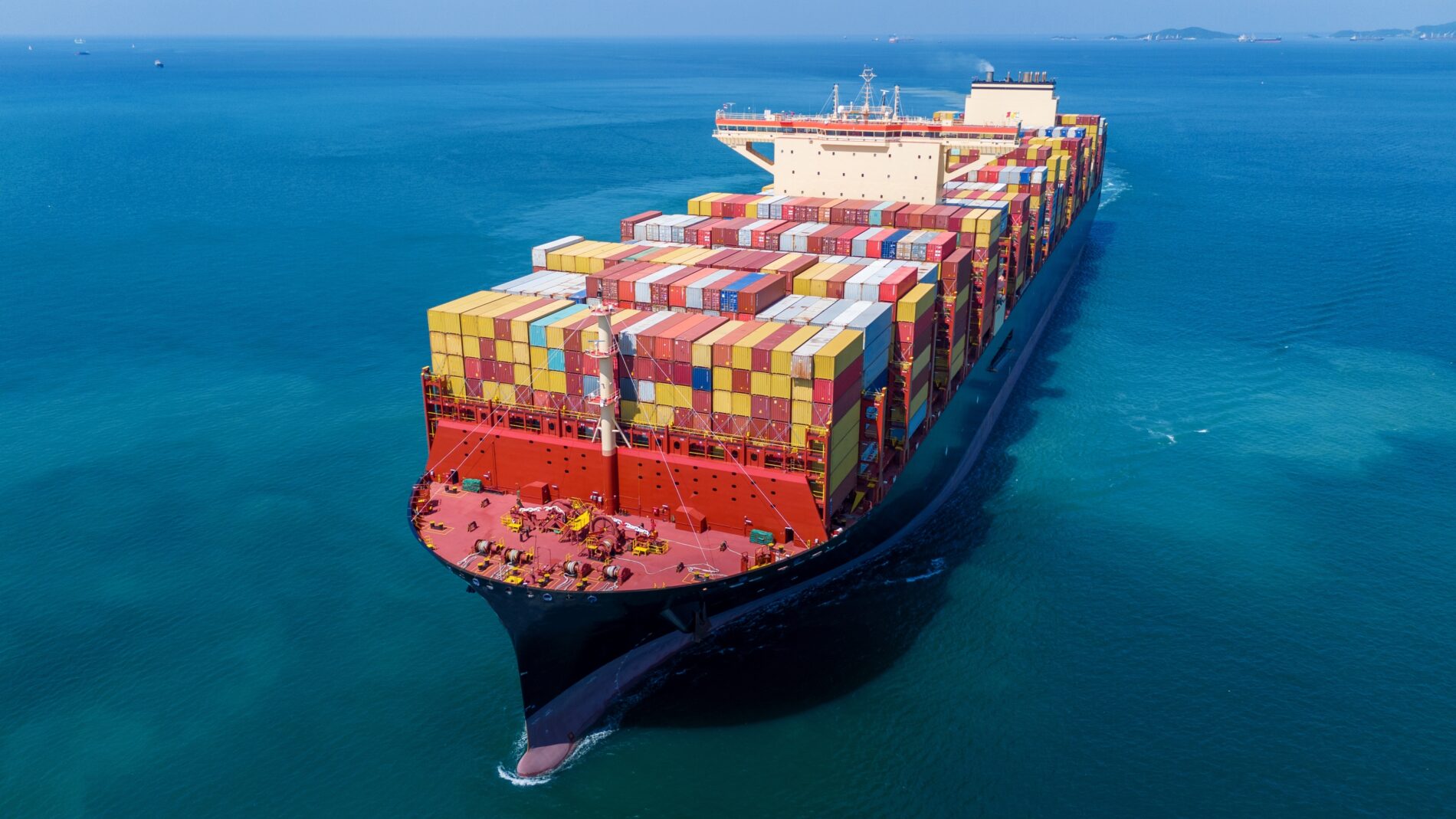
However, economic benefits do not depend solely on tariff reductions. Many nations hinder imports through technical specifications and special licensing requirements. Consequently, trade agreements lose their effectiveness if authorities subsequently restrict market access once again.
Free Trade Requires Protection Against Covert Barriers
The EU Commission has identified 93 instances in which ostensibly stricter standards place a burden on European suppliers. These regulations often impact imported goods more severely than domestically produced products. This results in additional inspection costs and longer processing times.
In addition, there are 79 questionable regulatory requirements. Furthermore, Brussels has documented 65 artificial restrictions placed on imported goods. Such interventions affect key sectors, including agriculture, energy, defense, security, and raw materials.
Brazil Illustrates the Problem with Particular Clarity
Brazil plays a central role in this conflict. The country currently maintains 18 specific non-tariff trade barriers. At the same time, the EU is a vital trading partner for Brazil, accounting for a 15.3 percent share of its total trade in goods.
However, European companies face a two-tiered licensing system. Applications processed automatically via SISCOMEX are typically cleared quickly. Conversely, non-automatic procedures require approval from the relevant government ministries.
Approvals Slow Down Supply Chains
Pharmaceutical manufacturers feel the repercussions particularly acutely. The Brazilian Ministry of Health has the authority to demand additional inspections. As a result, delivery schedules, inventory levels, and contractual deadlines are thrown into jeopardy.
Other sectors also incur higher administrative costs. Companies are required to submit supplementary documentation, monitor deadlines, and factor potential delays into their planning. Meanwhile, domestic suppliers stand to benefit as imported goods take longer to reach the market.
The EU Relies on Complaints and Targeted Pressure
The EU utilizes the “Single Entry Point” mechanism to enable companies to report trade barriers. Furthermore, the Market Access Partnership regularly coordinates measures with Member States and the business community. In this way, Brussels gathers concrete case studies rather than merely general complaints.
An example from Argentina illustrates the benefits of this approach. In that instance, an import certification requirement effectively favored domestically produced ceramic tiles over imported goods. Following discussions held in 2024, these requirements were abolished, resulting in savings of 16 million euros for EU exporters.
Supply Chains Become a Strategic Issue
For Europe, the stakes extend beyond mere export markets. Open trade routes are essential for securing access to intermediate goods, energy, agricultural products, and critical minerals. Consequently, reliable free trade is also a decisive factor in ensuring industrial resilience.
Member States have compelling reasons to ratify the Mercosur agreement. However, they must simultaneously take resolute action to combat the emergence of new trade barriers. Only then can free trade effectively safeguard European companies, consumers, and strategic interests.