
Brussels is planning a reform of the European Emissions Trading System for late May 2026, which is ostensibly intended to ease the burden on energy-intensive companies. The EU Commission aims to make more free CO₂ allowances available, but intends to link them to investments in climate-friendly technologies. This initiative impacts steelworks, chemical plants, cement manufacturers, metal processors, and foundries at a time characterized by high electricity prices, weak demand, and global competition. While Brussels frames this measure as a safeguard against the relocation of production, it fails to create any genuine financial headroom for these businesses. Consequently, the move threatens to impose new investment obligations, increase administrative burdens regarding compliance, and heighten risks for industrial sites across Europe. (handelsblatt: 29.05.26)
Emissions Trading Becomes a Political Steering Instrument
The Commission aims to prevent companies from receiving free allowances without upgrading their facilities. While this objective sounds logical, it ignores the reality facing many businesses. Many firms do not underinvest because they refuse to undertake upgrades; rather, they are grappling with electricity prices, low capacity utilization, and uncertain sales markets.
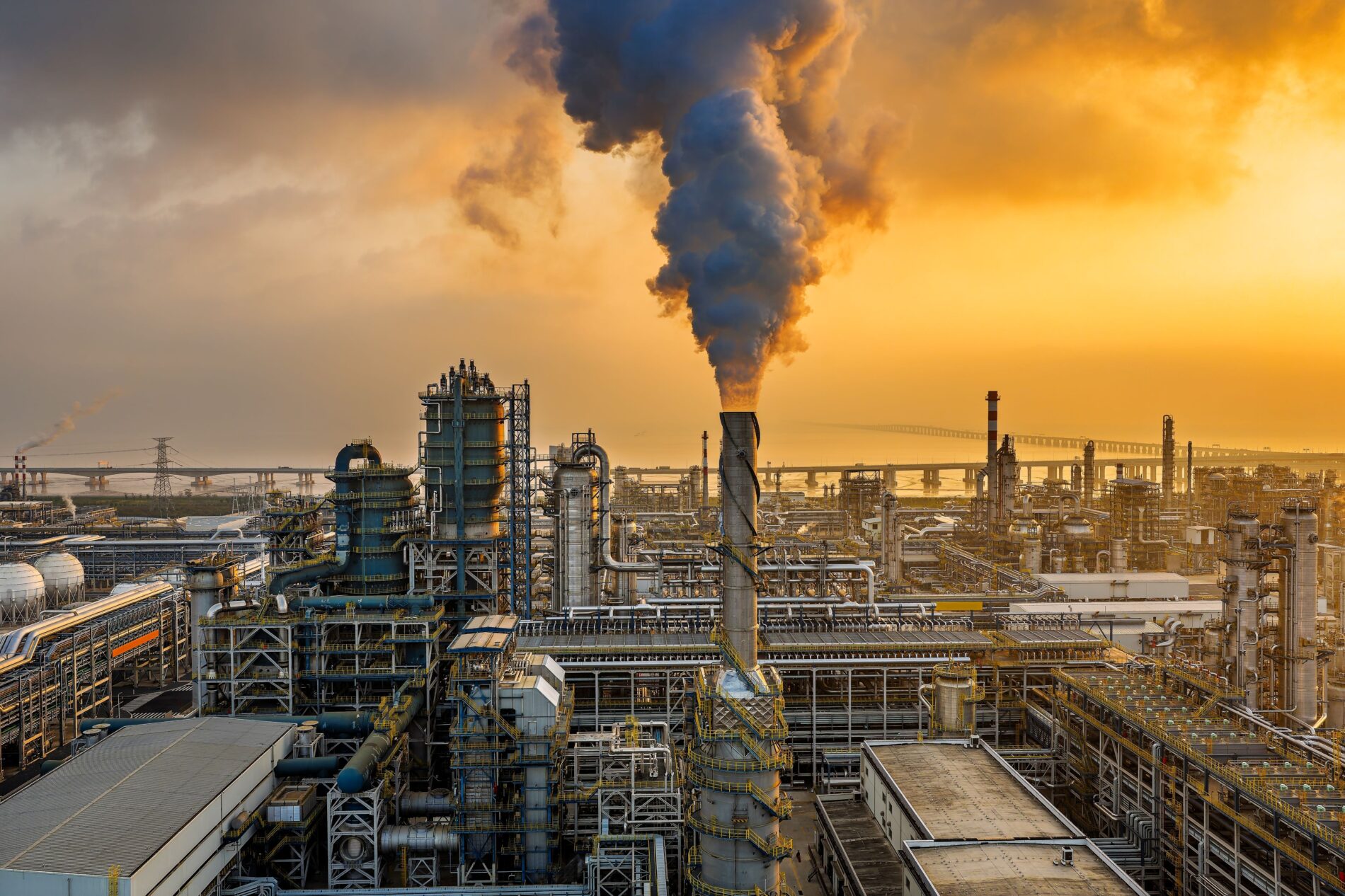
That is precisely why the plan fails to address the core problem. Genuine relief would lower costs and leave decision-making within the companies themselves. However, Brussels is tying this relief to politically desired expenditures. In doing so, the EU is replacing entrepreneurial freedom with regulatory mandates.
Costs Persist, Burdens Grow
The emissions trading system—based on tradable certificates—was originally intended to raise the cost of CO₂ and allow companies to find their own methods for reducing emissions. Now, however, Brussels is shifting the focus. What began as a market-based instrument is evolving into a system laden with additional conditions. Moreover, the influence of regulatory authorities on investments, technology choices, and project timelines is steadily increasing.
This poses a particularly grave threat to energy-intensive industries. Rather than receiving genuine assistance, they are merely subjected to a reallocation of costs tied to specific purposes. While competitors outside of Europe are often able to produce goods at lower costs, European companies are compelled to comply with an ever-growing list of regulatory requirements. Consequently, this reform exacerbates Europe’s competitive disadvantage as a business location, rather than alleviating it.
Electricity Prices Turn Transformation into a Cost Trap
Many climate-friendly industrial processes require vast quantities of electricity. Yet, this very electricity remains prohibitively expensive in both Germany and the rest of Europe. While a foundry may indeed be able to replace a fossil-fuel-fired furnace with an electric one, its competitiveness thereafter becomes even more heavily dependent on the price of electricity.
The emissions trading system fails to resolve this fundamental issue. The current reform places its emphasis on capital investment, while ongoing energy costs remain persistently high. Furthermore, many companies lack reliable long-term prospects for securing affordable industrial electricity. As a result, the modernization efforts currently being mandated could easily evolve into a perpetual financial burden.
Europe’s Industry Pays for Political Symbolism
For Germany, this plan carries particular explosive potential. Energy-intensive industries form the foundation of many value chains. If steel, chemicals, cement, or castings become more expensive, the impact is felt by the mechanical engineering, automotive, and construction sectors as well. Consequently, the burden does not end at the factory gate.
Brussels ought to prioritize securing affordable energy, expedited permitting processes, and reliable operating conditions. Instead, the EU is coupling supposed relief measures with new obligations. This erodes confidence, ties up capital, and intensifies the pressure on manufacturing plants within Europe. As a result, the plan does not resemble industrial policy; rather, it appears to be yet another step toward deindustrialization. (KOB)