
Following an extraordinary coalition committee meeting at Villa Borsig, the German government announced a temporary reduction in the energy tax on gasoline and diesel. The trigger was a sharp rise in fuel prices, which the coalition primarily attributes to the war in Iran, while the real reasons lie deeper, in high taxes, politically inflated energy costs, and weeks of wrangling over potential aid. The planned relief amounts to approximately 17 cents per liter (gross) for just two months, but the crucial risk factor remains: the government profits from high prices through taxes and value-added tax, while commuters, businesses, and ultimately almost all consumers foot the bill through increased transportation and everyday expenses.
Weeks of dithering before the minor adjustment
The coalition debated aid measures for days, but without a clear strategy. Options under consideration included commuter allowances, VAT reductions, fuel discounts, price caps, climate payments, and adjustments to the CO2 price. In the end, almost nothing remained, even though the burden at the pump had long been acute.
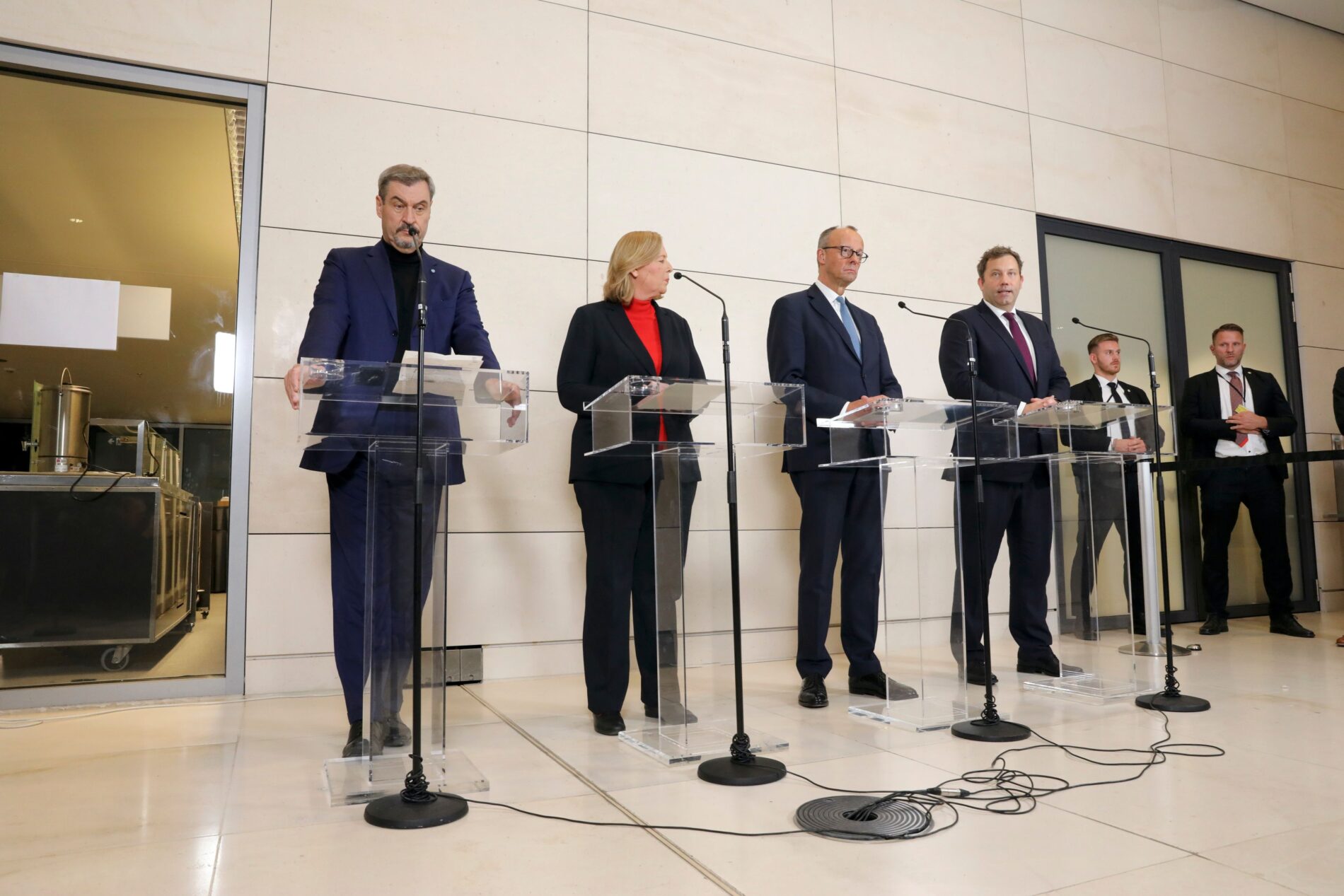
This is precisely what makes the current decision so vulnerable to criticism. The government is only reacting after significant public pressure. At the same time, the aid is so small and short-lived that it appears more like a political emergency measure than a serious intervention against high mobility costs.
Energy tax cuts briefly, but the state continues to collect
Chancellor Friedrich Merz announced a reduction in the tax on fuels by approximately 17 cents per liter. This figure is calculated gross, meaning it includes VAT. The actual reduction in the energy tax is therefore smaller, and the measure is also limited to just two months.
Even more serious, however, is the fiscal contradiction. While gasoline and diesel become more expensive, VAT revenue increases. The government is thus complaining about high prices, yet simultaneously profiting from every additional surcharge, making the impression of half-hearted relief difficult to refute.
High fuel prices affect far more than just drivers
The consequences don’t end at the gas station, but extend deep into everyday life. More expensive diesel increases the cost of supply chains, tradespeople’s journeys, care services, and deliveries. As a result, prices for food, building materials, parcels, and numerous services also rise.
This hits commuters and freight companies particularly hard, as their costs increase immediately, while aid is now arriving weeks late. Labor Minister Bärbel Bas estimated the cost of the fuel tax measures at €1.6 billion, while the government simultaneously promised a tax-free one-time payment of €1,000, which employers can pay out and claim as a tax deduction. However, this does not change the fact that the structural burden of high energy and mobility costs remains.
The coalition is also attempting to demonstrate its ability to act through antitrust law and further debates. But stricter regulations won’t lower the price per liter today, while the actual relief will only come after lengthy disputes and only temporarily. The bottom line is that the decision comes late, is small, and doesn’t solve the core problem: Politicians have allowed high energy prices for years and are now only making minimal adjustments, even though consumers and businesses should have received much greater relief long ago. (KOB)