
The president of the German Institute for Economic Research (DIW), Marcel Fratzscher, has criticized the German government’s energy price relief measures as “in some respects economically inefficient and socially unbalanced.” In a guest article for the “Fuldaer Zeitung” (Monday edition), he proposed instead a one-time energy cost allowance of €300 for all adults – linked to income tax. “People with low incomes would receive the full relief, while it would be partially reduced for those with high incomes,” Fratzscher writes.
“In times of crisis, it’s not just about the state acting, but about acting in a targeted and fair manner,” the economist explained. The planned tax-free one-off payment from employers, however, is not targeted effectively: “Those who work for large, financially strong companies have a good chance of receiving something. Those who are unemployed, students, retired, or work for small businesses may miss out entirely.” Particularly vulnerable groups would be insufficiently reached.
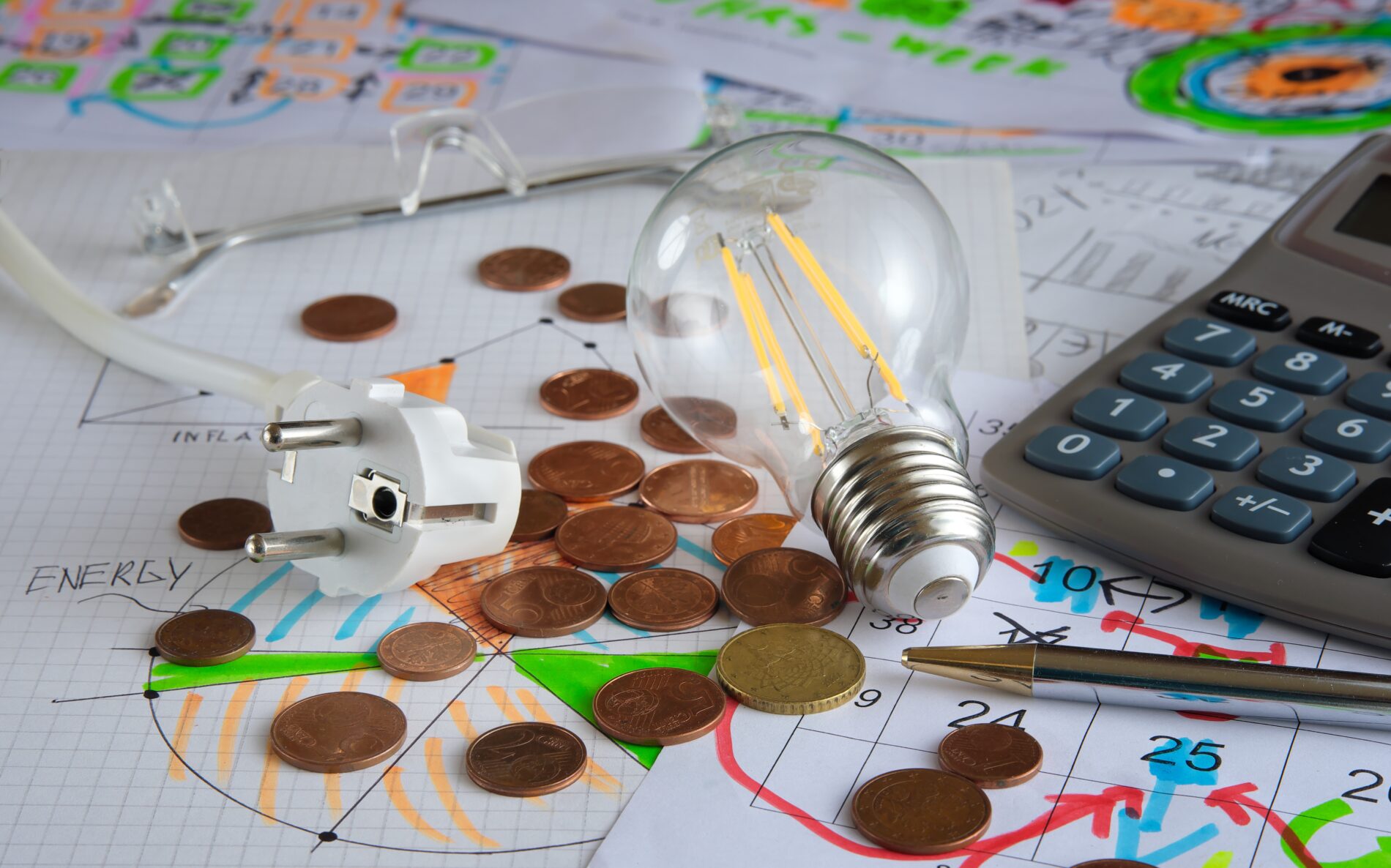
A one-time energy cost allowance of €300, linked to income tax, would be “socially balanced and administratively simple,” according to Fratzscher. “Most importantly, everyone could decide for themselves how to use the money: for fuel, heating, or more expensive groceries.”
This would need to be supplemented by a permanent climate allowance. Anyone who wants to implement climate protection politically must mitigate social hardship. “And anyone who wants to strengthen the middle class must provide targeted relief for low and middle incomes – not through blanket subsidies.”
The temporary reduction in energy tax on gasoline and diesel is “particularly problematic,” the economist criticized. Firstly, it is completely unclear how much of this relief will actually reach consumers. Secondly, this measure creates the wrong incentives. “If oil and gas are scarcer, then we as a society must reduce our consumption. This is not an ideological question, but a simple economic reality.”
AFP translated by Blackout News