
In Berlin, the dispute over the energy policy of the center-right/center-left coalition is escalating. According to information from government and coalition circles, the Finance Ministry, headed by Lars Klingbeil, is blocking several key energy laws proposed by Economics Minister Katherina Reiche, including the Building Modernization Act, the power plant strategy, the amendment to the Renewable Energy Sources Act (EEG), and the grid package. The trigger is the conflict over the future course of the energy transition, as the Social Democrats (SPD) see risks to the expansion of renewable energy, while the Christian Democrats (CDU/CSU) are pushing for lower system costs, reduced charges for electricity customers, and faster decisions regarding grids, heating systems, and power plants. (handelsblatt: 16.04.26)
Dispute over the course of the energy transition is splitting the coalition
The conflict extends far beyond individual legislative packages. Two opposing energy policy lines are clashing within the coalition, lines that were already difficult to reconcile during negotiations. Reiche wants to align the expansion of renewables more closely with grid stability, costs, and industrial competitiveness, while the SPD sees this as an abrupt halt to wind and solar power.
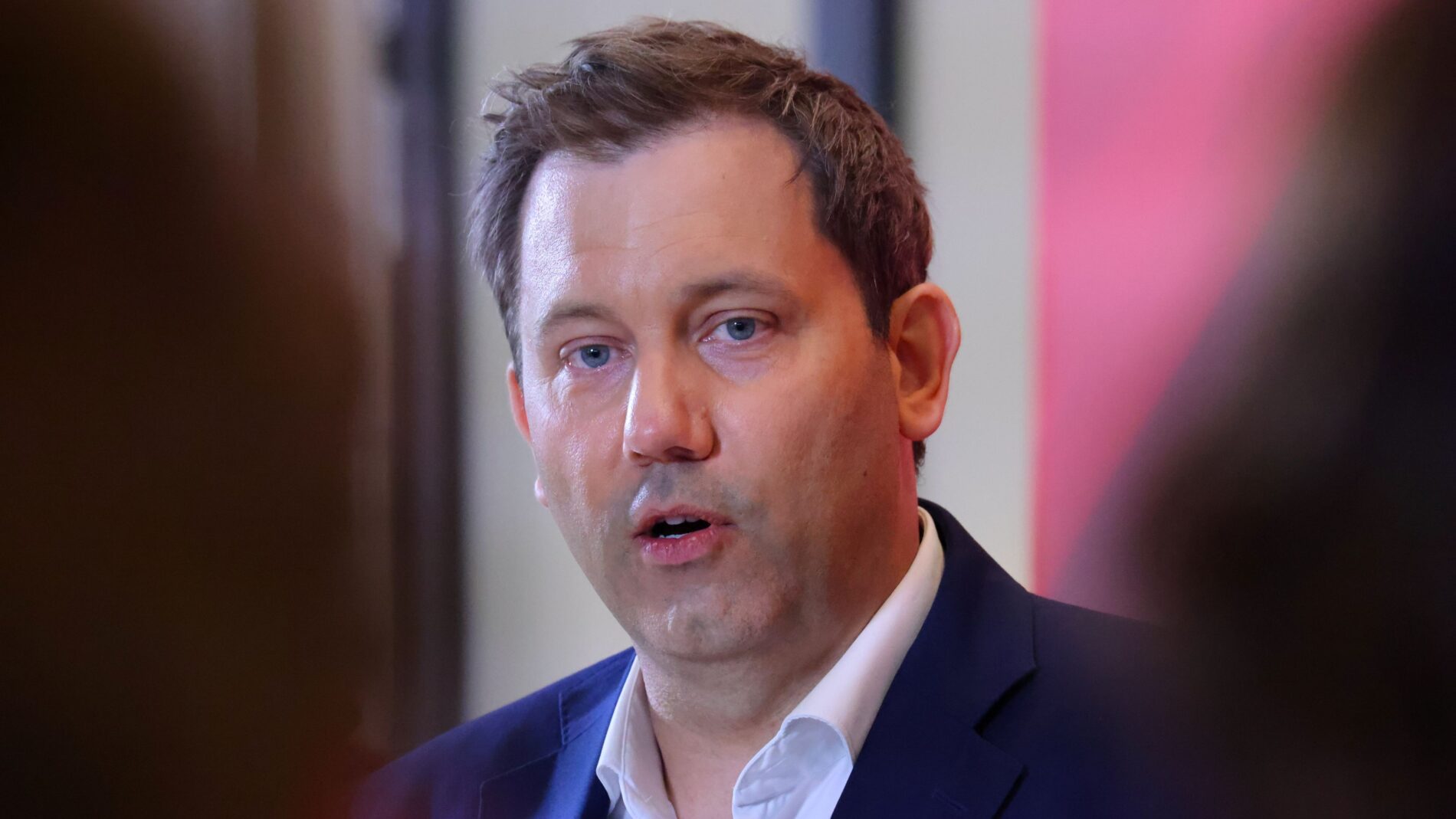
This very difference is now shaping the internal vetoes. Besides Klingbeil’s ministry, Environment Minister Carsten Schneider has also expressed reservations, and leading SPD politicians are criticizing key elements from the Ministry of Economic Affairs. The CDU/CSU is reacting with outrage, as it considers the blockade factually incorrect and argues that high grid fees and other levies already burden private households and businesses.
Heating law, Renewable Energy Sources Act (EEG), and grid package become the next point of contention
The Building Modernization Act, which is intended to replace the current Heating Act, is particularly sensitive. In the future, gas and oil heating systems will still be permitted, but only with strict requirements for the use of green fuels. The SPD is therefore warning of a social problem, because landlords could install heating systems more cheaply, while tenants would later have to bear higher ongoing costs for oil and gas, which will increase further due to rising CO2 prices.
The two sides are also far apart on the amendment to the Renewable Energy Sources Act (EEG) and the grid package. Reiche wants to eliminate subsidies for rooftop photovoltaic systems. The government also intends to end subsidies for wind turbines in unfavorable locations. Furthermore, operators of new plants are to contribute more to grid costs. In overloaded grid areas, new wind and solar parks will no longer receive compensation if electricity is curtailed, while grid operators will be allowed to choose between competing connections for industrial plants, data centers, and wind farms.
Power Plant Strategy Deepens Conflict at the Top
The power plant strategy is further exacerbating tensions within the coalition. Reiche is focusing on new gas-fired power plants as a reserve, so they can step in when wind and solar power fail to meet demand. However, some members of the SPD reject this focus and demand that the strategy be clearly subordinated to the expansion of renewables and energy storage solutions.
This has drawn sharp criticism from the CDU/CSU. Tilman Kuban stated: “It’s time the SPD abandoned its obstructionist stance and prioritized the affordability of energy for the benefit of the population.” Andreas Lenz called the situation “surprising,” while Reiche herself declared she was “in good spirits” so that they could “get started as soon as possible.” Nevertheless, a solution is not in sight, and the matter is likely to end up in the coalition committee, where the next dispute over the government’s energy policy will have to be resolved at the highest level.