
In the Upper Palatinate region of Bavaria, the Weiden public prosecutor’s office has filed charges against waste disposal entrepreneur Michael Roth and one of his employees. Roth has been in pretrial detention since August 2025. The case concerns allegedly illegal waste shipments to the Czech Republic and Poland since 2022. The investigation was triggered by inquiries into mislabeled waste from Germany. At the center of the case are at least 700 tons of waste, including wind turbine scrap, aircraft parts, and GRP and CFRP waste. The indictment also includes charges of grievous bodily harm to nine employees, who are alleged to have been exposed to carcinogenic substances such as cobalt and nickel. (exxpress: 26.04.26)
Indictment cites illegal shipments to the Czech Republic and Poland
Investigators are now working on the assumption of 54 cases. These involve the alleged transport of hazardous and non-hazardous waste abroad without the necessary permits. Furthermore, the shipments are alleged to have been improperly registered.
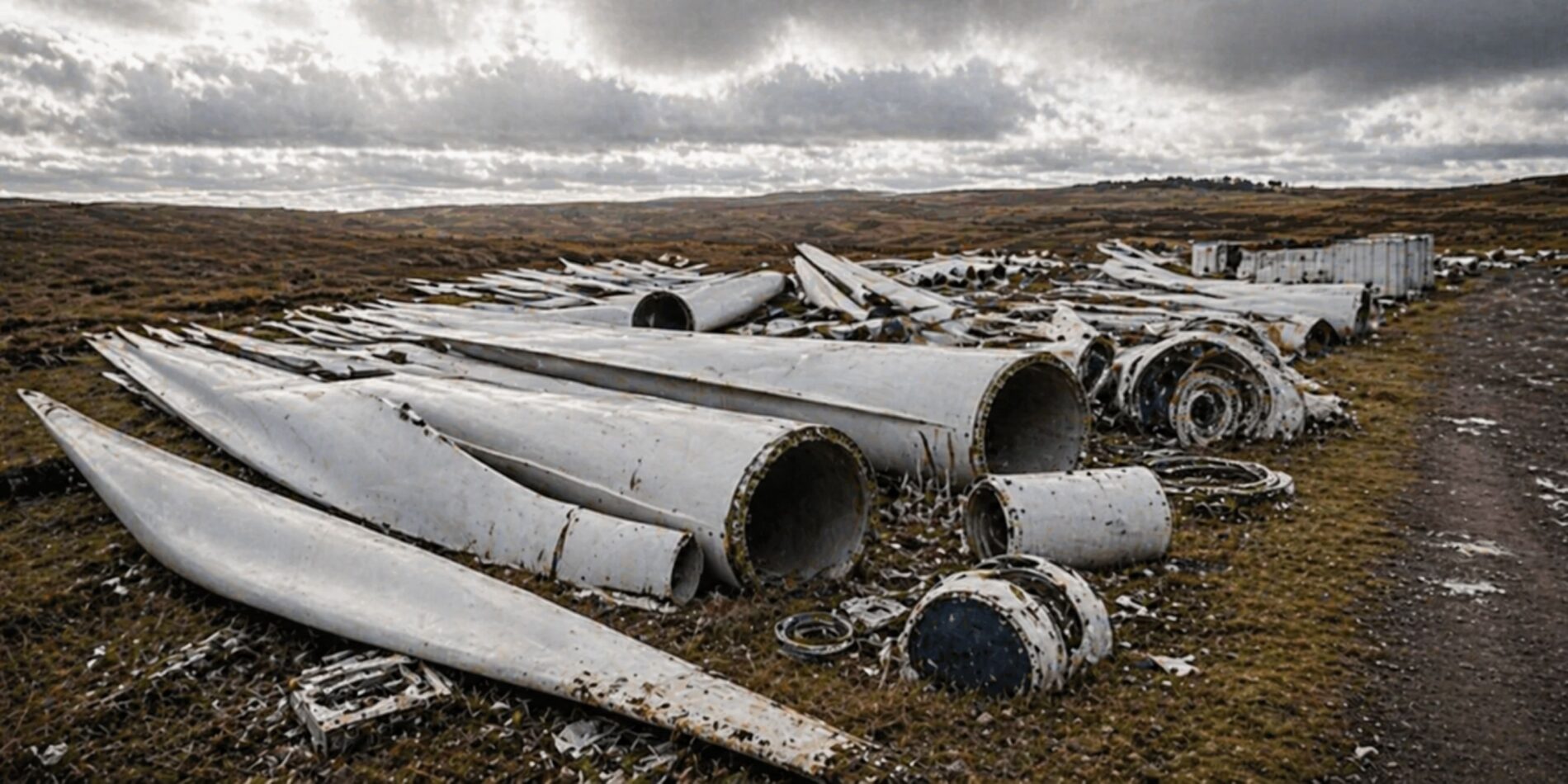
According to current findings, the waste ended up in several locations in the Czech Republic. Investigators have also identified Poland as another destination country. The allegations are serious because the disposal of such materials requires strict documentation.
Pre-trial detention exacerbates the case for the industry
Roth was long considered a well-known name in the disposal of old wind turbines. This is precisely why the case is a significant blow to the industry. A provider of recycling solutions is alleged to have massively violated disposal regulations.
The pre-trial detention underscores the seriousness of the allegations. At the same time, the presumption of innocence applies until a conviction. The Weiden Regional Court must now decide whether to admit the charges.
Wind turbine scrap remains a growing disposal problem
Rotor blades are often made of composite materials. These materials are difficult to recycle. Therefore, dismantling and disposal incur high costs.
Many older wind turbines are now reaching the end of their service life. At the same time, industrial solutions for large quantities of fiberglass-reinforced plastic (FRP) and carbon fiber-reinforced plastic (CFRP) are lacking in many places. The case therefore highlights a structural risk of the energy transition.
Employees allegedly exposed to hazardous substances
The charge of grievous bodily harm is particularly serious. Nine employees are said to have come into contact with carcinogenic substances. Investigators have cited cobalt and nickel as examples.
The suspected health risks therefore extend beyond foreign dumping sites. They also reach into the company itself. Furthermore, remediation, repatriation, and proper disposal could incur high costs.
Pre-trial detention and indictment send a new signal
The second mention of pre-trial detention in the proceedings makes the case politically sensitive, as it links waste-related crime to a core aspect of the energy transition. At the same time, it increases the pressure on authorities to better monitor disposal routes.
This increases the risk of costly verification processes for operators of older wind turbines. The industry will also likely have to provide more detailed explanations of how it will dispose of rotor blades properly in the future. Without reliable recycling pathways, wind turbine scrap remains a cost and environmental problem.