
According to DEKRA, two Nordex turbines at the Königseiche wind farm near Uhingen-Baiereck are exceeding the nighttime noise limit. The City of Uhingen published the findings on June 16, 2026, following complaints lodged since the facility’s commissioning in December 2024. Residents of Baiereck are particularly affected. DEKRA also detected tonal noise during various operating conditions; however, the operating permit does not allow for such distinctive tones. Consequently, the turbines face potential further power curtailment, mandatory nighttime shutdowns, or even a temporary halt to operations.
Noise limit significantly exceeded in Baiereck, according to DEKRA
The two wind turbines are located at the GP-05 Sümpflesberg site, also known as Königseiche. DEKRA projects nighttime levels of between 41 and 42 dB(A). However, the permissible noise limit is 40 dB(A). Consequently, the baseline level alone exceeds the relevant threshold. Furthermore, there are several residential houses in the affected area. The measurement therefore contradicts the earlier noise forecast.
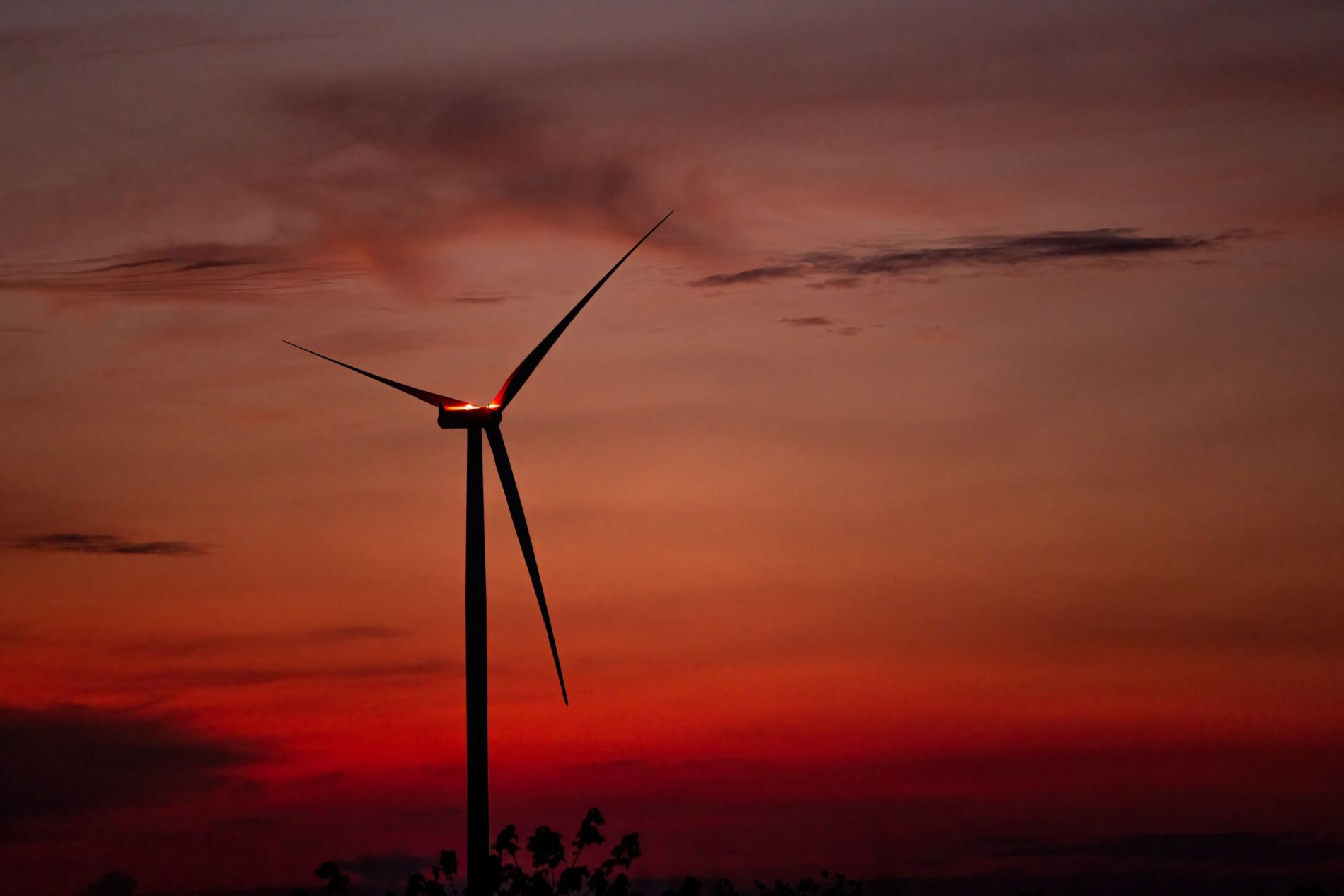
Image: Shutterstock
The observed tonality has an even greater impact. DEKRA calculated a 5 dB(A) penalty for full-load operation, while the penalty is 4 dB(A) during low-load operation. As a result, the rated noise level rises to as much as 45 dB(A). Additional penalties could push the figure even higher; consequently, the citizens’ initiative “Pro Schurwald” cites potential levels of up to 50 dB(A).
Gearbox replacement failed to eliminate the noticeable noise
Noise complaints began shortly after the wind farm went into operation. In 2025, experts identified tonal components in the noise from both turbines. In response, the operator and manufacturer had the gearboxes replaced—a process completed in August 2025. However, the complaints did not cease; following the restart, residents again reported humming sounds and rhythmic swishing noises.
A further measurement was conducted in March 2026, during which noticeable tones reappeared at specific wind speeds. Nevertheless, the district authority assessed the overall nighttime noise level as being within permissible limits at that time. Consequently, the operator pledged to throttle the turbines at higher wind speeds, though no official shutdown order was issued. The new DEKRA figures now alter the basis for this assessment.
Permit requires operation without tonal noise
The operating permit does not authorize operation involving perceptible tonality. Therefore, tonal noises can be legally significant even if they fall below specific measurement thresholds. Furthermore, the mandatory penalties increase the calculated rating level; thus, the measured noise level cannot be evaluated without accounting for these noise components. The authority must now consider specific restrictions, such as throttling, nighttime shutdowns, and technical modifications.
The citizens’ initiative “Pro Schurwald” is demanding the immediate shutdown of both turbines, asserting that current operations violate the terms of the permit. However, no final legal decision has yet been made public. The competent authority may initially order less stringent measures. However, these must demonstrably ensure the protection of the residents. A shutdown is therefore an option if other measures prove insufficient.
Actual measurements exceed the initial noise forecast
The initial forecast was based on the DIN ISO 9613-2 standard and the supplementary interim procedure. For one specific point analyzed, it calculated a level of approximately 38.4 dB(A). However, DEKRA has now recorded higher values. The hilly, wooded Nassach Valley significantly influences sound propagation. Furthermore, wind direction and weather conditions can alter noise exposure levels; individual model values do not always fully account for such conditions.
However, this case does not automatically indicate errors in all wind power forecasts across southern Germany. Confirming that would require series of measurements at many comparable sites. Nevertheless, the results demonstrate a clear need for verification in challenging terrain. Long-term measurements could therefore provide more reliable data on noise exposure. For Baiereck, the regulatory response is now the decisive factor; it will determine whether the turbines are permitted to continue operating at night.
Author: Blackout News
Sources: Stadt Uhingen (16.06.26) – Filstalwelle (16.06.26) – ZVW (13.05.26) – SWR (12.05.26)