
From July 2026, new cars in the EU must be equipped with an interface for an alcohol interlock, as Brussels aims to curb drunk driving more effectively through vehicle technology. The legal basis for this is Regulation (EU) 2019/2144 on general vehicle safety. It mandates several modern safety systems for new vehicles, including provision for alcohol interlocks. The technical details are set out in Delegated Regulation (EU) 2021/1243. However, this does not make a permanently installed breathalyzer mandatory. Consequently, the rule does not entail a check before every trip for drivers; instead, it establishes the framework allowing authorities to more easily require the retrofitting of an alcohol interlock following alcohol-related offenses. (euroweeklynews: 25.05.26)
What the car alcohol interlock interface really means
Initially, the new mandate requires only that the vehicle be pre-equipped for the system. This does not mean that an alcohol testing device automatically becomes part of the standard equipment. Consequently, drivers do not have to blow into a device before every start during everyday driving.
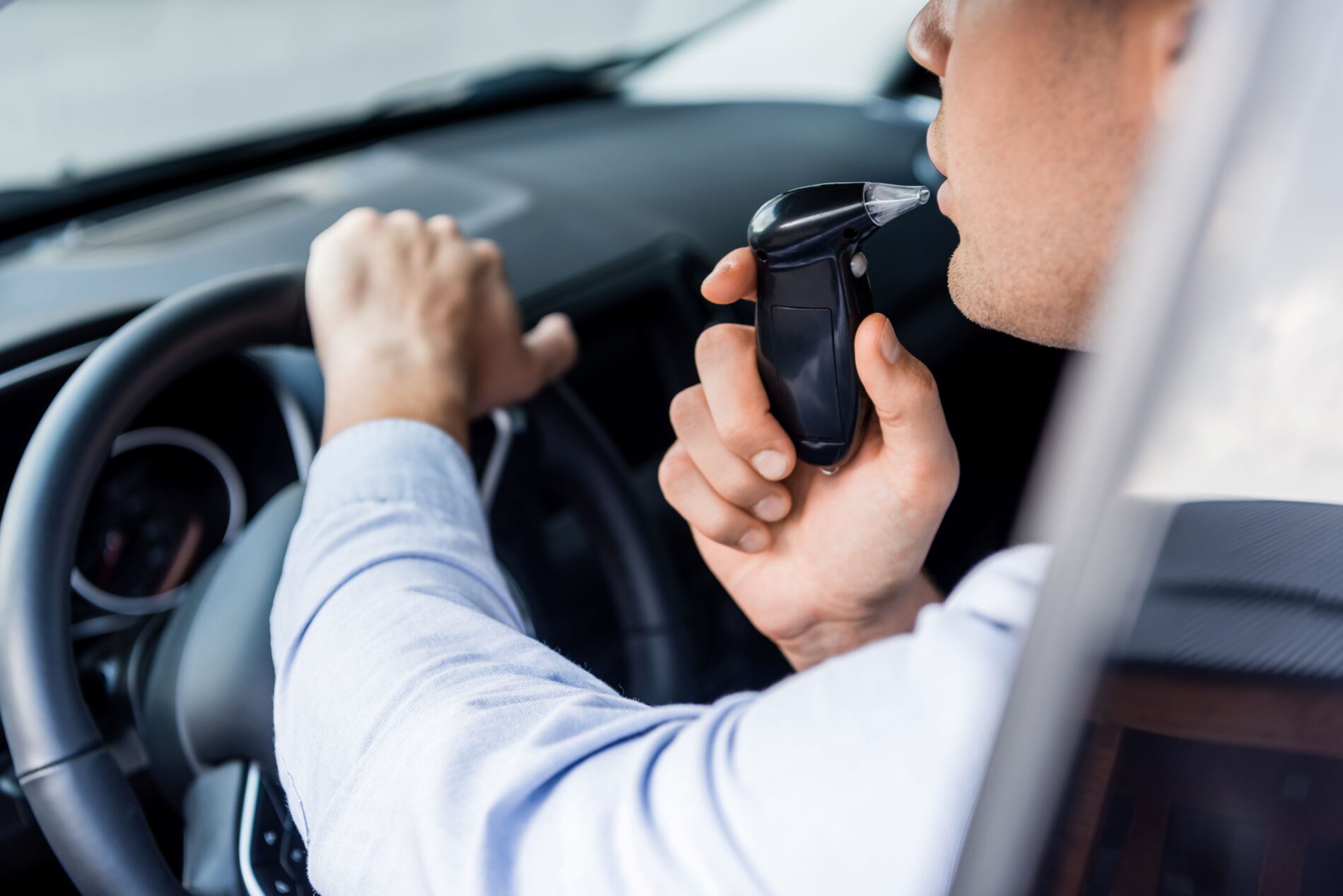
However, an alcohol interlock can be installed later. The system checks the driver’s breath alcohol level before the engine starts; if the reading exceeds the limit, the vehicle remains immobilized.
EU places greater emphasis on technology for road safety
This regulation is also part of the European strategy to improve road safety. Through “Vision Zero,” the EU aims to reduce the number of road fatalities to zero by 2050. Consequently, Brussels has been mandating additional safety systems for new vehicles for years.
Emergency braking assistants and lane-keeping aids intervene while the vehicle is in motion. In contrast, the alcohol interlock operates before the journey begins, aiming to prevent an intoxicated driver from getting on the road in the first place.
Switzerland affected despite its own legal framework
Switzerland is not required to directly adopt the EU mandate. However, this makes little difference to car buyers, as manufacturers generally develop new models for major markets rather than for specific, isolated regulations.
As a result, many new cars in Switzerland will likely be equipped with the necessary interface as well. The alcohol interlock itself remains an optional retrofit. The technology becomes particularly relevant when authorities or courts require its installation following alcohol-related offenses.
Effective primarily for high-risk drivers
Alcohol interlocks can have a significant impact on repeat offenders. They prevent the vehicle from being easily started after alcohol consumption. However, their effectiveness depends on whether authorities deploy the technology in a targeted manner.
A mere interface does not prevent accidents on its own, but it lowers the barrier for future retrofitting. This is precisely the practical essence of the EU regulation.
Shared vehicles create new challenges
Conflicts also arise with cars used by multiple people. When an interlock is installed, it affects more than just the convicted driver; partners, family members, or colleagues must also take the test before starting the vehicle.
This means an individual sanction extends into the daily lives of other users. Nevertheless, the safety benefits remain a desired policy outcome. The EU is increasingly relying on technology because penalties alone do not reliably prevent drunk driving.