
Germany plans to source nearly 100 percent of its electricity from renewable energies by 2035, with climate neutrality slated to follow by 2045. Consequently, this debate affects households, industry, and the national budget. The catalyst is the politically driven restructuring of the power system within a compressed timeframe. However, ensuring supply during periods of low sunlight and weak winds remains the critical challenge. The primary consequences would be high grid costs, the need for new storage facilities and additional reserve power plants, and rising financial burdens for consumers.
100 Percent Green Electricity Exacerbates the Cost Issue
An almost entirely renewable electricity system sounds like a logical step at first. However, those final few percentage points incur particularly high additional costs. Wind turbines and solar installations do not generate electricity at all times; Germany therefore requires technologies that reliably bridge these supply gaps.
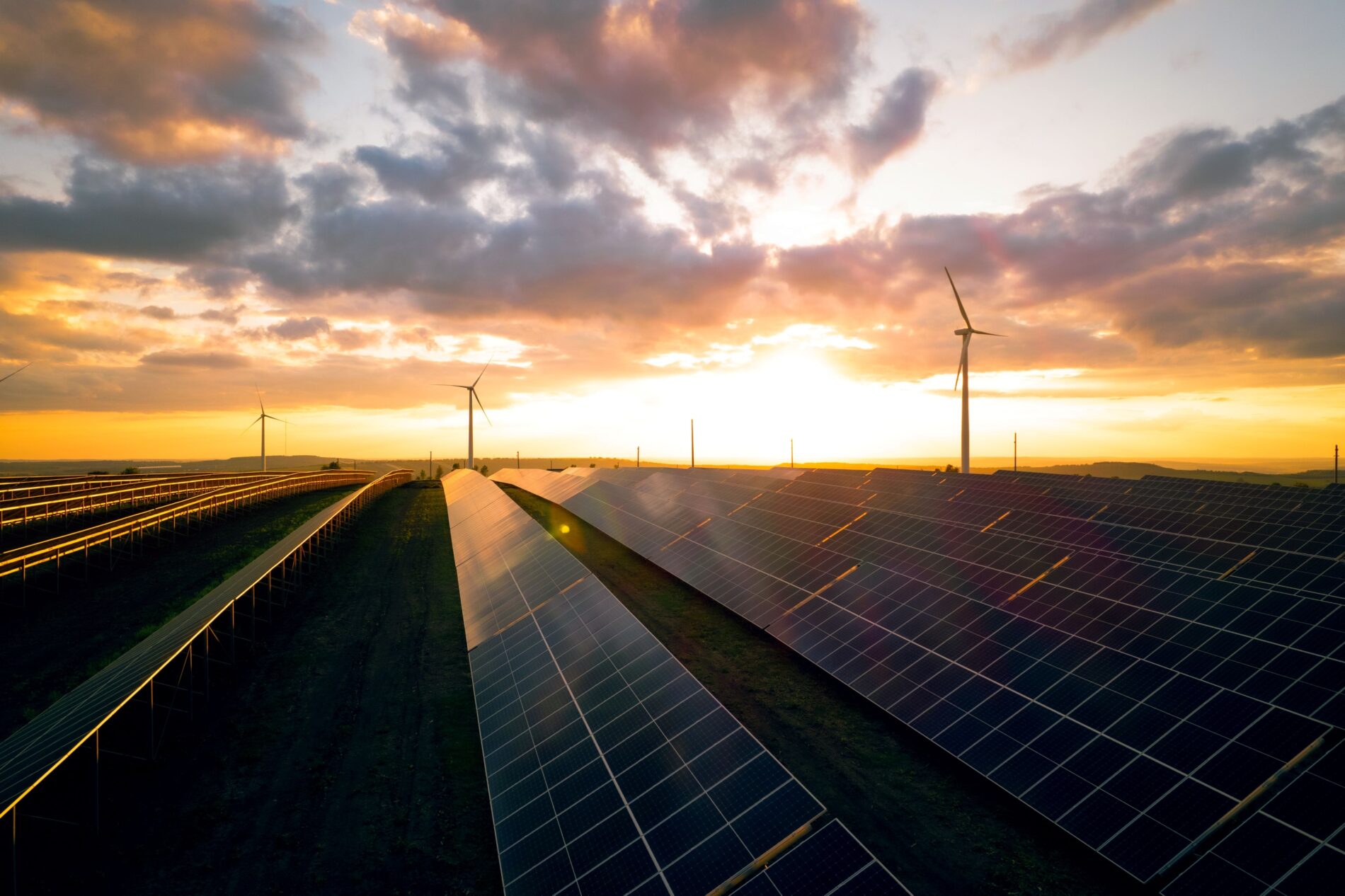
Cold winter nights are particularly critical. During these times, solar power systems generate no electricity, while lulls in the wind drastically reduce wind power output. At the same time, electricity demand is rising due to heat pumps, industrial processes, and electric mobility. Consequently, wind and solar power alone are insufficient to ensure security of supply.
Grids, Storage, and Power Plants Drive Up Costs
However, the major costs do not stem solely from the construction of new generation facilities. Electricity must be transported over long distances; to achieve this, Germany requires new transmission lines and more robust distribution grids. A study conducted by the Institute of Energy Economics at the University of Cologne estimates the cost of this grid expansion at approximately 730 billion euros.
Added to this is the need for energy storage on a massive scale. While batteries can buffer short-term fluctuations, prolonged periods of low generation—known as “dark lulls”—require alternative solutions. To address this, policymakers are banking on hydrogen and new gas-fired power plants. The intention is for these power plants to eventually run on green hydrogen; however, this fuel remains both scarce and expensive.
Why 100 Percent Renewables Is Not Automatically Economical
Economic analyses, however, reveal a hard limit. Renewable energy sources primarily reduce costs in locations where they yield high returns. In Germany, however, many prime locations are in short supply. As prime wind sites become scarce, new facilities are increasingly being built in locations with less favorable conditions.
The locational disadvantage is even more pronounced in the case of solar power. Germany receives significantly less solar radiation than Southern Europe; Spain, for instance, enjoys a substantially higher number of annual sunshine hours. Consequently, solar electricity can be generated more cheaply there. Nevertheless, Germany continues to expand its domestic solar generation capacity on a large scale.
Germany Needs a More Honest Energy Transition
Moreover, the energy transition does not concern the electricity sector alone; heating, transport, and industry are also expected to become climate-neutral. Consequently, the Scientific Services of the Bundestag estimate the total costs at 10 to 13 trillion euros over a period of 20 years. A cost magnitude of this scale places a strain on economic growth, investment, and purchasing power.
A more robust strategy would therefore need to pay closer attention to costs, imports, and security of supply. Affordable solar power from southern countries could offer assistance. Reserve power plants will also remain necessary. Furthermore, Germany should objectively evaluate climate-neutral nuclear technology. Restricting the technological scope makes electricity more expensive and increases reliance on costly stopgap solutions. (KOB)