
-
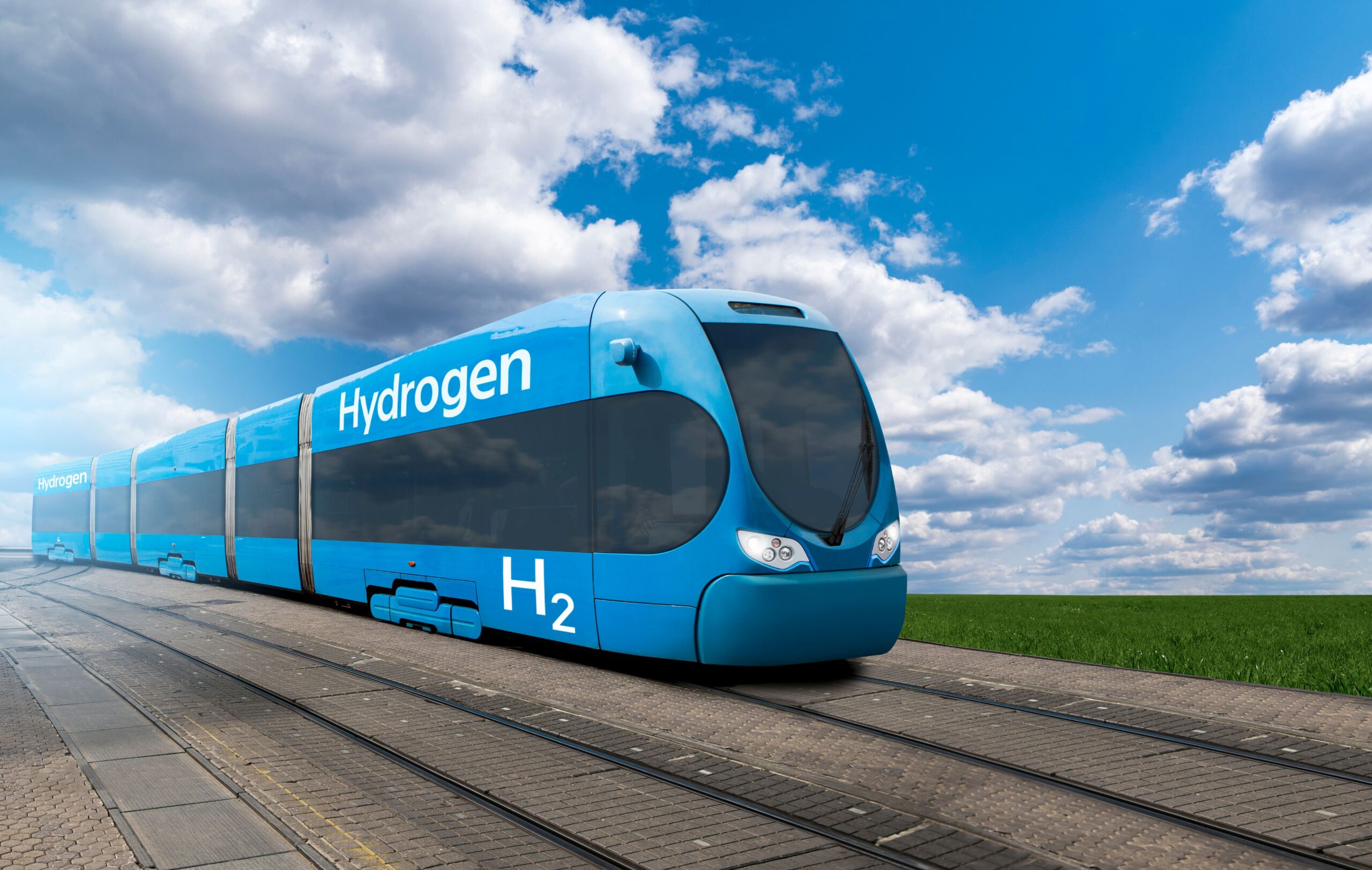
Hydrogen shortage halts hydrogen trains on the Heidekrautbahn RB 27
The RB 27 regional train connects Berlin with the northern outskirts in Brandenburg. On January 10, 2026, service was disrupted. A lack of hydrogen for refueling caused the Heidekrautbahn hydrogen trains to stop running. The hydrogen shortage affected the line on a weekend. The platform displays showed “Service disruption! (no fuel delivery)”. (berliner-zeitung: 12.01.26 RB…
-

Investigations by the Federal Prosecutor General against Vulkan Group have been unsuccessful for 15 years
For almost 15 years, the Federal Prosecutor General has been pursuing the Vulkan group, yet the results remain meager. The state speaks of terrorism against infrastructure, but a manhunt with tangible results is lacking. (cicero: 12.01.26) Vulkan Group: Investigation Report Without Action A spokesperson told Cicero that there have been “no arrests or major searches”…
-

Germany basket – SPD demands cheaper food from retailers
The SPD is calling for a “Germany Basket” that would significantly reduce the cost of groceries. This would involve lower prices for basic foodstuffs in stores and the establishment of a price monitoring agency. However, food prices are also rising due to the repeatedly increased minimum wage and the annually raised CO2 tax. The SPD,…
-
After the December shock – Destatis no longer publishes preliminary insolvency figures
The Federal Statistical Office (Destatis) is discontinuing the publication of preliminary insolvency figures. The quick overview will disappear, and the official overall picture will be available much later. This increases uncertainty at a time when insolvency filings, corporate insolvencies, and the economic situation are being closely monitored. (destatis: 12.01.26) What Destatis is specifically discontinuing The…
-
Tesla reports sales decline in Europe – Falling capacity utilization in Grünheide threatens Gigafactory
Tesla’s European sales figures are projected to fall in 2025. The company is now selling fewer vehicles than in 2022. This is relevant for Grünheide because the Gigafactory was already operating below full capacity in 2022. If sales drop below this level, capacity utilization will decline further. This will increase fixed costs per vehicle, as…
-
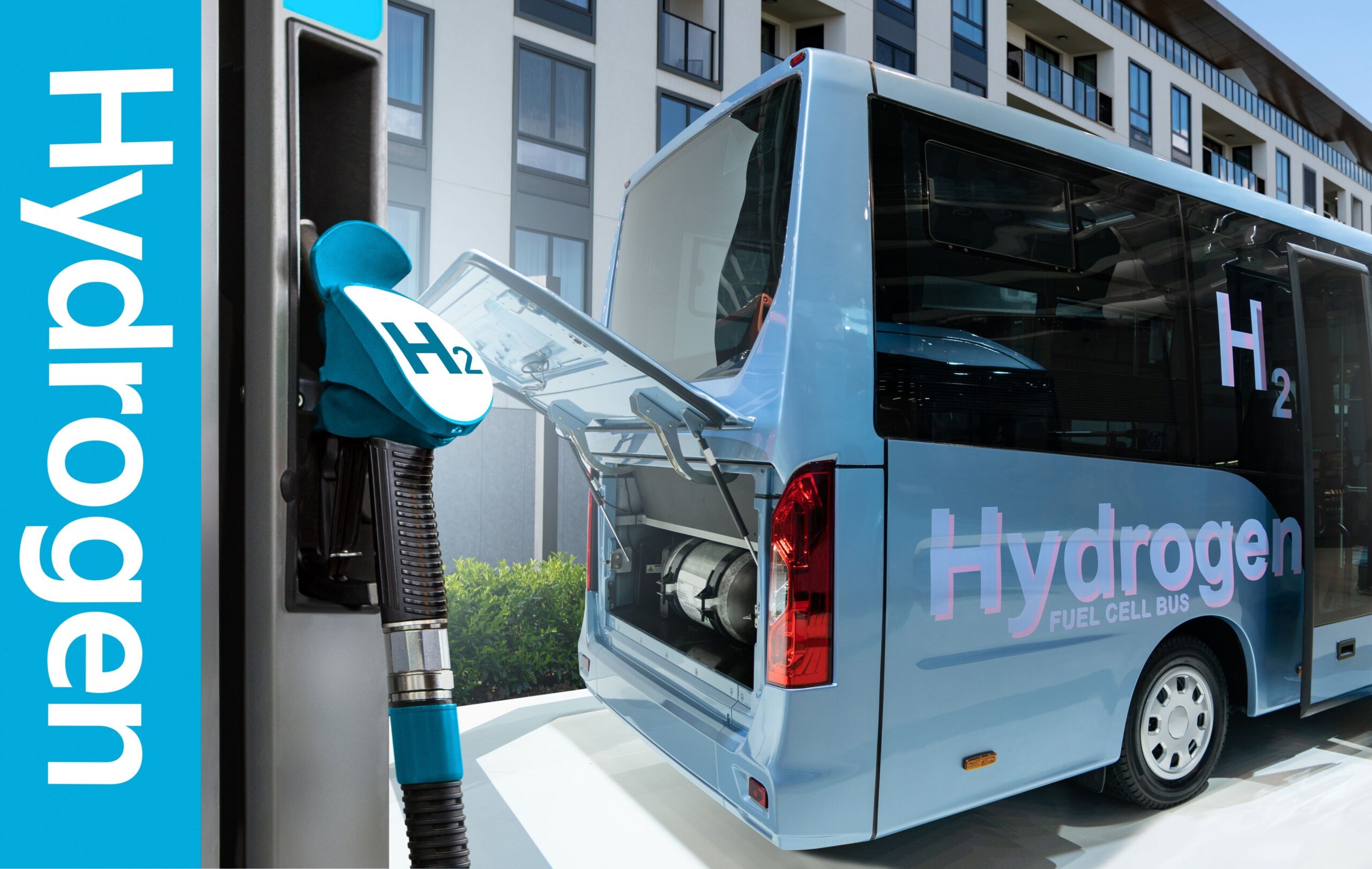
Service disruptions in Heidelberg – hydrogen buses with frost and electrical problems
In the university city of Heidelberg, bus service disruptions are becoming increasingly frequent, forcing Rhein-Neckar-Verkehr GmbH (rnv) to reorganize its daily operations at short notice. According to the company, cancellations are possible on all 14 bus lines within the city limits, and disruptions are also affecting some outlying routes. Hydrogen buses with fuel cells are…
-
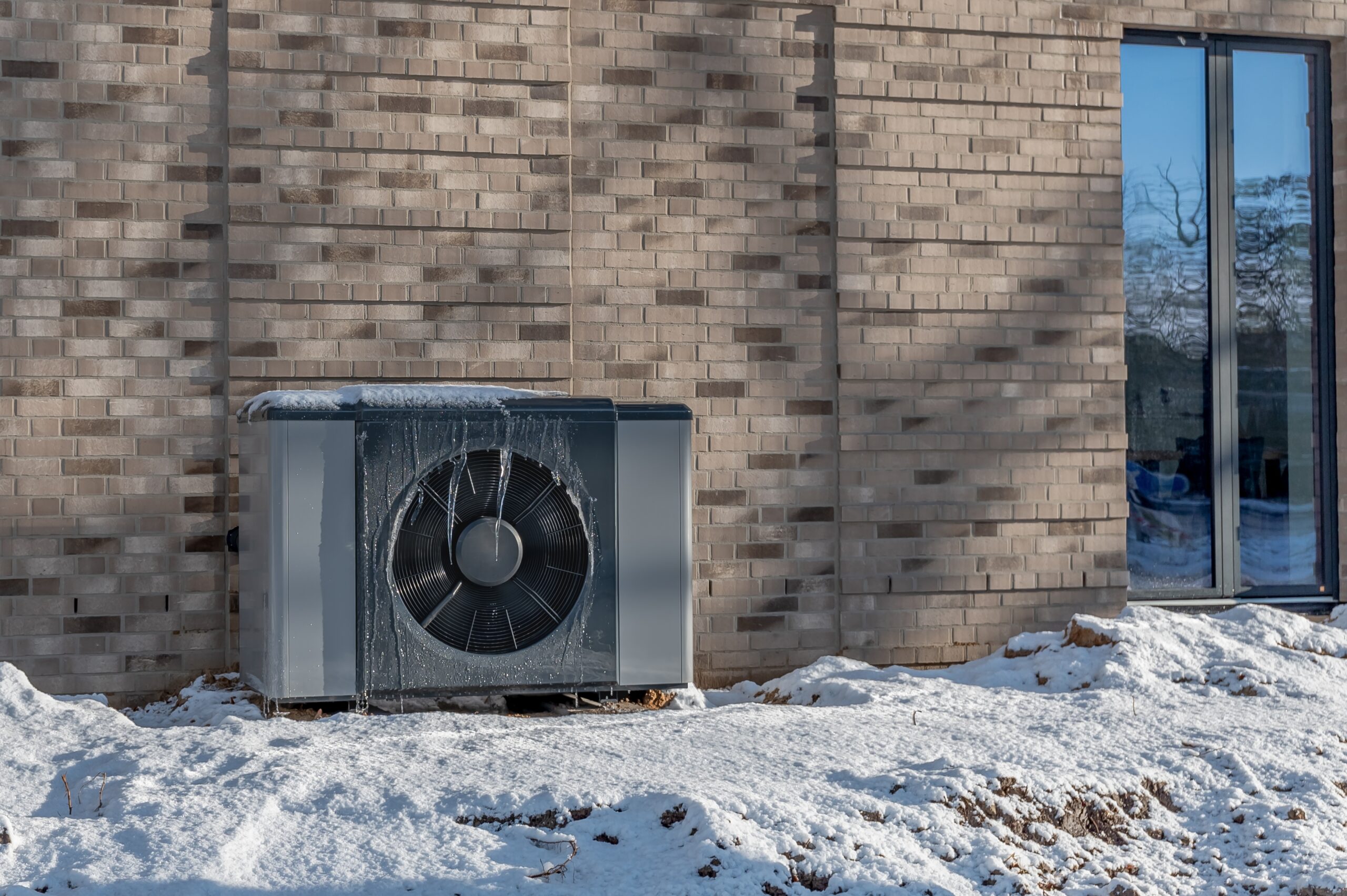
Frost damage after blackout: Power restored – many heating systems still remain off
After the blackout, all households in Berlin are reconnected to the power grid, but in Zehlendorf, entire streets are still without heating: The days of freezing temperatures damaged many heating systems to the point that they cannot be restarted. Without electricity, pumps and controls were shut down, and many buildings cooled down completely. Numerous heat…
-

Freight forwarders warn: Extended toll exemption is not enough – electric trucks are often unsuitable for everyday use
The EU is extending the toll exemption for zero-emission trucks until 2031, yet the effect for freight companies remains limited. The measure is based on the cost per kilometer, but it ignores the operational realities of many businesses. Without charging infrastructure, without network expansion, and with high acquisition costs, a political signal will not translate…
-
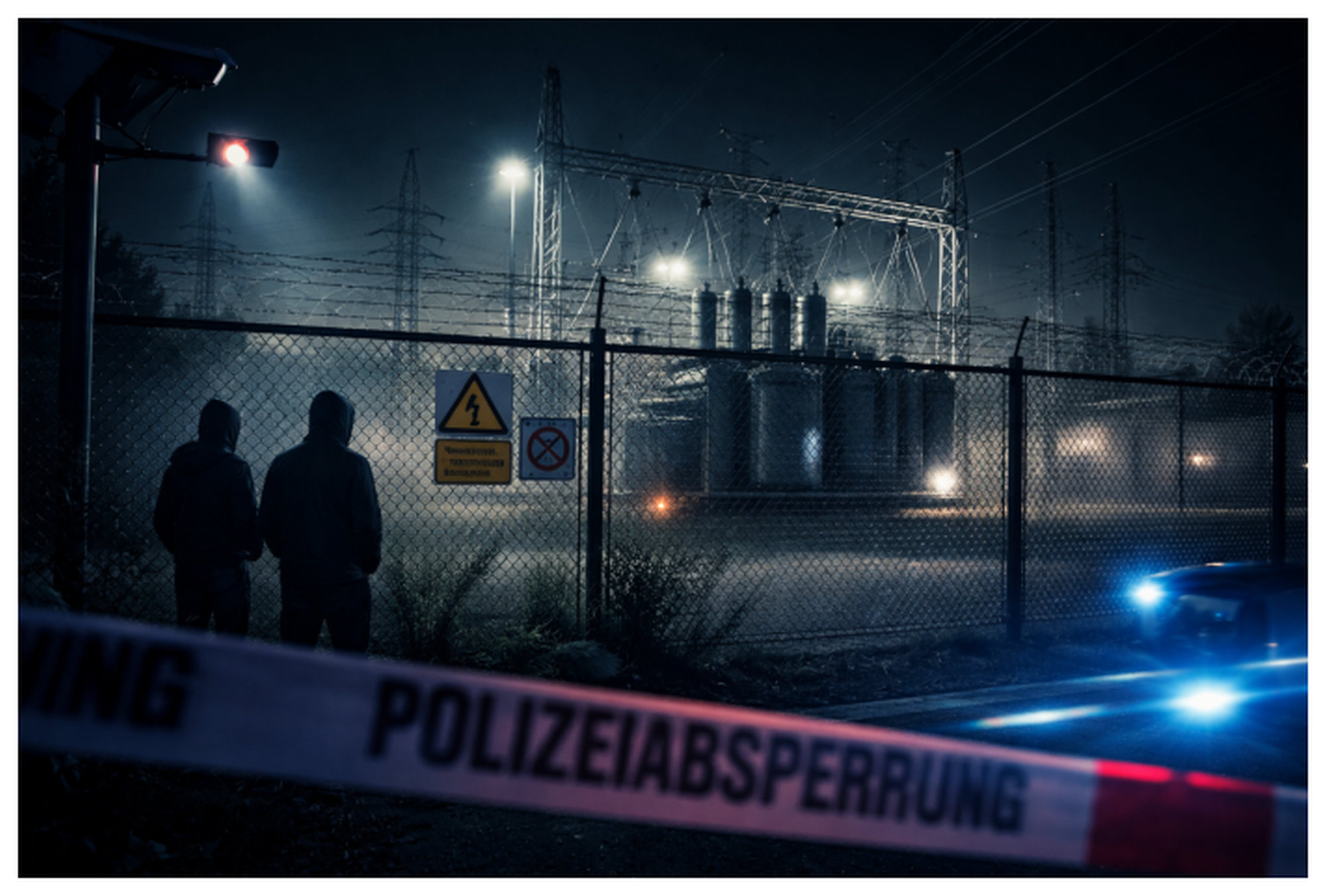
Vulkan group announces further attack on Berlin’s power grid
The far-left Vulkan group announced another attack on Berlin’s power grid online. The message circulated on the Indymedia internet platform shortly after the Berlin blackout. The text later disappeared, but authorities treated it as a concrete warrant for investigation. The Federal Prosecutor General is investigating because of potential extremist structures. (ntv: 08.01.26) Volcano Group: New…
-
Mercedes withdraws a volume model from Rastatt and relocates production of the A-Class to Hungary
Mercedes will relocate A-Class production to Kecskemét, Hungary, starting in the second quarter of 2026, meaning the Rastatt plant will lose a key volume model. The company cites the need for more space, but production is moving abroad, while jobs in Germany are at least indirectly coming under renewed pressure. (reuters: 06.01.26) A-Class and Location…
-
Zalando closes logistics center in Erfurt – 2700 jobs affected
Zalando will close its logistics center in Erfurt by the end of September 2026. The company has stated that it has begun informing the 2,700 employees at the site about the decision. Zalando cites the realignment of its Europe-wide logistics network following the acquisition of About You in 2024 as the reason for the closure.…
-

DAX companies in a downward spiral – Germany is becoming a loss-making business
DAX-listed companies are increasingly posting losses in Germany. According to EY, 23 of the DAX 40 companies have been operating at their German locations for more than a year, while their foreign operations continue to generate profits. This is turning Germany into a cost factor. Industrial production is faltering. Rampant bureaucracy is slowing things down.…
-

Gas storage levels at record low – Federal Network Agency calls for gas conservation
Germany’s gas reserves are unusually low at the beginning of January, increasing pressure on households and businesses. The Federal Network Agency is now urging people to conserve gas because the gas storage facilities are emptying faster than usual due to the ongoing cold snap. LNG terminals are also intended to support the supply, but they…
-
Record amount of electricity from wind and solar power – billions for EEG costs and expensive electricity imports
The record amount of electricity generated from wind and solar power in 2025 met a system that makes surpluses expensive and fails to prevent bottlenecks. At the same time, costs associated with the Renewable Energy Sources Act (EEG) are rising, as are the costs of electricity imports, risks associated with periods of low wind and…
-

CO2 tax 2025: State collects 21.4 billion euros – low-income earners bear the brunt
In 2025, the federal government collected €21.4 billion from CO2 certificates, but the burden is not distributed fairly. This is because CO2 costs are factored into almost all prices, as production, transport, and storage require energy. At the same time, higher-income households more frequently benefit from subsidies for electric cars, building renovations, solar panels, storage…