
-
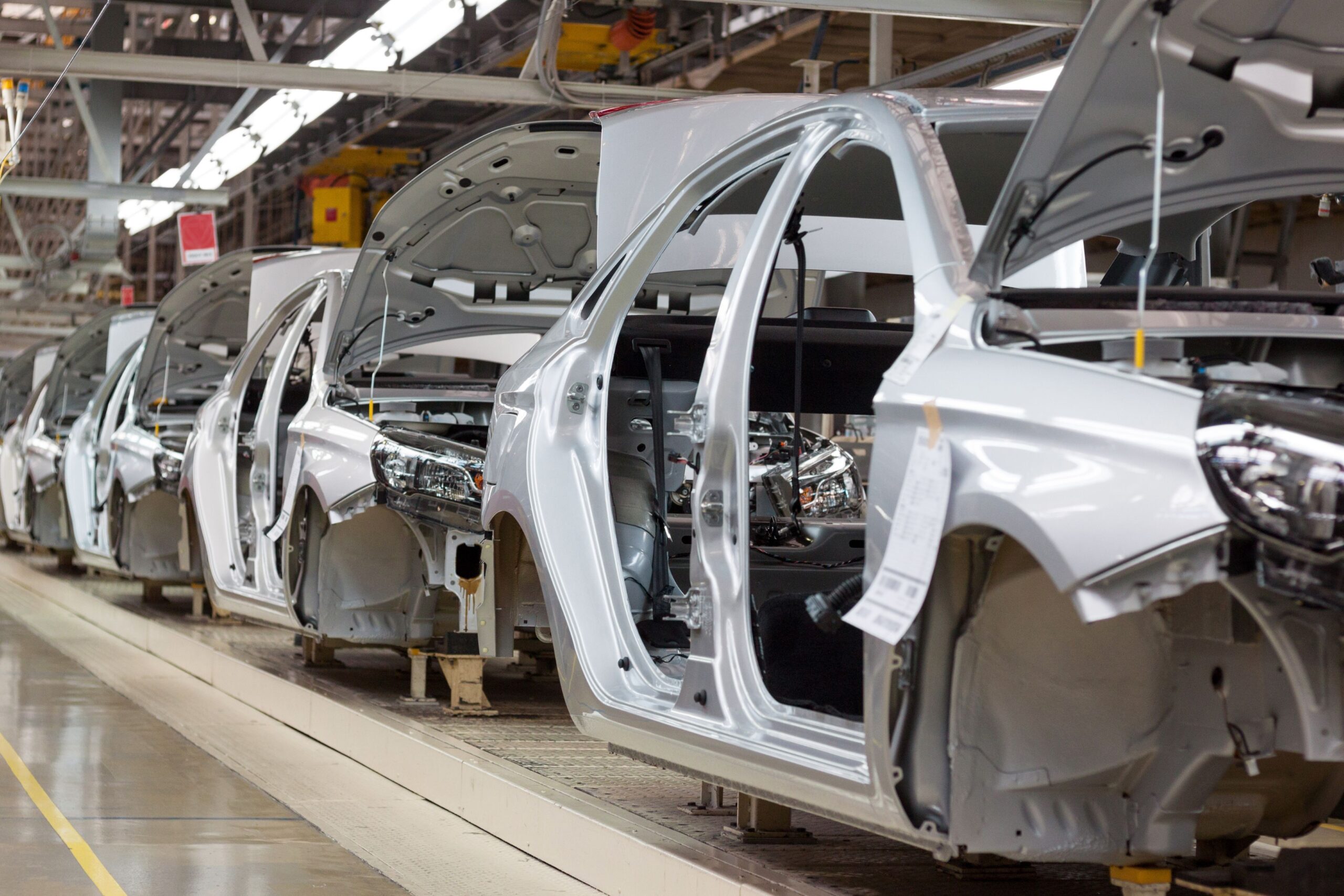
The automotive industry is increasingly shifting vehicle production abroad
In Germany and other major automotive countries in Western Europe, vehicle production has been declining noticeably for years. Manufacturers are increasingly shifting their production to Eastern Europe. Last year, unit sales in Germany, Spain, Italy, and the UK combined were more than a quarter lower than in 2019. In Germany, the decline was 16 percent,…
-
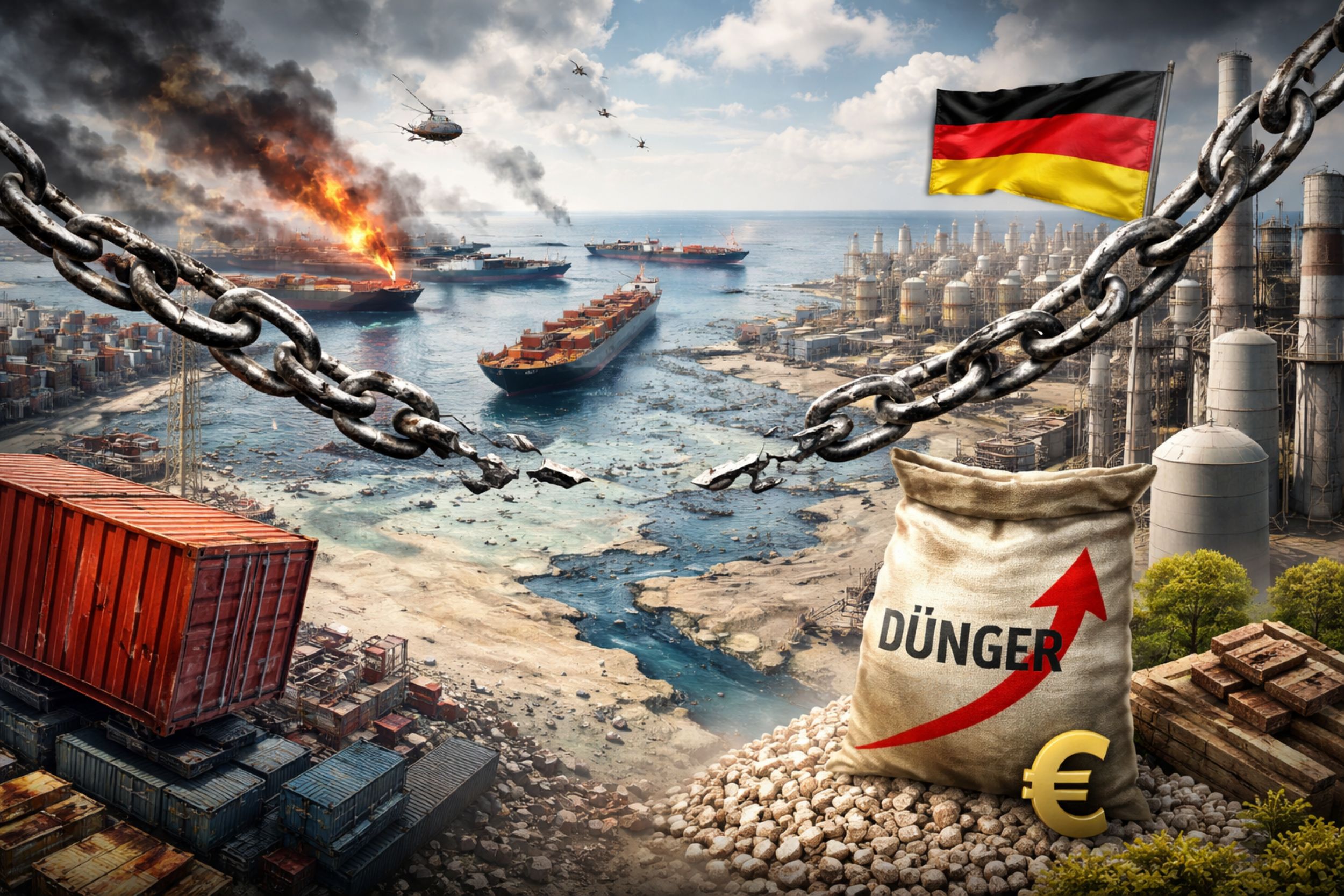
Iran war impacts German chemical industry – supply chains begin to break down
In Frankfurt am Main, the German Chemical Industry Association is warning of growing risks to supply chains, as the war with Iran and the blockade of the Strait of Hormuz are already disrupting international supply chains. Important raw materials such as ammonia, phosphate, helium, and sulfur, needed for chemicals, fertilizers, and other industries, are affected.…
-
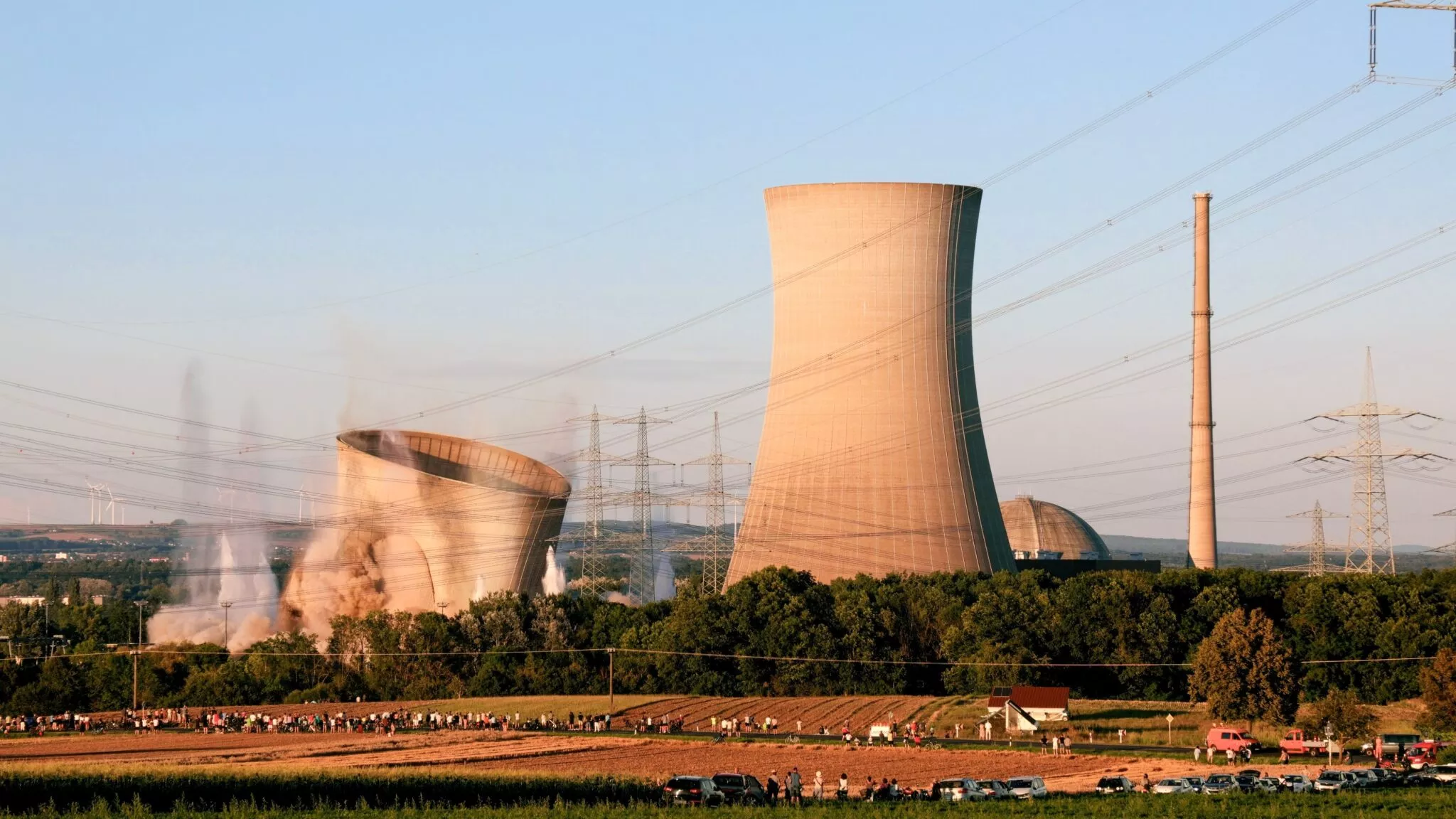
According to a study, phasing out nuclear power will cost Germans around 3900 euros per capita
According to calculations by Norwegian economics professor Jan Emblemsvåg, Germany’s nuclear phase-out has resulted in additional costs of around €330 billion. This equates to approximately €3,900 per capita and around €15,600 for a family of four. The core issue is the decommissioning of functioning nuclear power plants, even though Germany subsequently had to subsidize new…
-
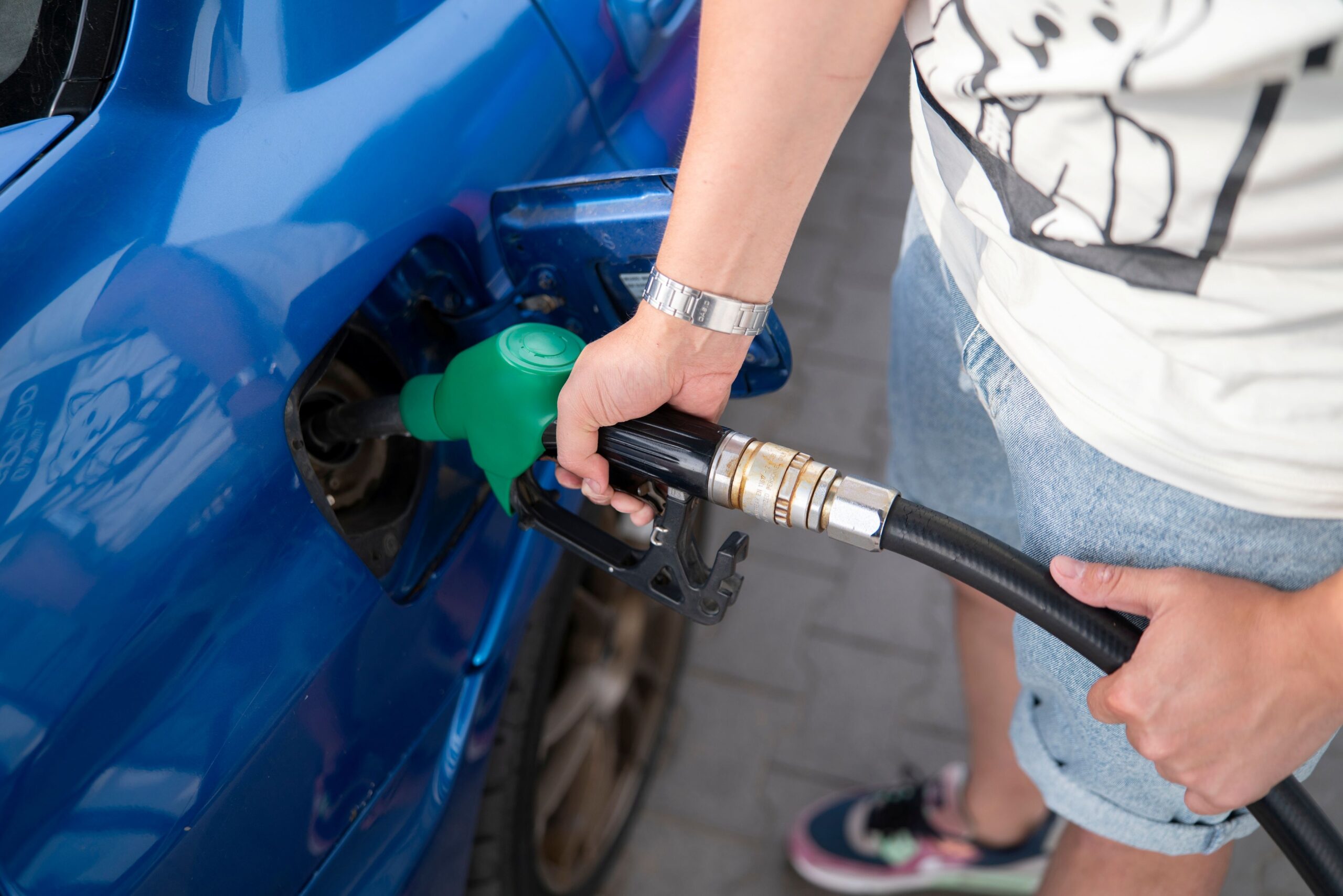
Britain faces fuel rationing – government prepares intervention
According to energy experts, Britain is heading towards potential rationing of oil and fuel products if the blocked Strait of Hormuz is not reopened soon. The trigger is the US war against Iran, which is disrupting a significant portion of the global oil and gas supply. Industry figures indicate that this is currently resulting in…
-
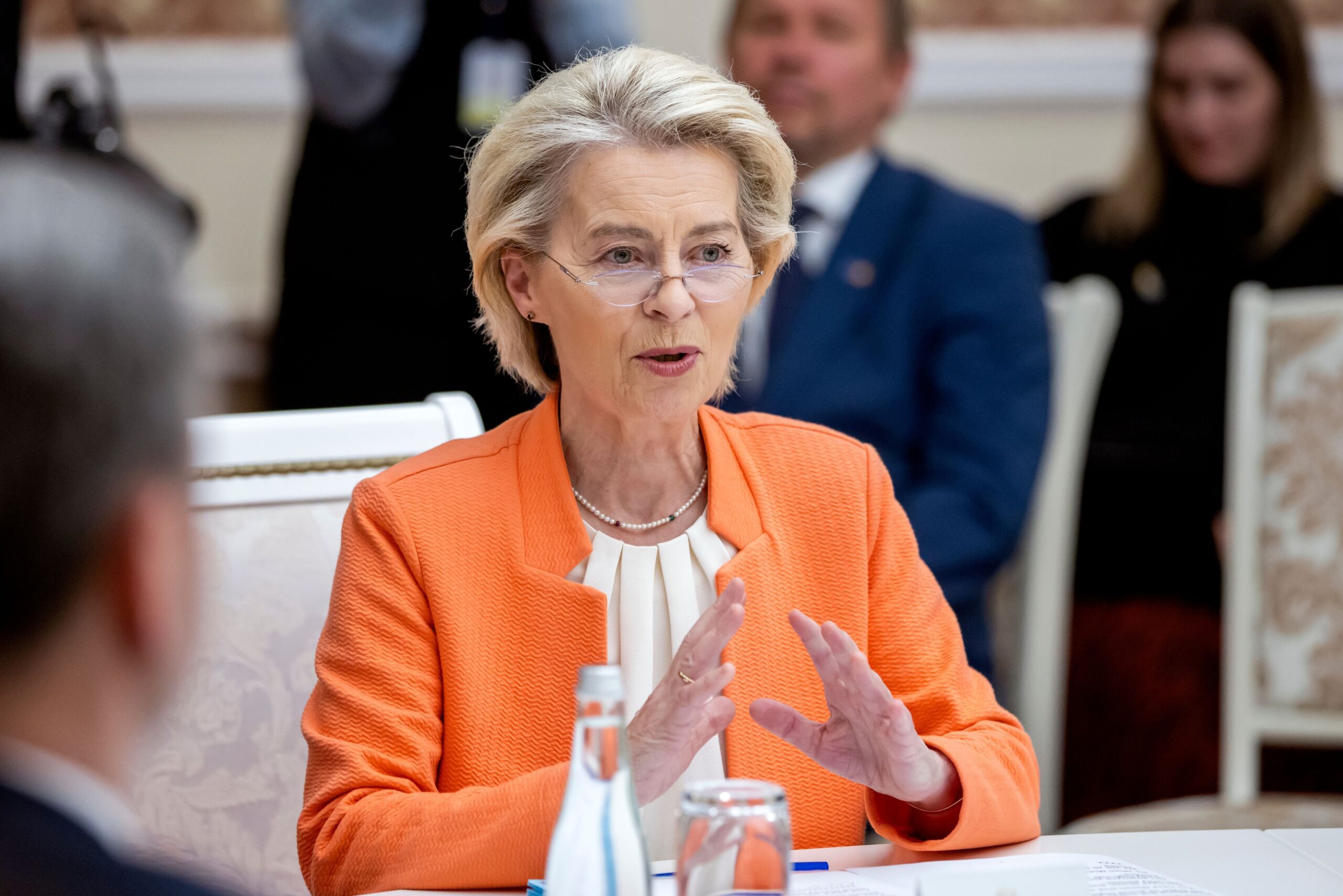
Von der Leyen warns against phasing out nuclear power in a letter to all EU leaders
In Brussels on March 16, 2026, European Commission President Ursula von der Leyen explicitly warned EU heads of state and government against prematurely shutting down functioning nuclear power plants. The trigger was the escalating conflict with Iran in the Middle East, which, according to the letter, is having severe geopolitical and geoeconomic consequences for Europe…
-
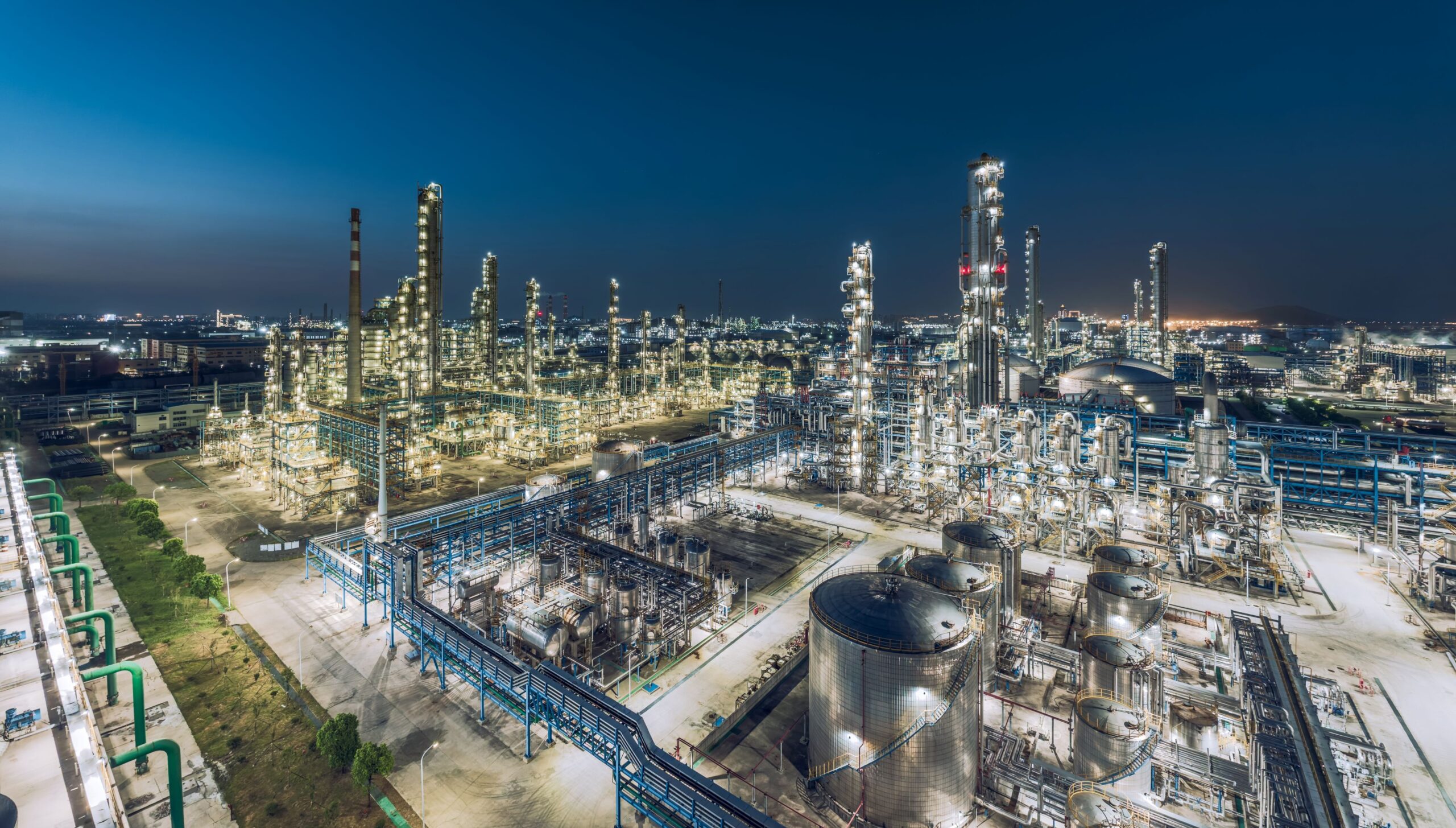
Iran war impacts German chemical industry – East German plants fear standstill
In eastern Germany, the Iran conflict, following the recent escalation in the Middle East, is exacerbating the crisis in the chemical industry. This is triggered by new risks to energy prices, raw materials, and supply chains, particularly around the Strait of Hormuz. At the same time, the industry is experiencing a period of weak demand,…
-
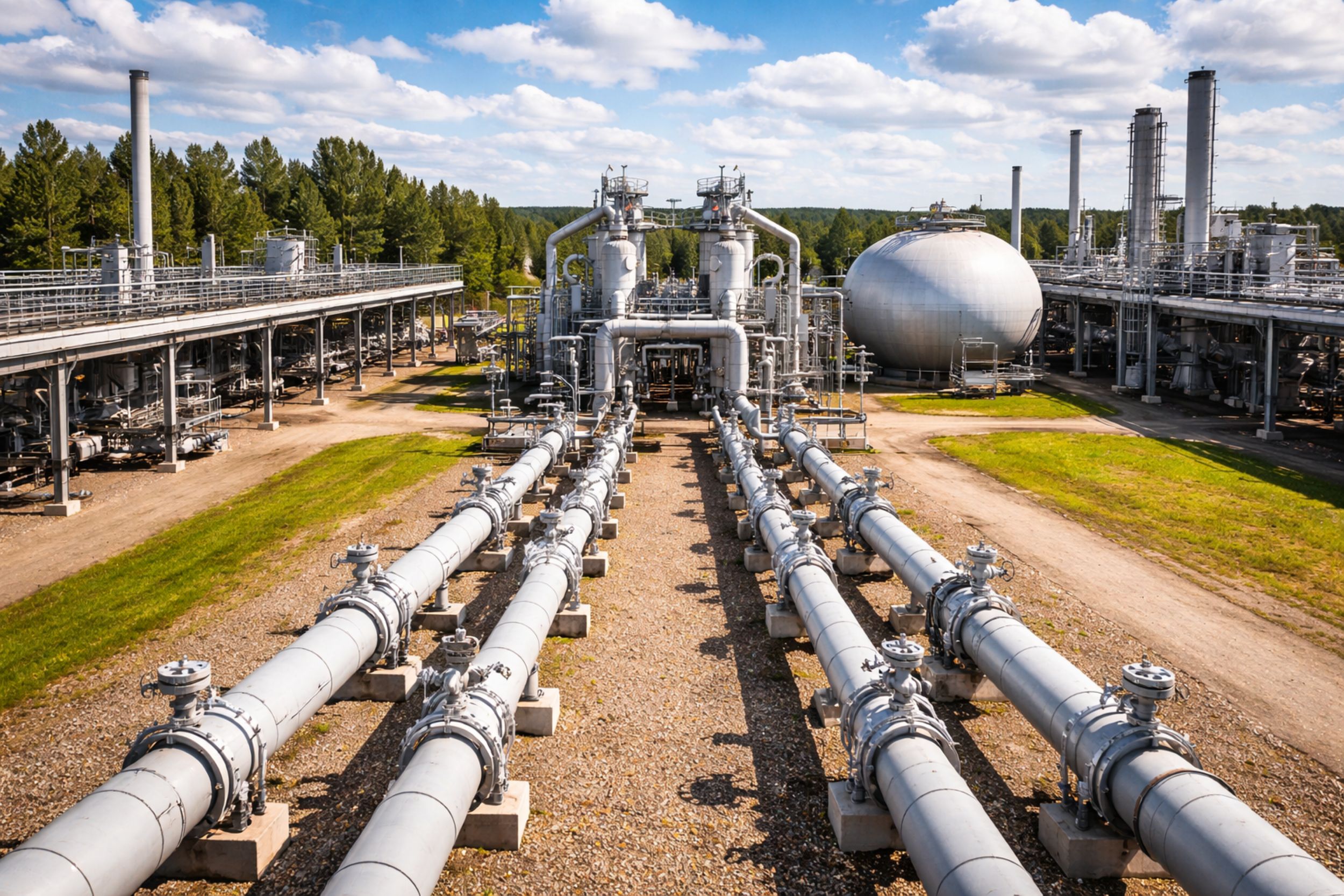
Gas storage association warns: Filling up for next winter is becoming a risk
Gas supplies in Germany are secure for the remainder of the winter. At the same time, the gas storage association Ines warns that refilling storage facilities in the coming months could pose a serious risk for next winter. This is due to the strained international gas markets and Iran’s closure of the Strait of Hormuz,…
-
Bosch agrees with works council to cut 22,000 jobs
At the technology group Bosch, headquartered in Gerlingen, the reduction of approximately 22,000 jobs in the Mobility division has been finalized for almost all affected German locations following lengthy negotiations with the works council. This is due to the expanded cost-cutting plans implemented in the supplier division in September 2025, which primarily affect plants in…
-
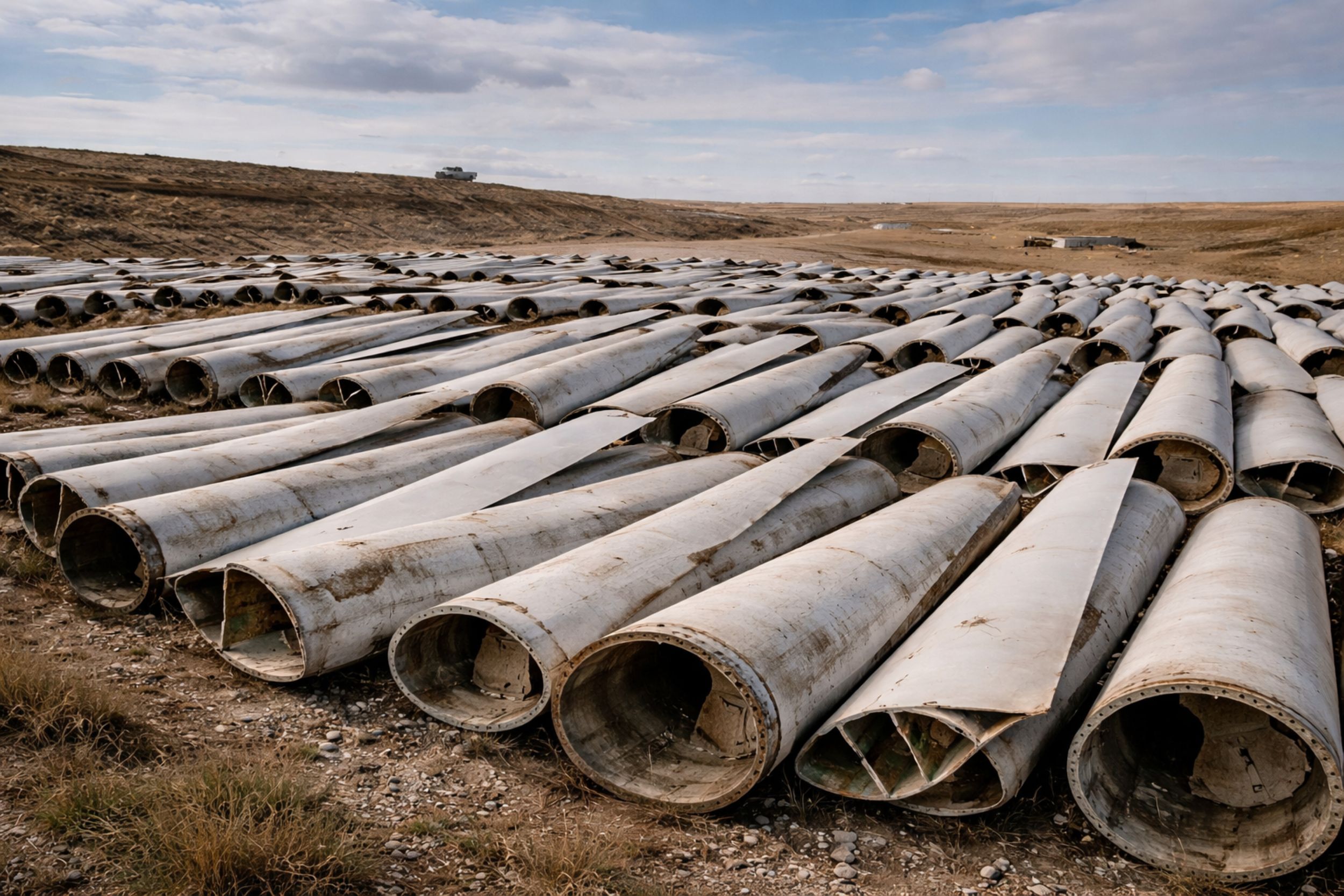
Rotor blades from old wind turbines – the suppressed waste problem of the energy transition
In Germany, there are more than 28,000 onshore wind turbines, and with the age of many of these installations, a previously unresolved wave of waste disposal is looming. Many older wind turbines have lost their feed-in tariffs since 2020. Since new turbines at the same location generate significantly higher yields, replacement is more profitable for…
-

16.5 billion euros for worthless electricity – dispute over wind and solar subsidies escalates
According to the annual statements of the electricity grid operators, €16.5 billion in subsidies flowed to operators of wind and solar power plants in 2025, even though electricity had virtually no market value during many hours, was sometimes given away for free, or could not be generated at all due to grid congestion. The root…
-
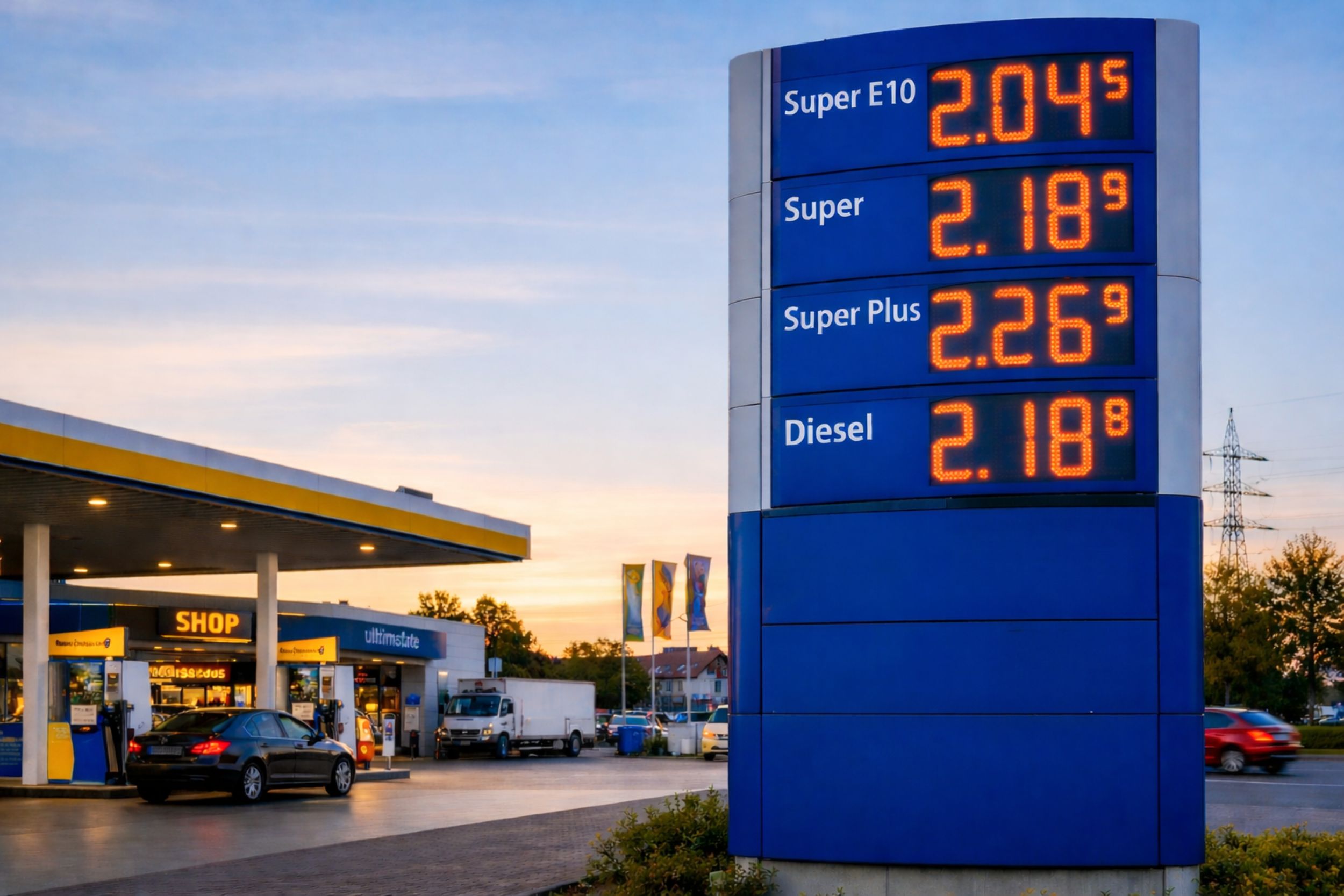
Why the high price of diesel affects not only car drivers but every single household
In Germany, high diesel prices are currently driving up not only costs for drivers but also inflation for food and many everyday goods. The trigger is the noticeable increase in fuel costs, which makes transportation, agriculture, refrigeration, processing, and retail more expensive. The biggest risk factor lies in the duration of the price surge, because…
-
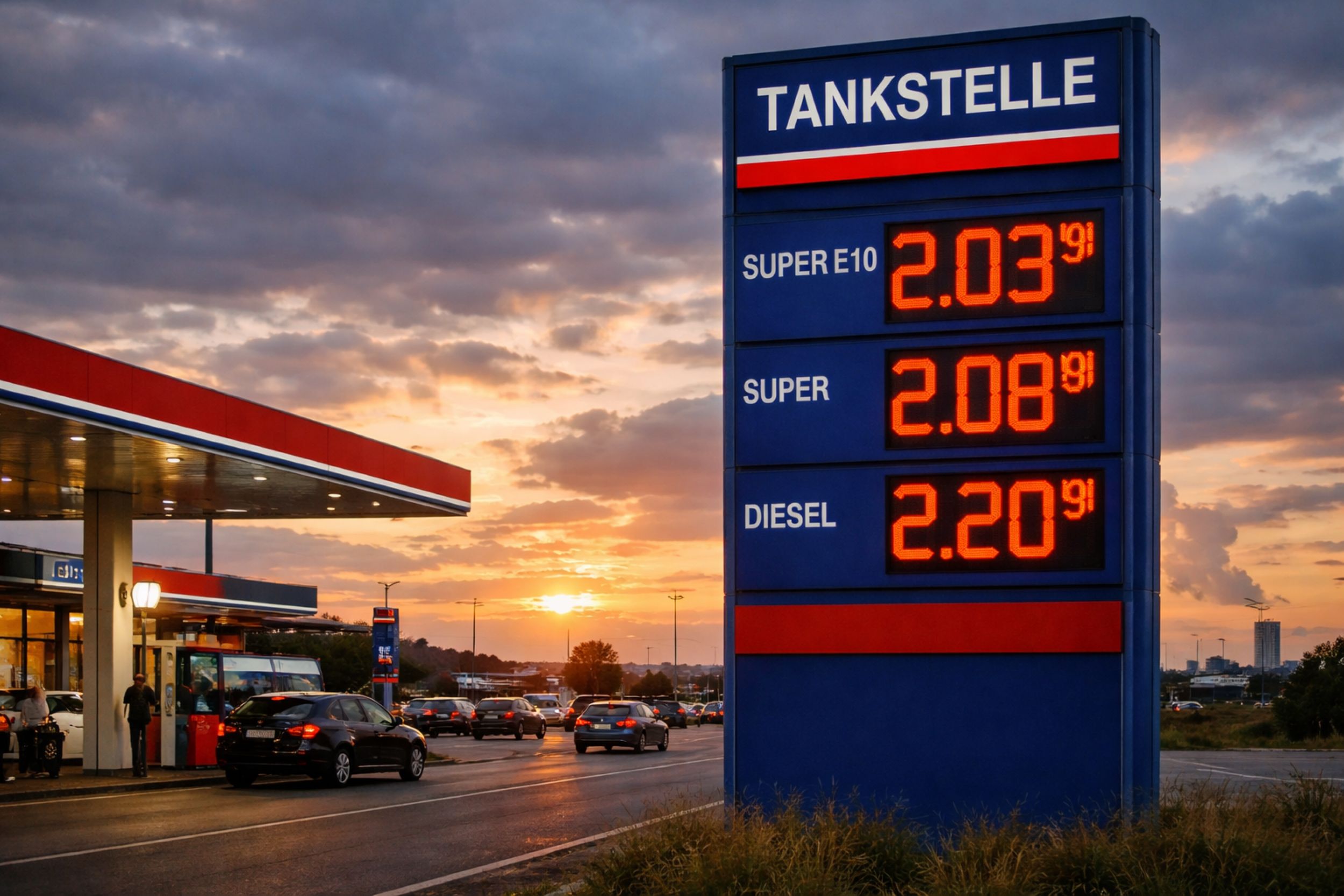
Fuel prices are exploding – Germany is leaving motorists out in the rain
High fuel prices are affecting almost all of Europe. However, government responses vary widely. While Italy, Austria, Slovakia, and Serbia are intervening directly, Germany is sticking to market regulations, price controls, and announcements. In Berlin, the proposed increase in the commuter allowance is now being considered. For many affected individuals, this would only provide relief…
-
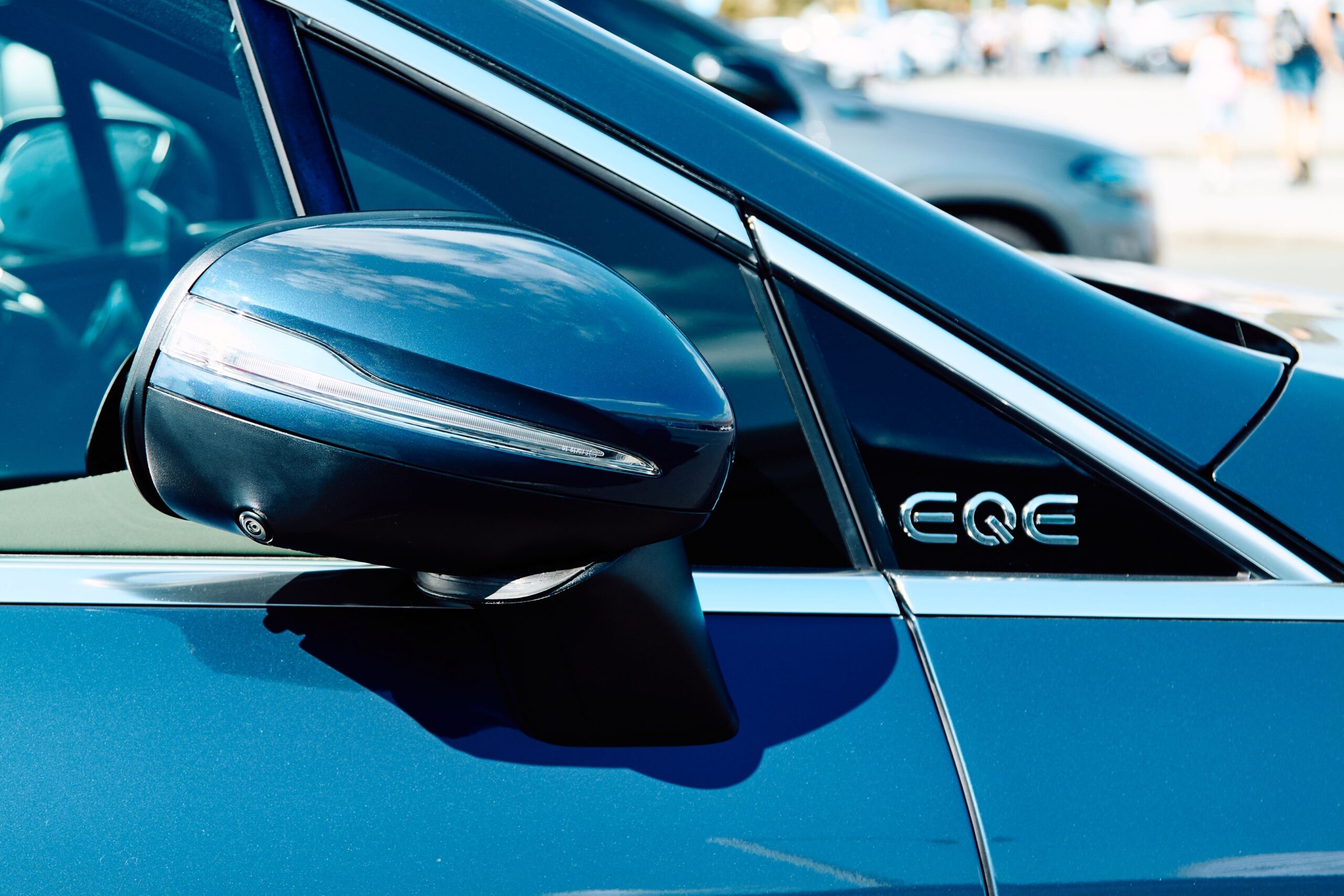
Mercedes: Seven million euro fine after EQE battery fire in South Korea
Following a fire involving a Mercedes EQE in an underground parking garage in Incheon, South Korea, in August 2024, the Korean Competition and Tax Commission (KFTC) has fined Mercedes-Benz approximately seven million euros. The authority accuses the manufacturer of failing to clearly inform buyers and dealers of the EQE and EQS electric vehicles about the…
-
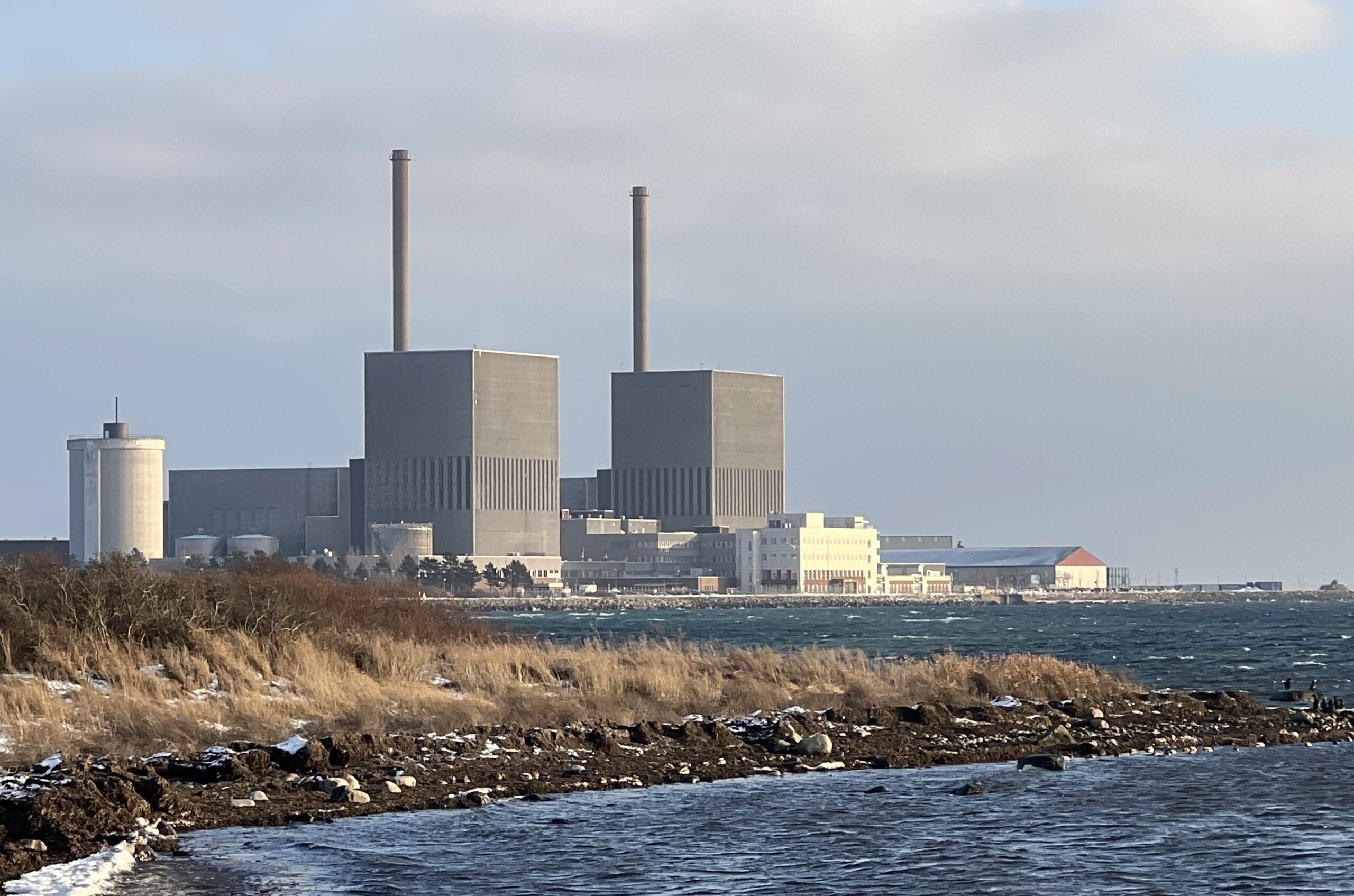
Sweden expands its nuclear program – government considers state participation and new aid for reactors
On March 11, 2026, in Stockholm, the Swedish government further tightened its nuclear policy and commissioned a new study intended to significantly increase the state’s responsibility for the construction of new reactors. This initiative stems from the political plan to accelerate and systematically expand nuclear power, even though no new plants have yet been connected…
-
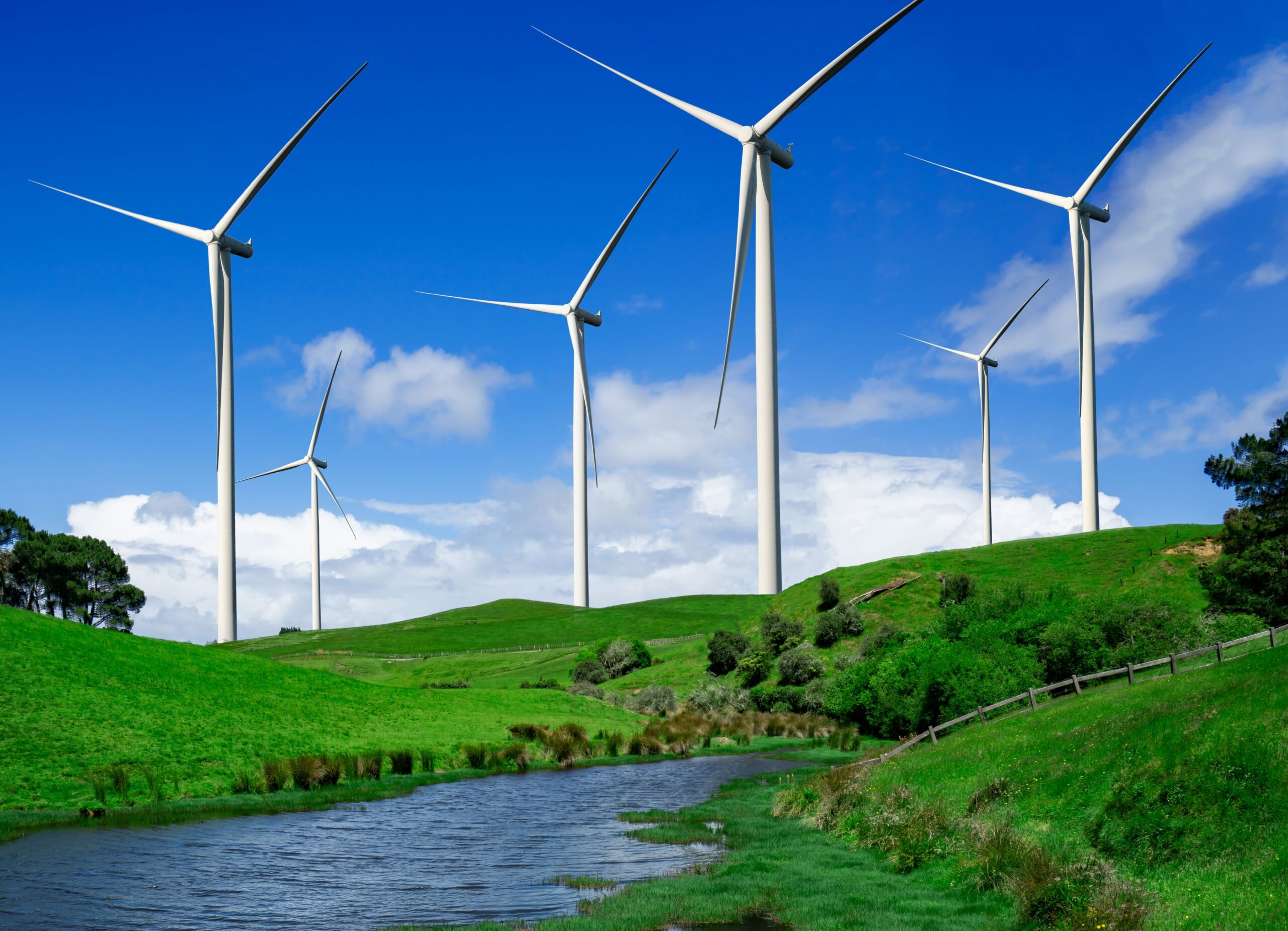
Wind energy plan on the verge of collapse – 6000 objections paralyze proceedings in the Mecklenburg Lake District
In the Mecklenburg Lake District, around 6,000 objections are blocking the evaluation of the new wind energy plan. The regional planning association has been reviewing submissions regarding the draft for new wind energy areas since the end of the public consultation period on December 12, 2025. The public consultation was initially opened in September 2025…