
-

New EV subsidy: Orders for Chinese electric cars see significant increase
Berlin opened the portal for the new electric vehicle subsidy on May 19, 2026. However, the funding applies retroactively to new registrations dating back to the start of the year. Initial dealer figures show particularly strong growth for Chinese electric vehicles. Many of these models from BYD or MG cost between 20,000 and 30,000 euros;…
-
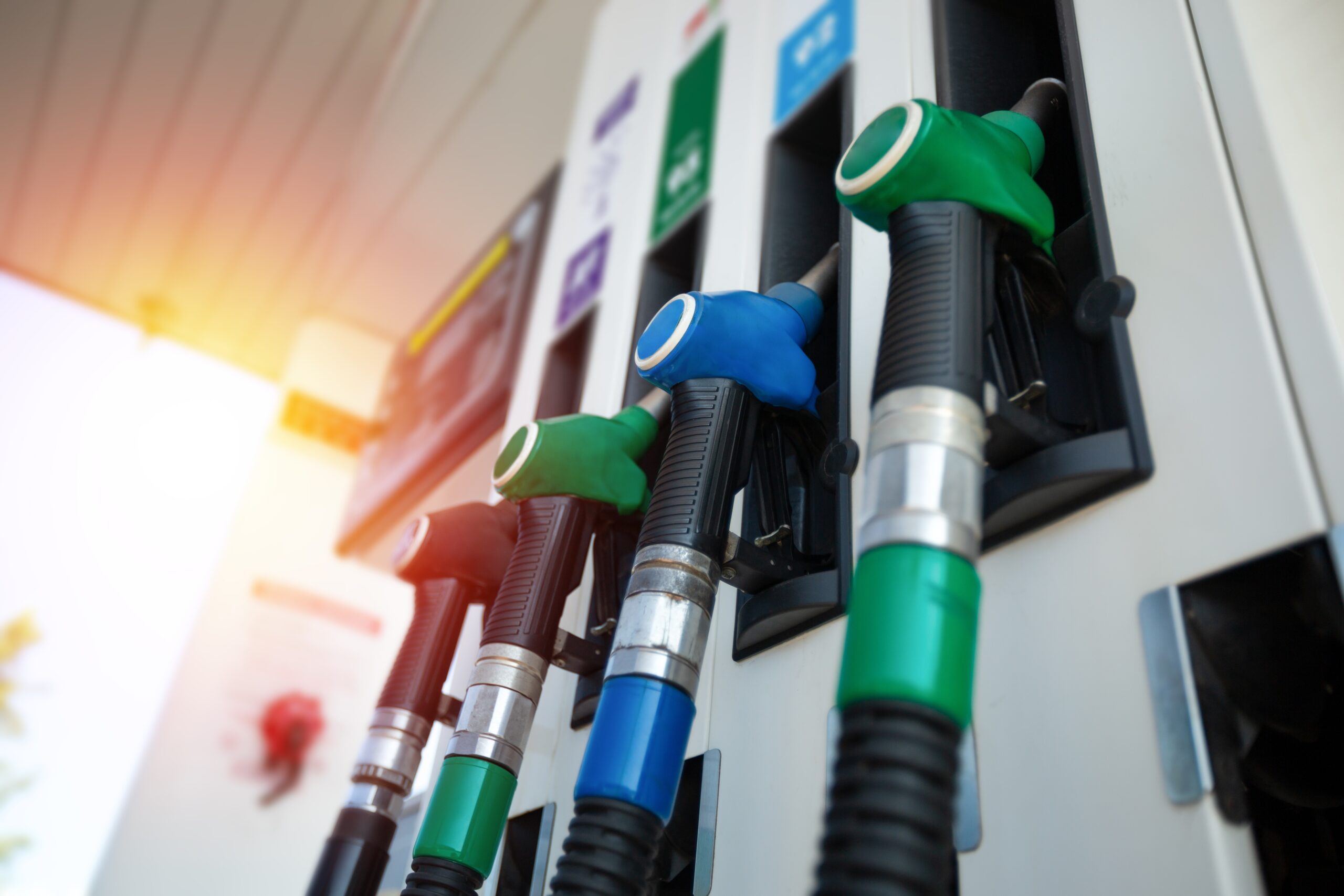
Oil industry expects falling fuel prices – but no return to normal anticipated
The oil industry expects fuel prices to fall following the de-escalation of the conflict with Iran and the prospect of the Strait of Hormuz remaining open. “I would assume that this will now drive prices down,” Christian Küchen, Director General of the industry association Fuels and Energy (en2x), told broadcasters RTL and ntv on Monday.…
-
Corporate insolvencies are rising sharply: the number increased by 15.8 percent in March
Corporate bankruptcies in Germany rose significantly in the first quarter of 2026. Local courts reported 6,275 business insolvencies—an increase of 6.5 percent compared to the same quarter of the previous year. In March alone, the number of insolvencies climbed by 15.8 percent to 2,308 cases. The transport, hospitality, and construction sectors were particularly affected. At…
-

Deindustrialization is gaining momentum – the government has no effective response
A commentary by our author Klaus Bastian Deindustrialization in Germany is gathering further momentum in June 2026. Volkswagen expects 19,000 departures at its German sites by the end of the year. Gardena is cutting 250 jobs and relocating parts of its production to the Czech Republic. JUWI is also eliminating 280 positions. Zeiss is planning…
-
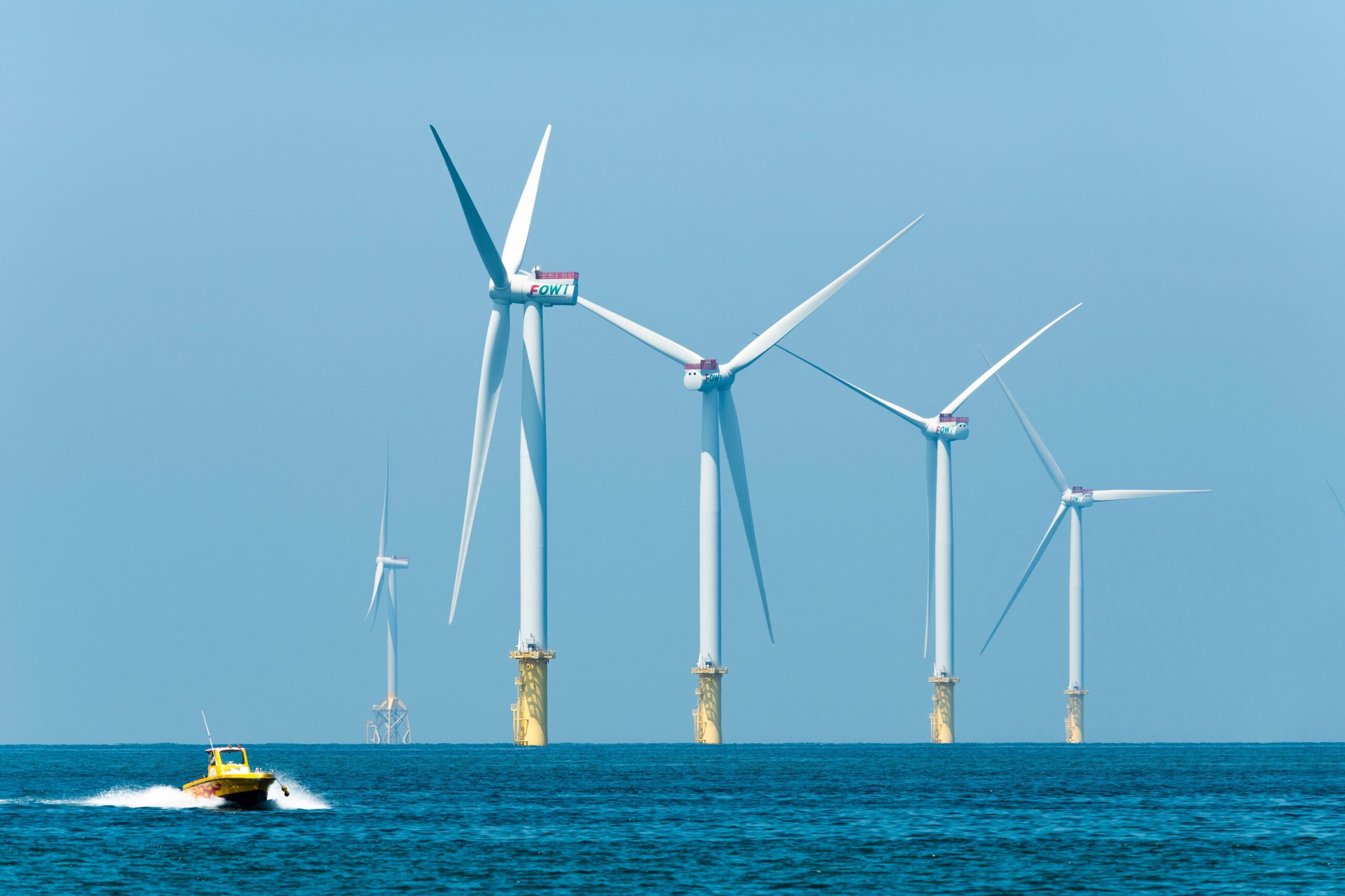
Revenue risks in wind power: Offshore expansion faces costs, grid issues, and uncertain electricity yields
In June 2026, the conflict surrounding the expansion of wind power in Germany and the North Sea is intensifying as major projects become more expensive, grid connections stall, and yield risks necessitate new financial calculations. This situation is driven by rising financing costs, supply chain issues, and lowered expectations regarding large offshore clusters. Nevertheless, Germany…
-
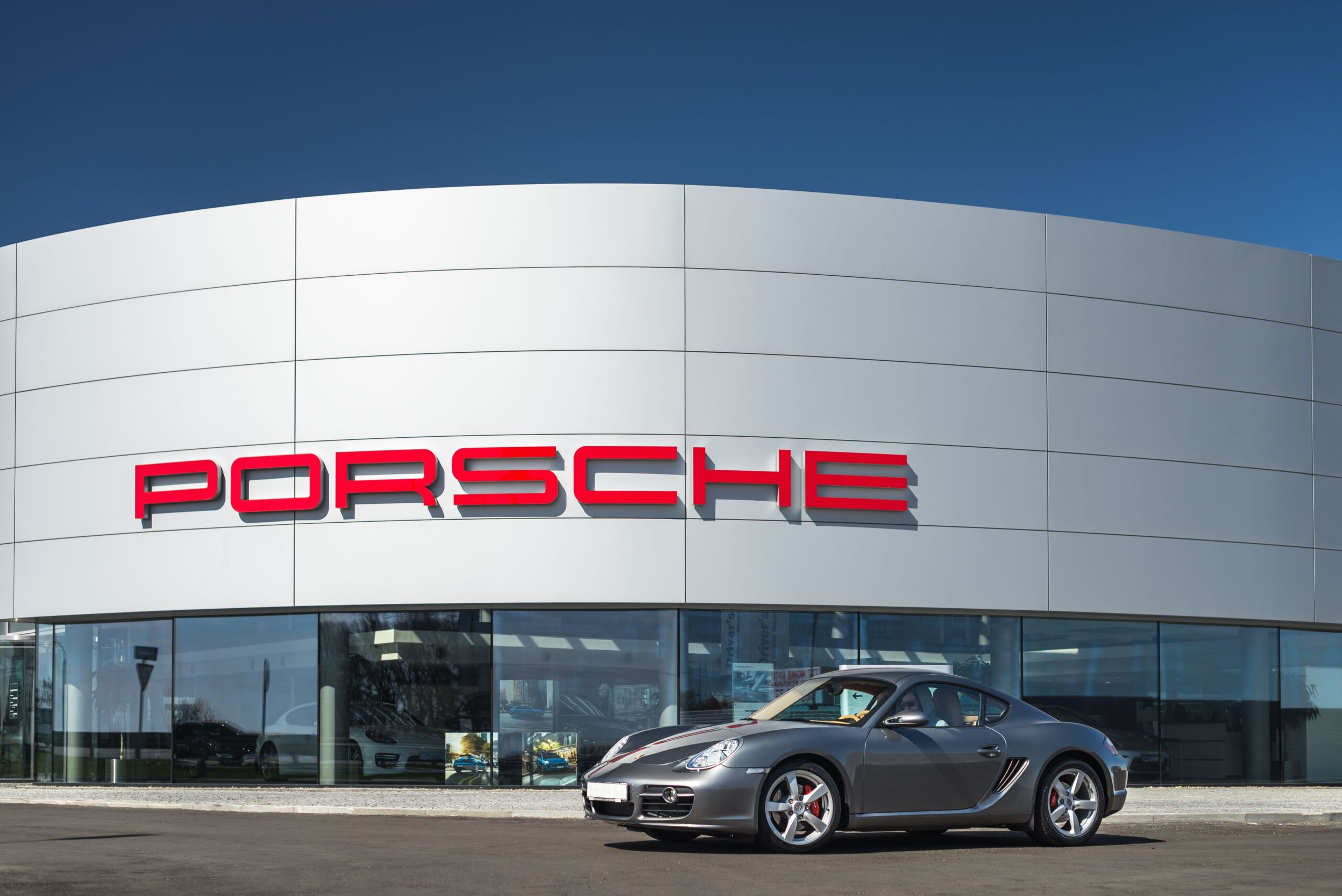
Porsche cuts 200 jobs at Leipzig plant: Slump in profits hits flagship Saxon factory
Porsche plans to cut around 200 permanent jobs at its Leipzig plant by the end of August 2026 as the sports car manufacturer reduces costs following a slump in sales and a massive drop in profits. The company is relying on voluntary separation agreements with severance packages, while the employment guarantee extending to 2030 remains…
-
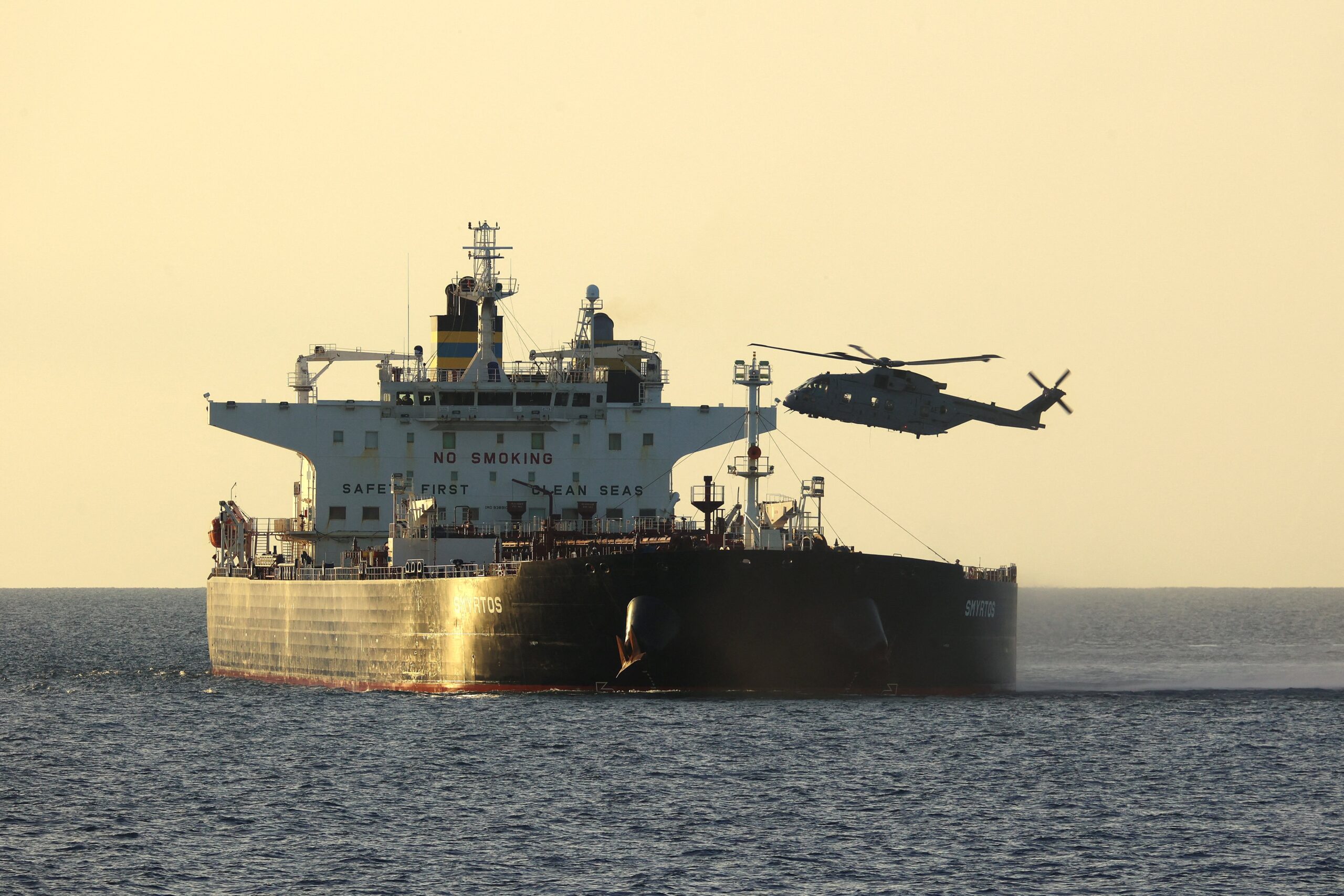
Great Britain detains Russian oil tanker in the English Channel
According to the government, Great Britain intercepted an oil tanker belonging to the Russian “shadow fleet” in the English Channel on Sunday. “In the first operation of this kind under British leadership, the vessel Smyrtos was stopped and inspected by Royal Navy commandos and specially trained security personnel from the National Crime Agency,” the Ministry…
-
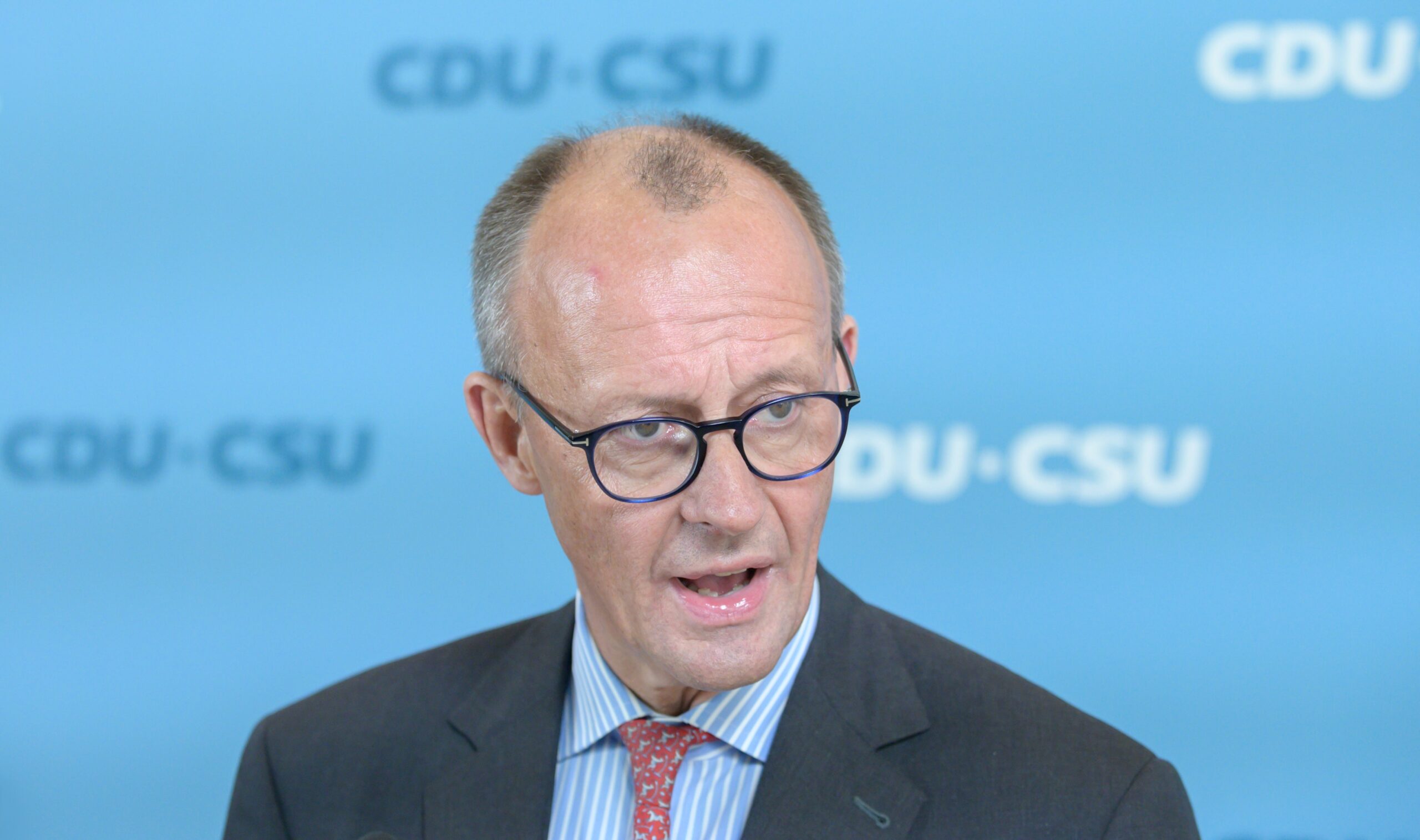
Latest economic summit ends without result: Germany slips into recession
On Wednesday evening, the federal government held another economic summit that yielded no concrete decisions, even as Germany’s economic situation continues to deteriorate. Chancellor Friedrich Merz, coalition leaders, employers, and trade unions spent more than three hours discussing social reforms, income tax, labor law, and the reduction of red tape. The meeting was prompted by…
-
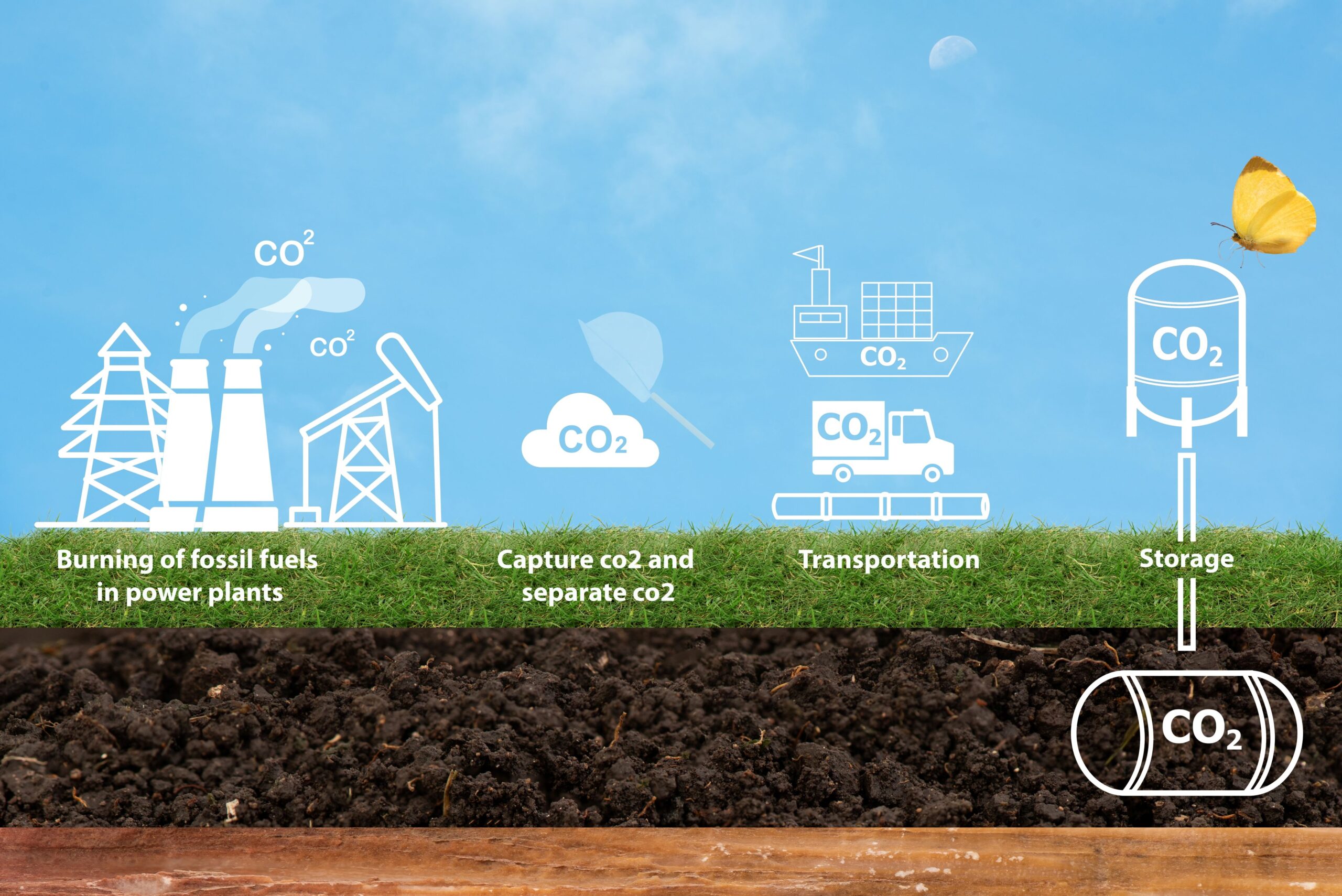
CCS project in Norway significantly misses climate target
Heidelberg Materials’ CCS project in Brevik, Norway, has clearly missed its key climate target since launching in June 2025. The facility was designed to capture around 400,000 tonnes of CO2 annually from the cement plant, thereby avoiding approximately half of its previous emissions. In reality, however, current data shows that emissions fell by only about…
-
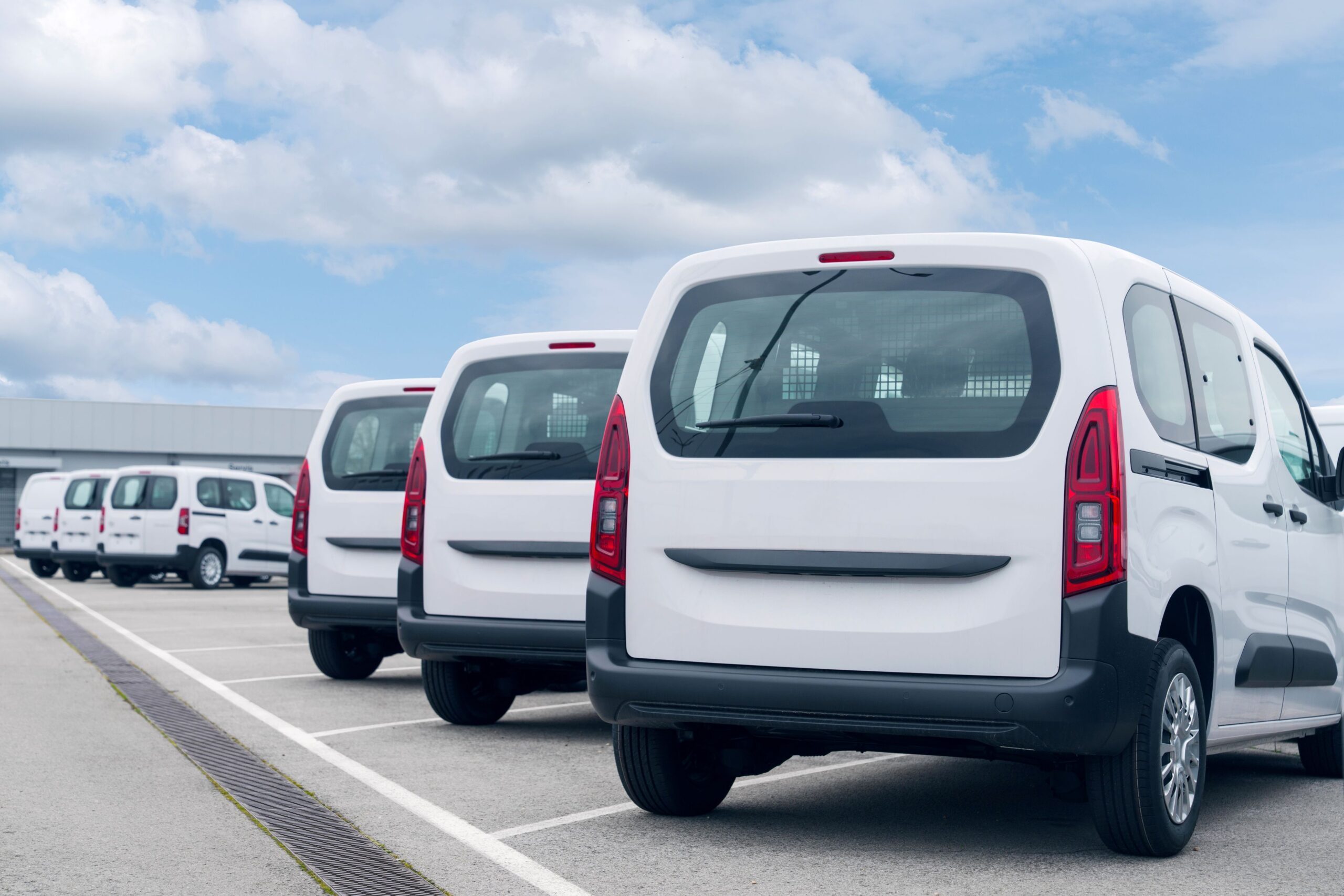
Nextmove insolvent: EV rental company’s van strategy fails; restructuring required
Nextmove, an electric vehicle rental company based in Arnstadt, Thuringia, has been undergoing restructuring under self-administered insolvency proceedings since June 1, 2026. The Erfurt District Court opened the proceedings after the company had been deemed insolvent since April 7. The situation was triggered by payment difficulties in the first quarter of 2026; the business model…
-
Pfizer reviews investments in Germany due to healthcare reform
The pharmaceutical company Pfizer is reviewing its investments in Germany in light of the federal government’s planned healthcare reform. In a letter to Chancellor Friedrich Merz, CEO Albert Bourla criticized new pricing rules for medicines. The move was prompted by legislation designed to stabilize health insurance contributions; the law aims to curb spending within the…
-
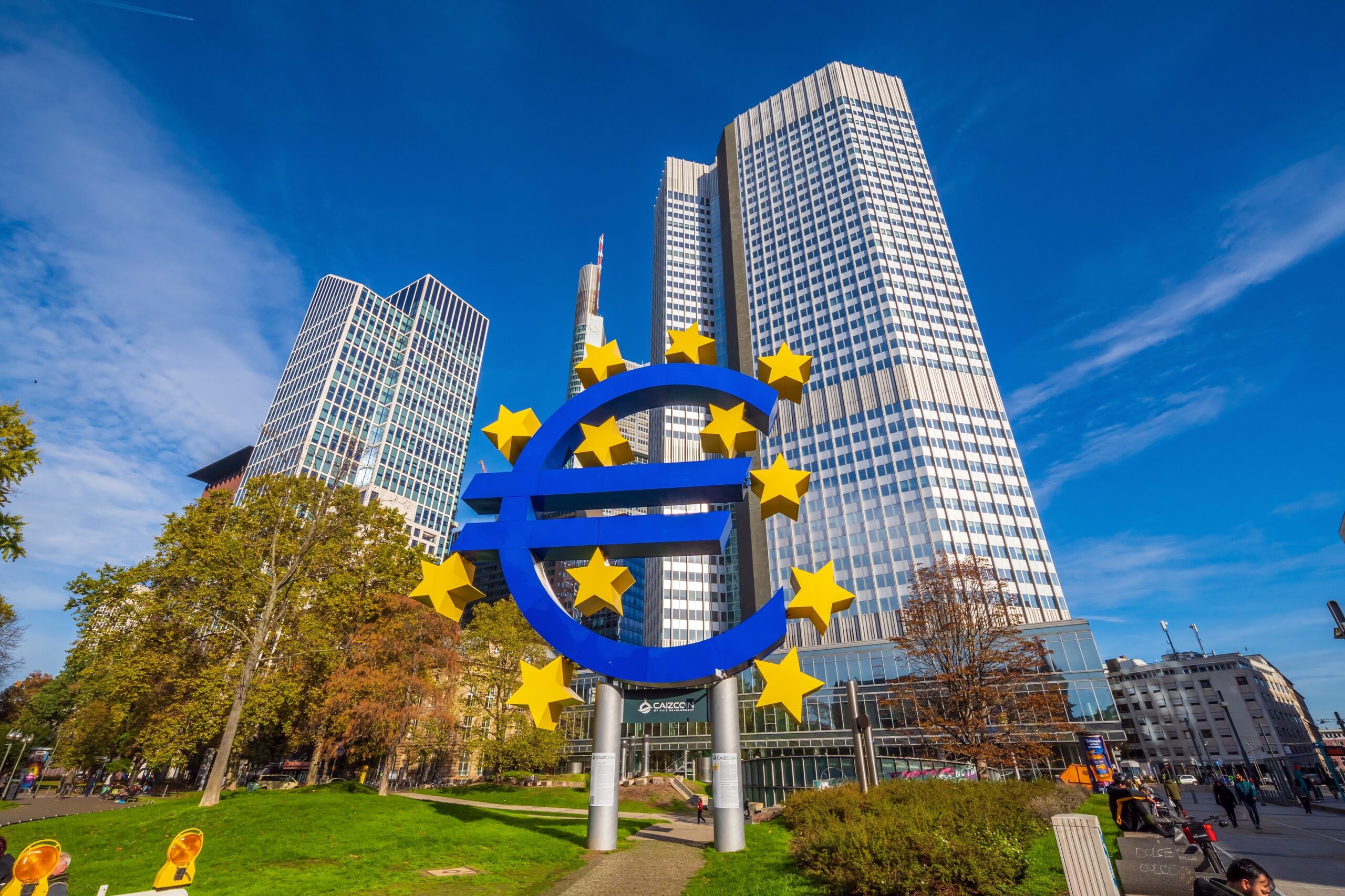
ECB raises key interest rate: Higher rates hit loans, government budgets, and growth
On Thursday in Frankfurt, the European Central Bank raised its key interest rate by 0.25 percentage points, as energy prices and inflation are once again rising sharply following the war involving Iran. The deposit rate is rising to 2.25 percent, making loans more expensive for consumers, businesses, and governments. The decision comes at a time…
-
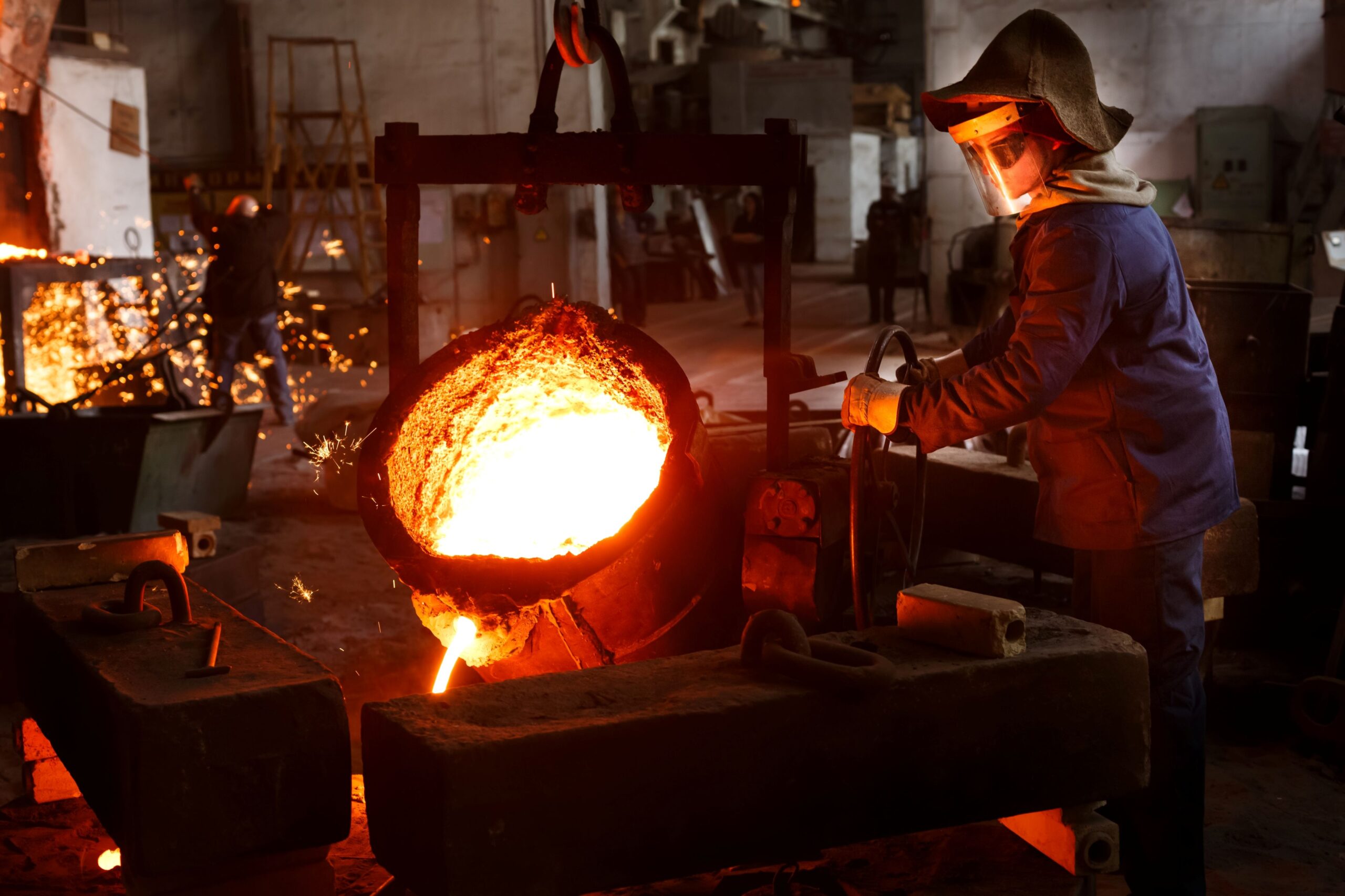
German foundries are losing their foundation: High electricity prices threaten a key industry
In June 2026, the crisis facing German foundries is intensifying as high electricity prices, rising CO₂ costs, weak order volumes, and bureaucracy place an overwhelming economic burden on many companies. These 545 enterprises supply components for machinery, vehicles, ships, energy systems, and electrical engineering; consequently, this situation affects more than just individual plants—it impacts supply…
-
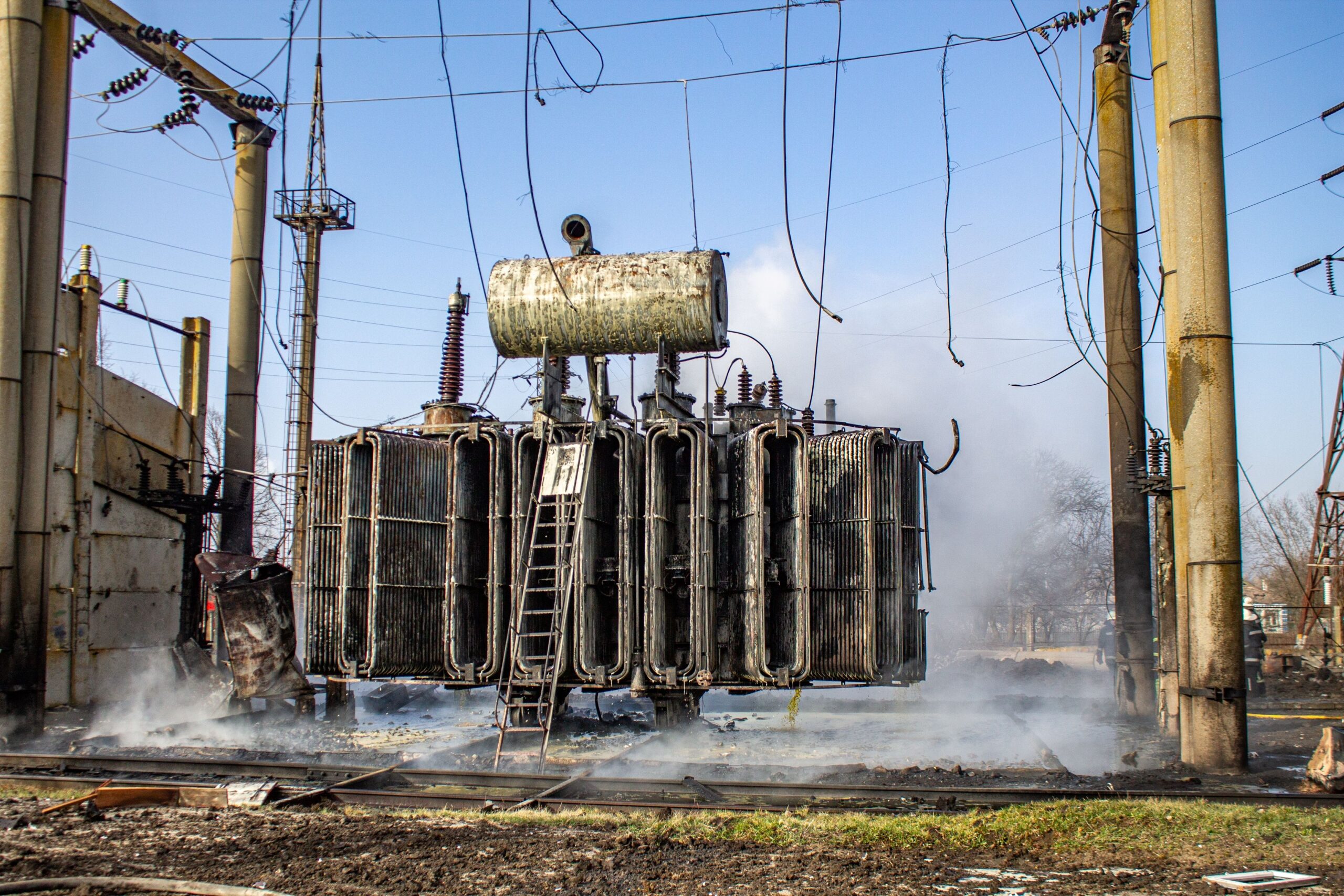
Far-left link in Reutlingen: Striking parallels to the Berlin blackout
In Reutlingen, an arson attack on the Reutlingen-West substation triggered a widespread power outage during the night leading into Monday, June 8, 2026. According to state authorities, multiple fires broke out on the premises at approximately 1:43 a.m. Investigators later discovered evidence of accelerants. Consequently, they are investigating the incident as a case of arson…
-
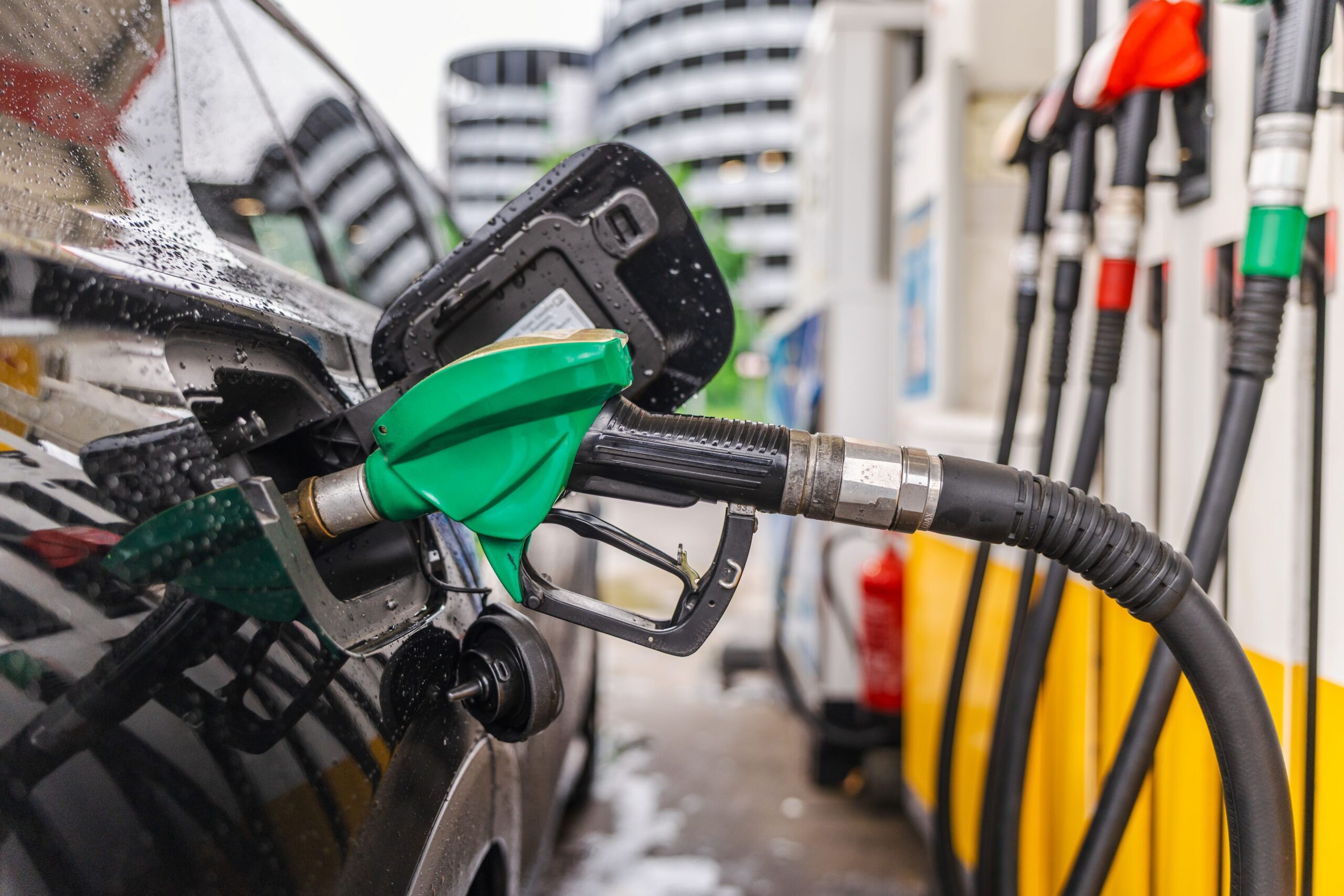
Oil companies under fire: The state still collects the most from fuel
In Germany, motorists are paying nearly 1.90 euros per liter for Super E10 or diesel in June 2026, despite a temporary tax cut. The federal government criticizes oil companies for potential windfall profits, even though the state itself—through energy taxes and VAT—receives the largest share of the final price. This situation is driven by high…