
-

Feed-in tariffs are set to fall from 2027 – why private solar roofs are suddenly becoming a risk
The fixed feed-in tariff has made solar expansion on German rooftops predictable. This safety net for new solar installations is set to disappear in 2027. Economics Minister Katherina Reiche (CDU) and Environment Minister Carsten Schneider (SPD) are announcing contracts for difference (CfDs) as a replacement. At the same time, EU approval for the current solar
-

Breakthrough in synthetic kerosene – microbes produce 36 times more fuel
Aircraft need energy-dense fuels, which is why batteries will play a minor role for the foreseeable future. Research is searching for alternatives to petroleum-based kerosene. Now, teams at the Joint BioEnergy Institute (JBEI) have reported a breakthrough: They are cultivating microbes that produce precursors for aviation fuel in the laboratory up to 36 times more
-
Neustadt in Holstein – 10,000 people affected by power outage lasting several hours
Neustadt in Holstein experienced a power outage lasting several hours on February 2, 2026. Daily life was abruptly disrupted. Large parts of the town were affected, as well as Pelzerhaken and Rettin. Up to 10,000 residents were left without electricity. Anyone who wanted to pay, work, or communicate suddenly encountered limitations. (welt: 02.02.26) Neustadt in
-
ADAC after fuel price interview: Resignation following wave of cancellations – but the future course remains unclear
At the end of December 2025, ADAC’s transport president, Gerhard Hillebrand, described CO₂ pricing as “the right instrument” and spoke of it as an “incentive” for switching to electric vehicles through higher fuel prices. Following this, the club reported a flood of complaints, leading to a wave of membership cancellations. Reports indicate that around 60,000
-

Wind power project developer Abo Energy in crisis – shares plummet over 80 percent
Wind power project developer Abo Energy is plummeting on the capital markets, resulting in substantial losses for investors. The company’s 2024 listed bond is now trading at only about 16 percent of its face value, effectively reducing the market value of many positions by more than 80 percent. Those forced to sell are realizing significant
Blackout News on Social Media
-
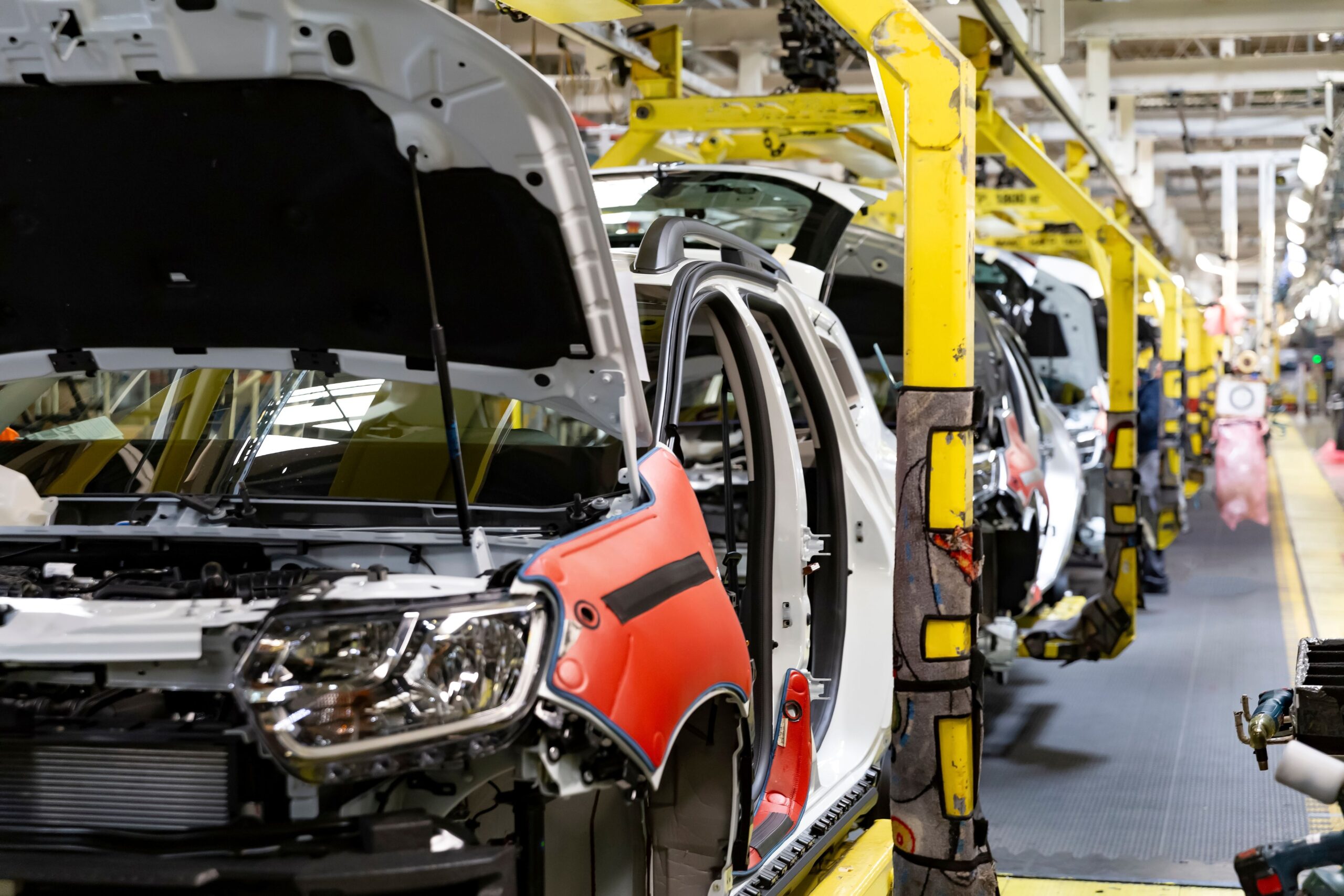
Germany is losing its automotive industry – once manufacturing migrates, it never comes back
The decline of the German automotive industry isn’t coming with sirens, but with briefcases. The diagnosis is brutal: The auto industry is losing its core business – and much faster than many believe. This is evident in factory closures, bankruptcies, and slashed development budgets. There’s a point where all sugarcoating ends: Once production has moved
-
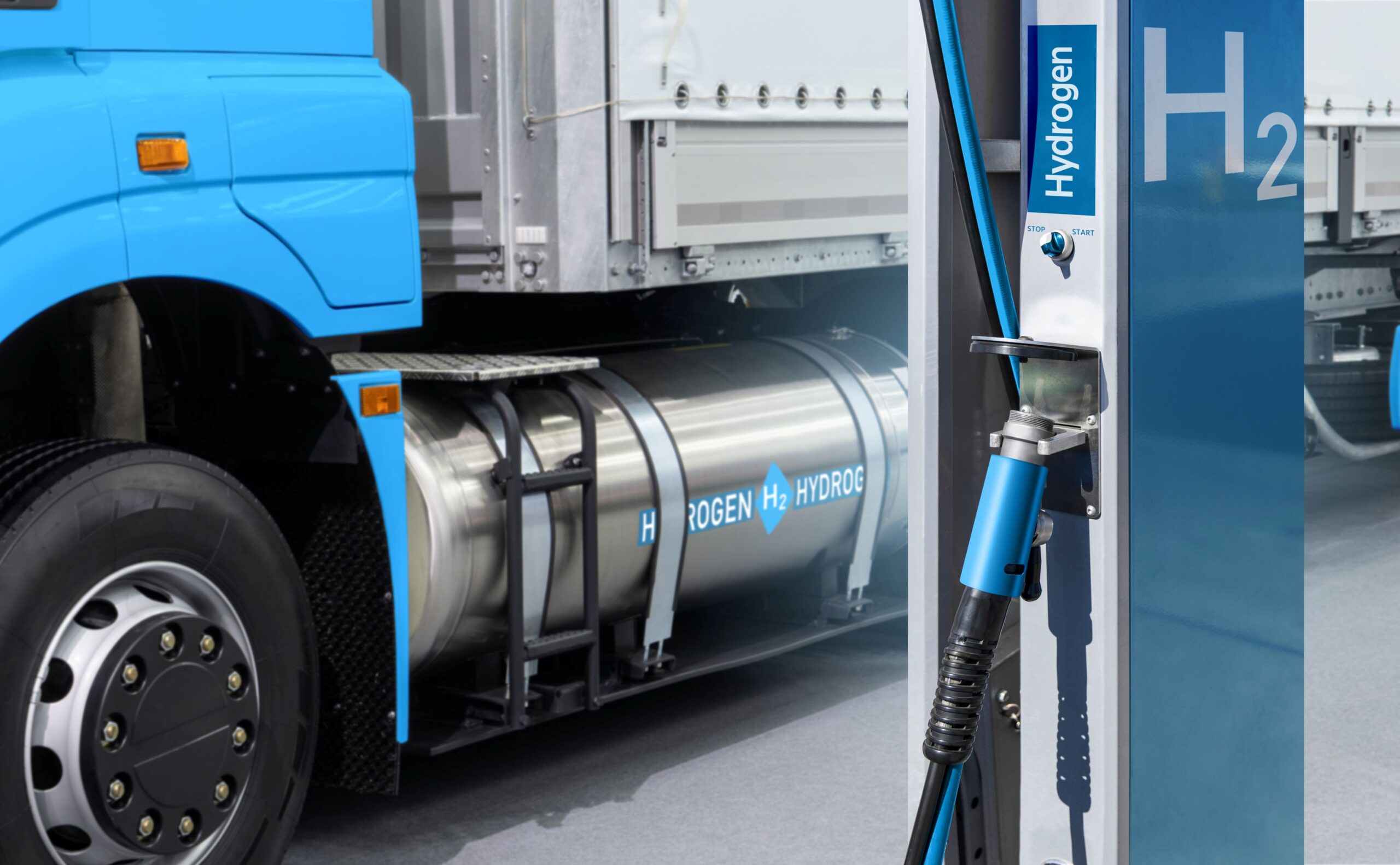
Following bankruptcies and shutdowns – the federal government is pumping 220 million euros into hydrogen trucks and filling stations
The German government is launching a new funding program for hydrogen refueling stations and hydrogen-powered trucks, with €220 million allocated for this purpose. The program aims to support up to 40 stations and up to 400 trucks. However, the reality in Germany paints a different picture, as numerous projects have failed due to a lack
-
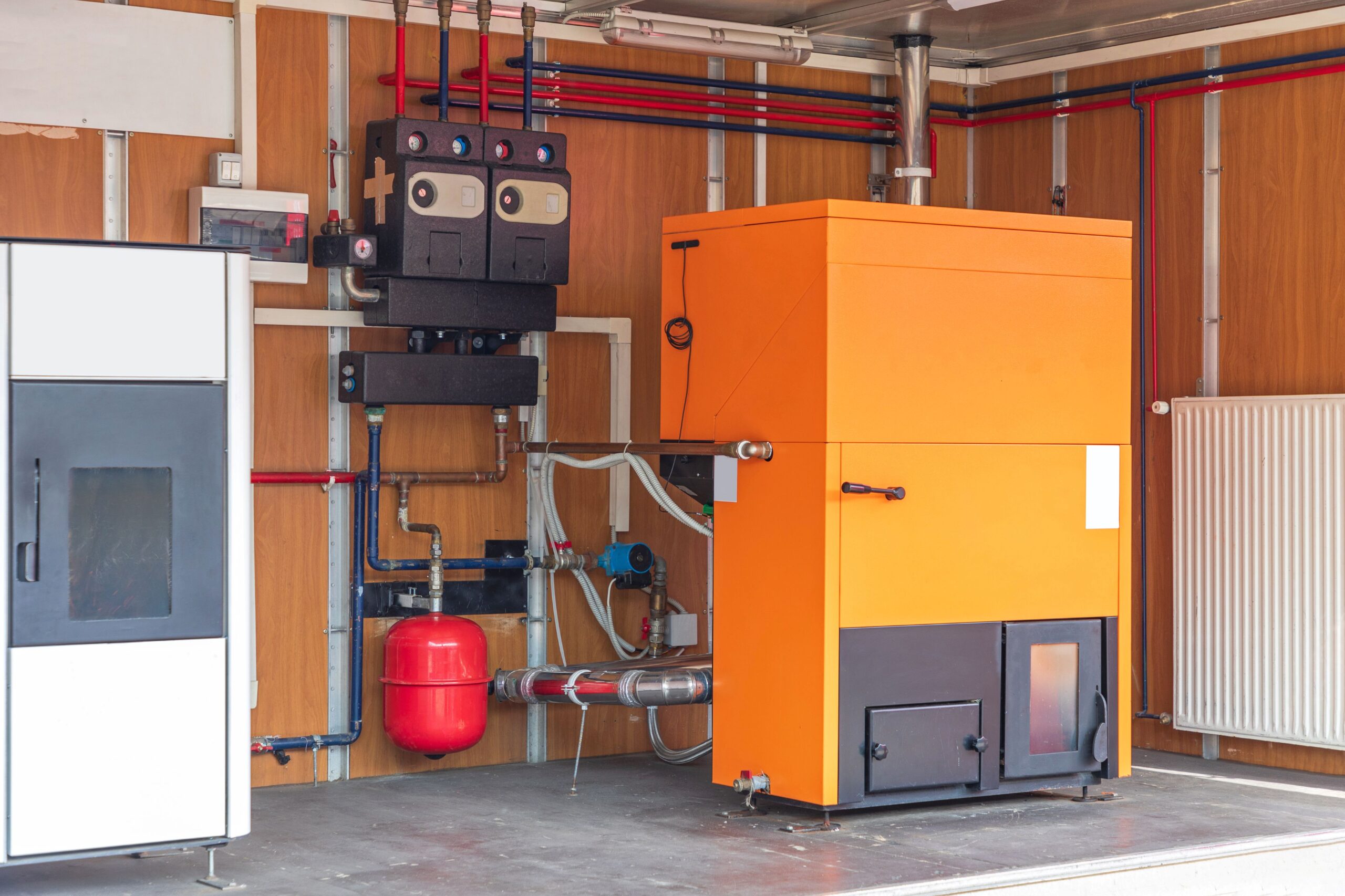
Heating market at a standstill: Job cuts at manufacturers – customers boycott purchases
The heating market is currently in a paralyzing hold-up mode, and this is also affecting manufacturers. Several companies have already reacted with short-time work or job cuts due to a lack of orders. In 2025, sales fell to 627,000 heating units, the lowest level since 2010. Customers are deeply unsettled by the political maneuvering surrounding
-
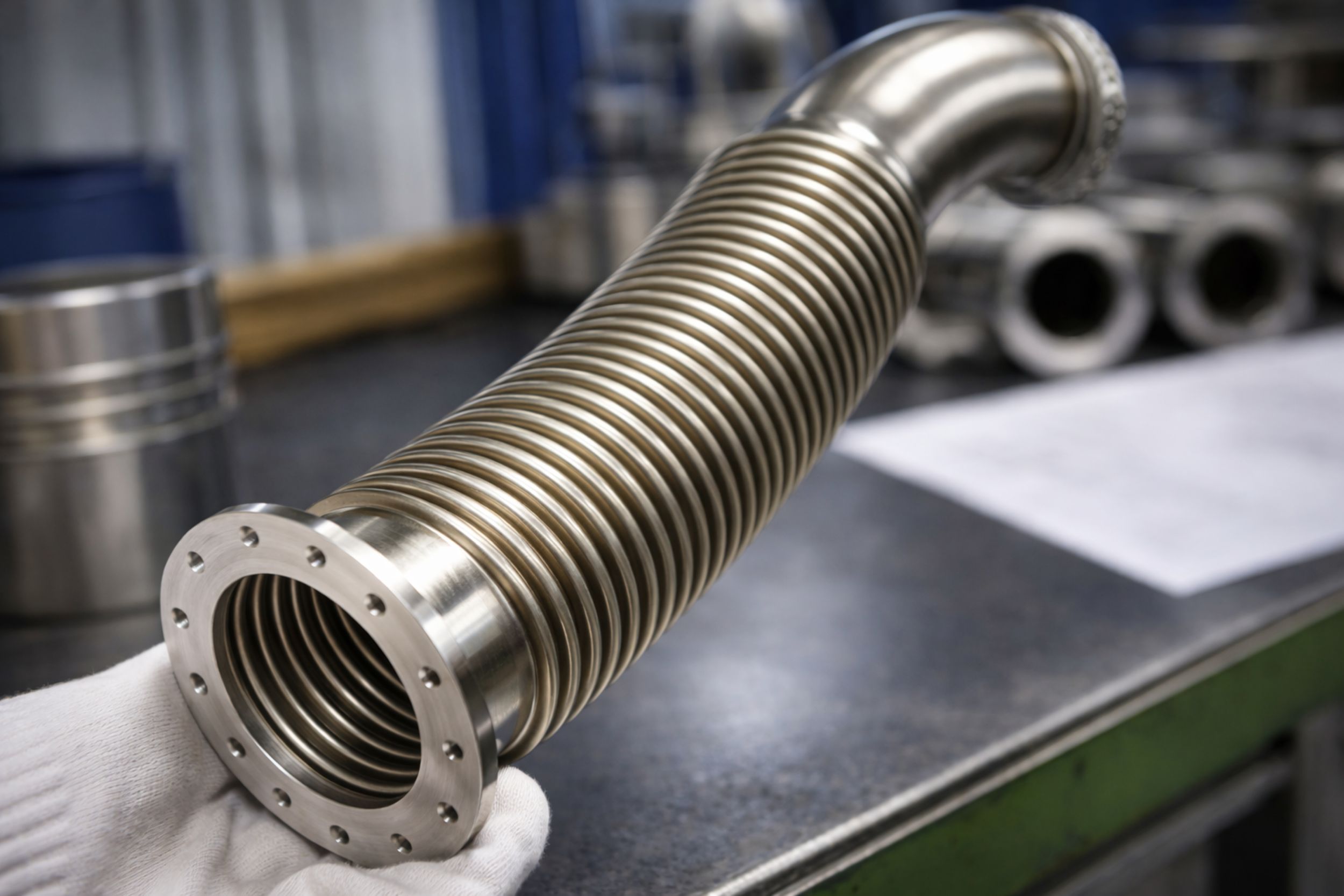
Pforzheim faces drastic changes – Witzenmann to cut 230 jobs
The Witzenmann Group, a manufacturer of flexible metal hoses, expansion joints, and piping systems for industrial and automotive applications, plans to cut approximately 230 jobs in Pforzheim. The company’s management negotiated with the union and works council to ensure that layoffs remain the exception. The Pforzheim site also includes Kieselbronn and Remchingen, where 1,650 employees
-
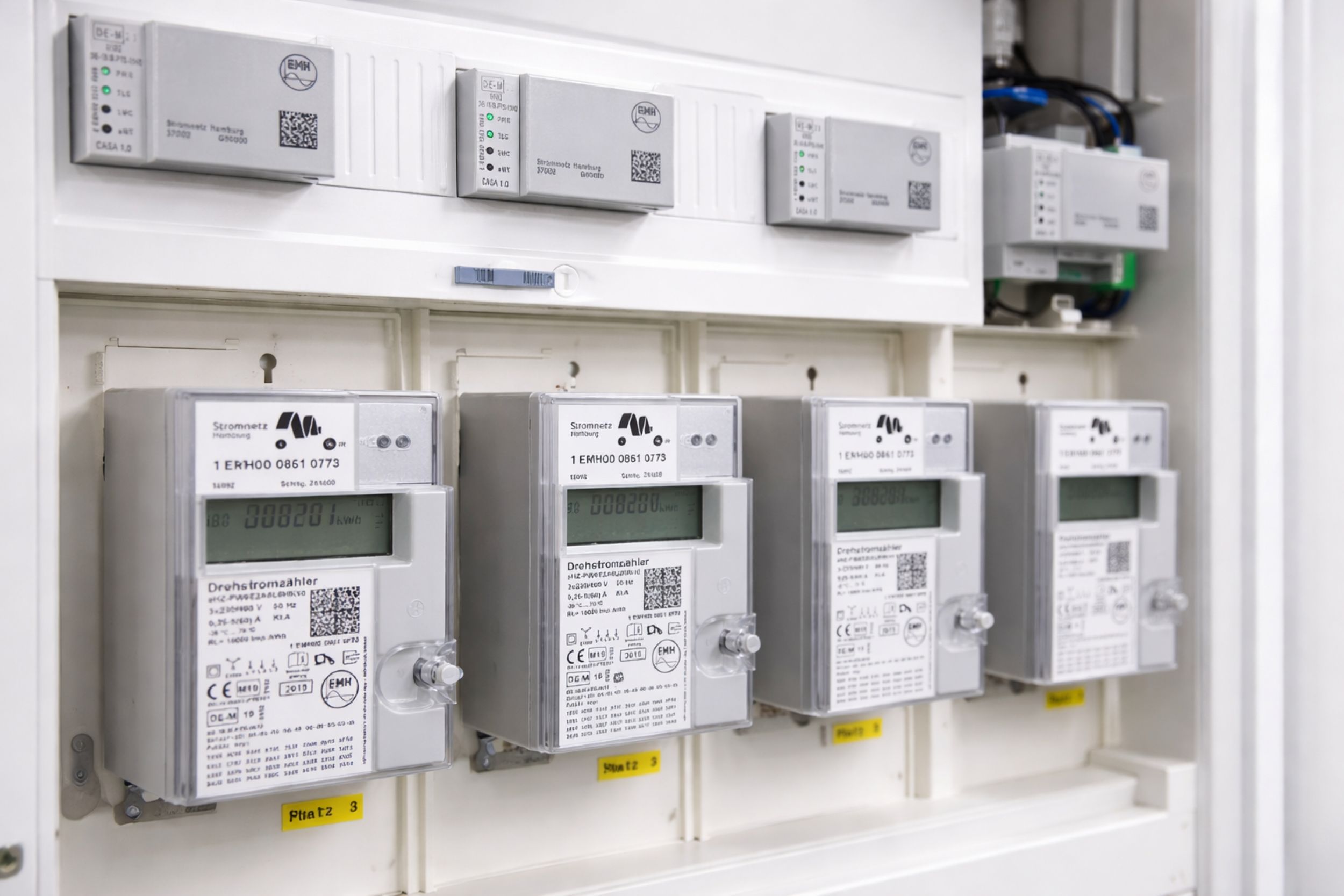
Smart meter – for many customers, the trouble only begins after installation
A smart meter in the meter cabinet sounds like a modern electricity market. However, for many customers, this is followed by frustration because usable meter readings are missing. Market communication is often disrupted, and the metering point operator doesn’t forward data promptly. Dynamic electricity tariffs then cannot be billed correctly. Konrad Schade, Chief Commercial Officer
-
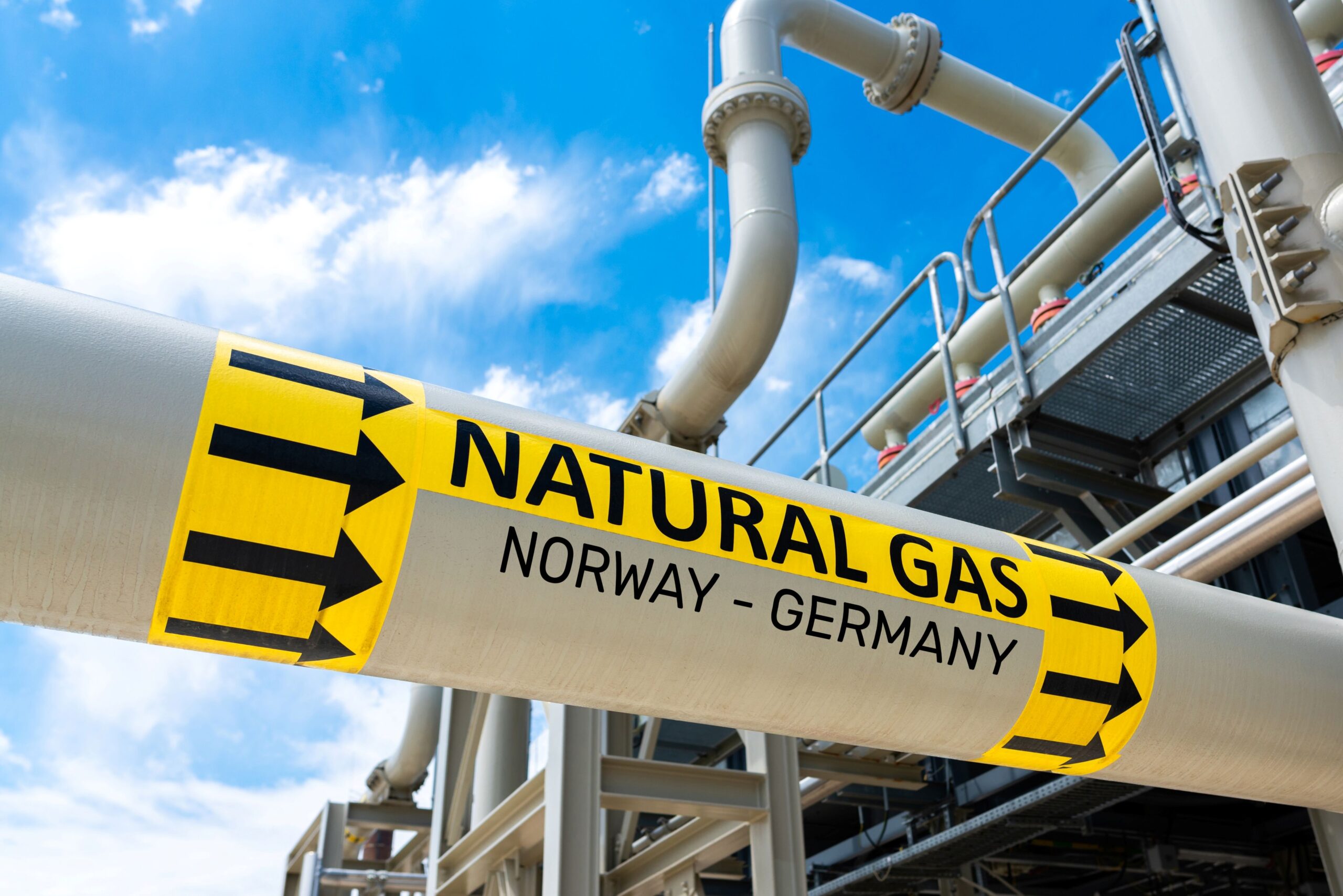
Gas shortage – the situation is becoming increasingly critical
The energy situation in Germany is worsening, and the risk of a gas shortage is increasing noticeably. On January 30, 2026, German gas storage facilities were at approximately 32.75% capacity, corresponding to about 82.3 TWh of stored energy. This level is close to the legally mandated minimum of 30% by February 1. This is critical
-
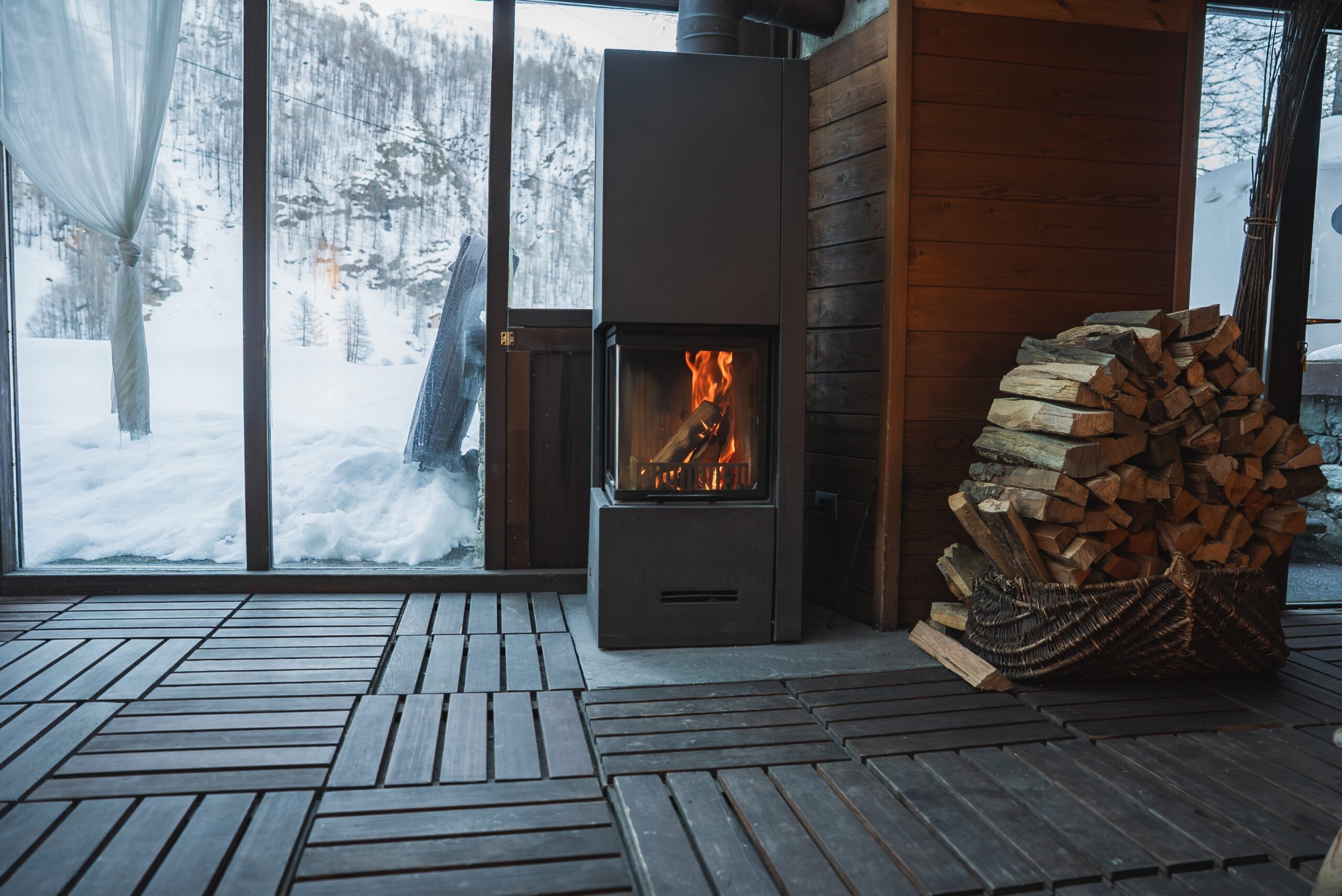
Fireplace as backup – Norway’s building regulations stipulate a second heating option in case of power outage
In Norway, around 73 percent of households heat with electricity. This makes many buildings vulnerable during a blackout. During prolonged power outages, the heat supply quickly collapses. Therefore, Norway’s building code TEK17 mandates that new buildings must have a chimney specifically designed for the later installation of a non-electric heating appliance. Chimney requirement provides backup
-
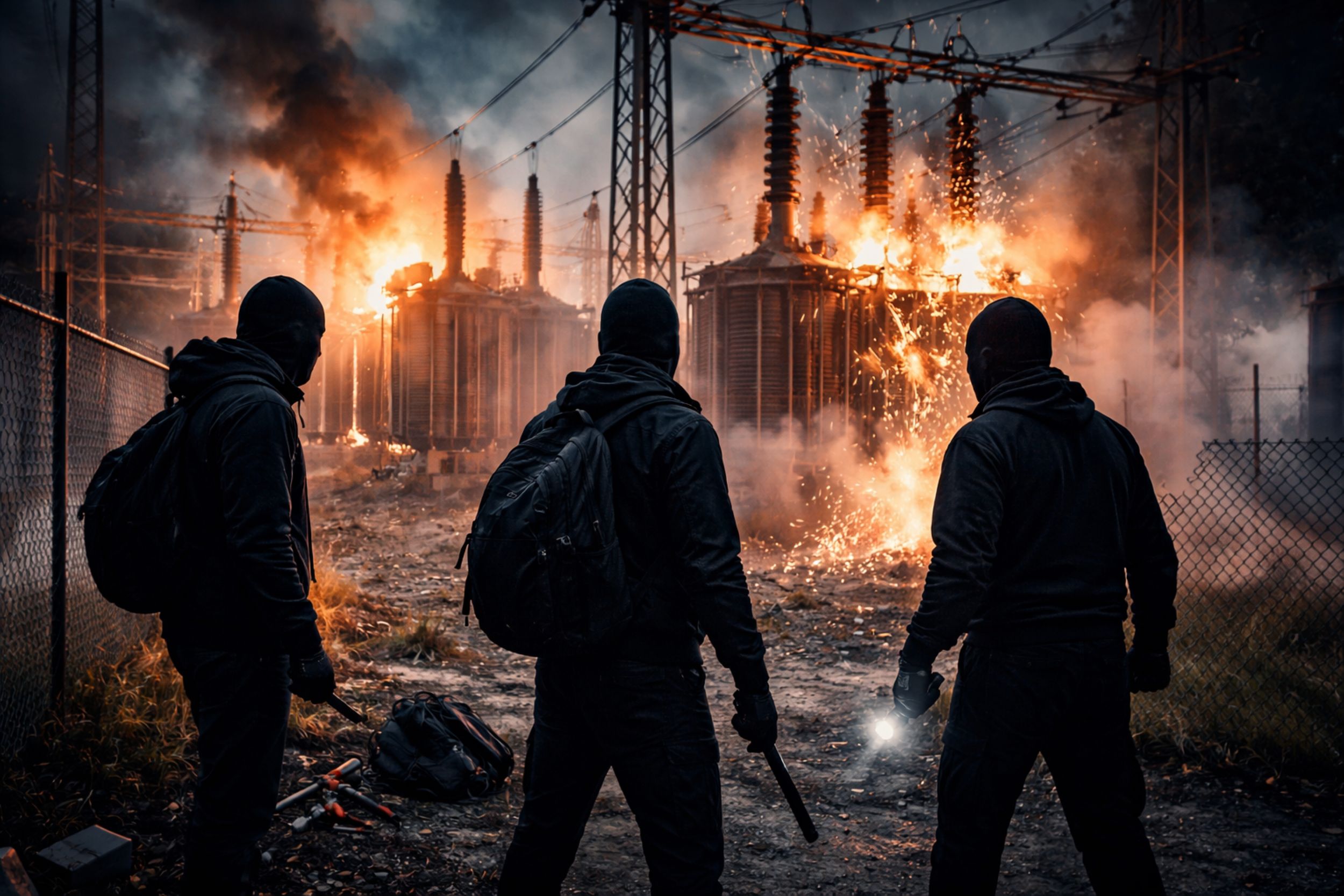
After terrorist attack in Berlin: Federal government does not know critical nodes in the power grid
The terrorist attack on a cable bridge in southwest Berlin led to a widespread power outage. Repairing the damaged connection took several days. During this time, numerous residents in Steglitz-Zehlendorf had to manage without electricity, and in many places, the heating also failed. Because the attack struck a central connection in Berlin’s power grid, the
-

Home storage systems in focus – Federal Network Agency plans new mandatory network charges
The Federal Network Agency plans to make battery storage systems contribute to grid costs in the future, thereby calling into question a key exemption rule. This could also affect home storage systems, even though they are significantly smaller than large-scale systems. Until now, newly installed, grid-connected storage systems were exempt from grid fees for 20
-

Deindustrialization is in full swing – corporations are fleeing to Eastern Europe en masse
In Germany, factories are closing while corporations are building new capacities in Eastern Europe. This no longer just affects suppliers or individual locations. Even large DAX-listed companies are relocating production and investments. As a result, jobs, supply chains, and industrial know-how are gradually migrating away. Hungary is attracting the most companies. (berliner-zeitung: 29.01.26) DAX-listed companies