
-

$345 million in damages – Greenpeace faces bankruptcy after US ruling
A court in the US state of North Dakota on Friday ordered Greenpeace to pay $345 million in damages for protests against the Dakota Access Pipeline. The lawsuit stemmed from a complaint filed by the pipeline’s operator, Energy Transfer, regarding actions taken in 2016 and 2017 around the more than 1,700-kilometer-long pipeline, which runs through
-
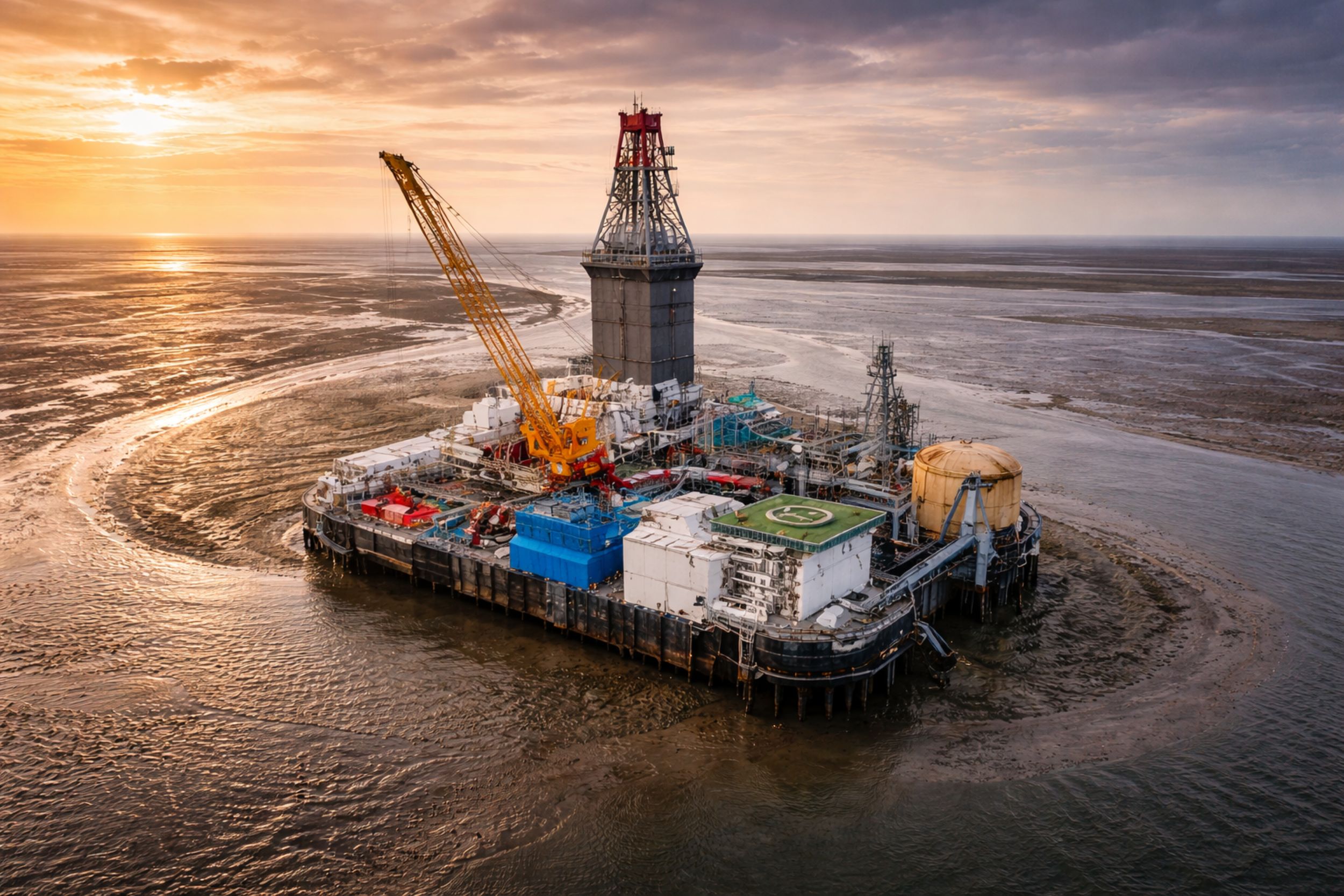
DUH forces a halt to production on the German oil drilling platform Mittelplate
In the Schleswig-Holstein Wadden Sea, the Schleswig-Holstein Administrative Court has issued an injunction against oil production on the Mittelplate oil drilling platform, brought by the German Environmental Aid Association (DUH). The production halt is effective immediately. According to the court, the reason is the lack of an enforceable production permit, as a mandatory biennial inventory
-
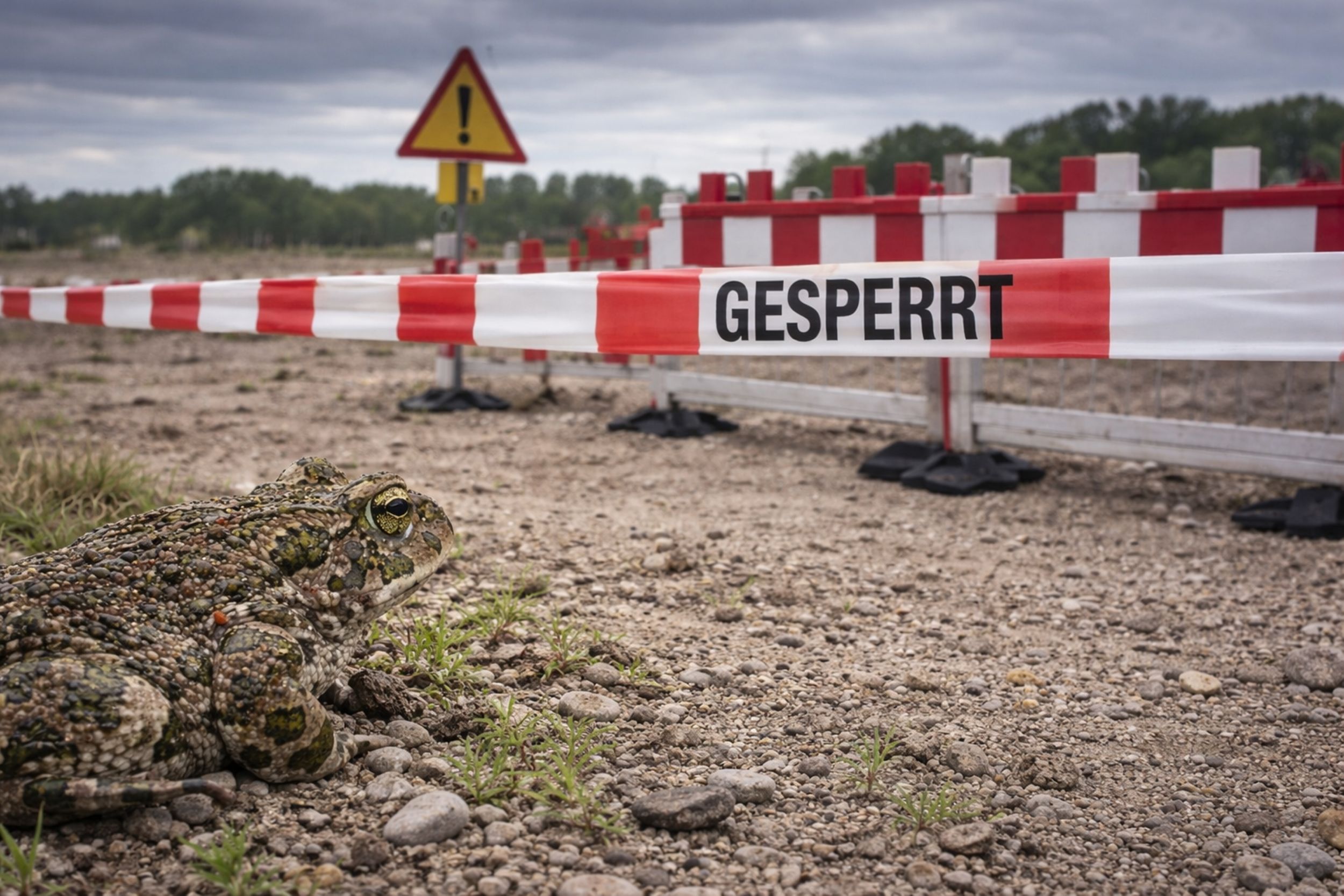
Phantom toad halts Berlin’s CleanTech Park – construction of a battery factory cancelled
The last concrete development project in Berlin’s CleanTech Business Park Marzahn has failed because a conflict over species protection involving the strictly protected European green toad legally struck down the building permit, even though, according to the proceedings, the toad itself was never actually sighted on the construction site. The trigger was a lawsuit filed
-
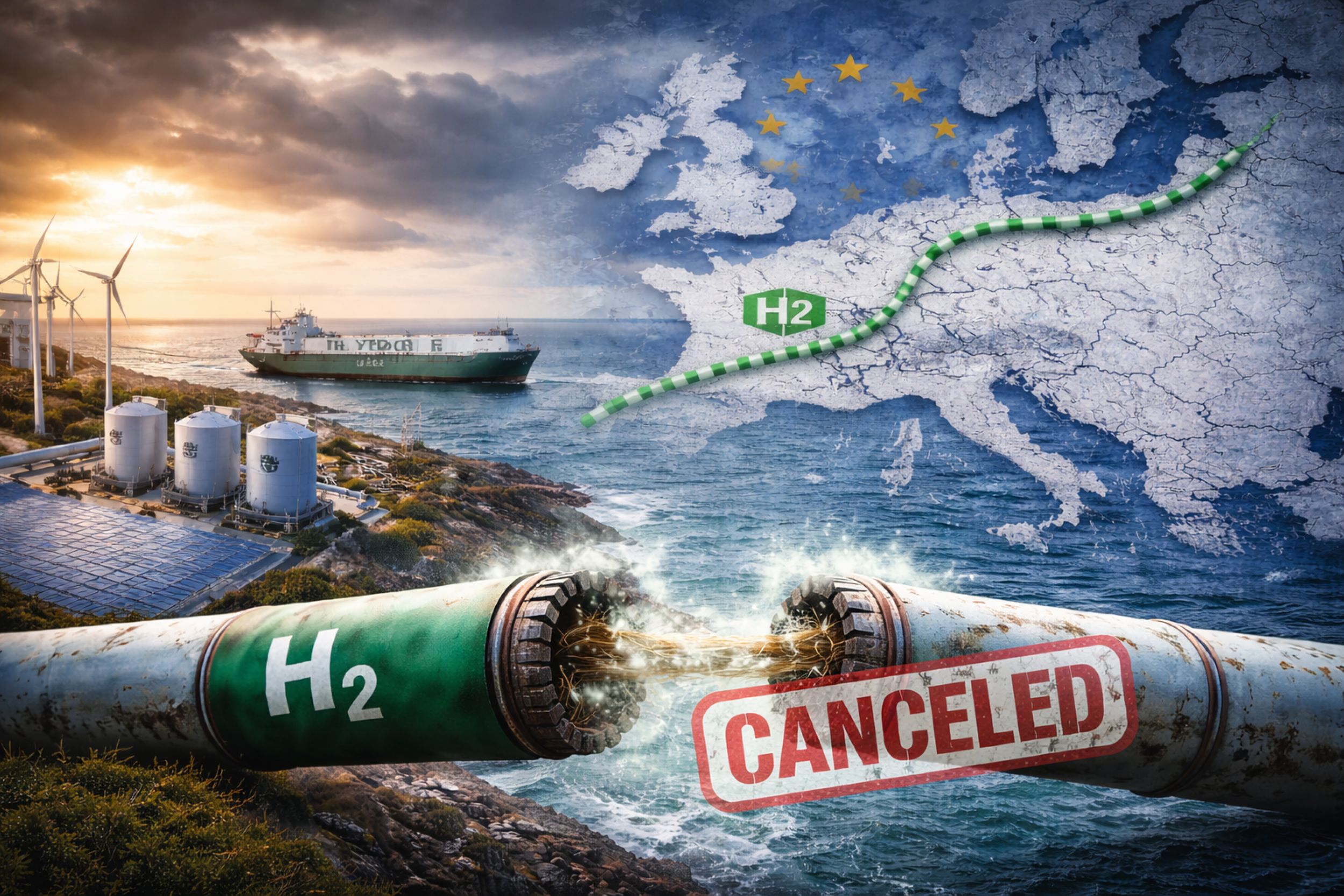
Portugal’s green hydrogen export plans collapse
In the port city of Sines on Portugal’s Atlantic coast, large quantities of green hydrogen were supposed to be produced using cheap solar power and exported to Europe, but these export plans have effectively frozen. Around five years ago, then-Prime Minister António Costa promised a “green hydrogen future” for the site, while international consortia were
-
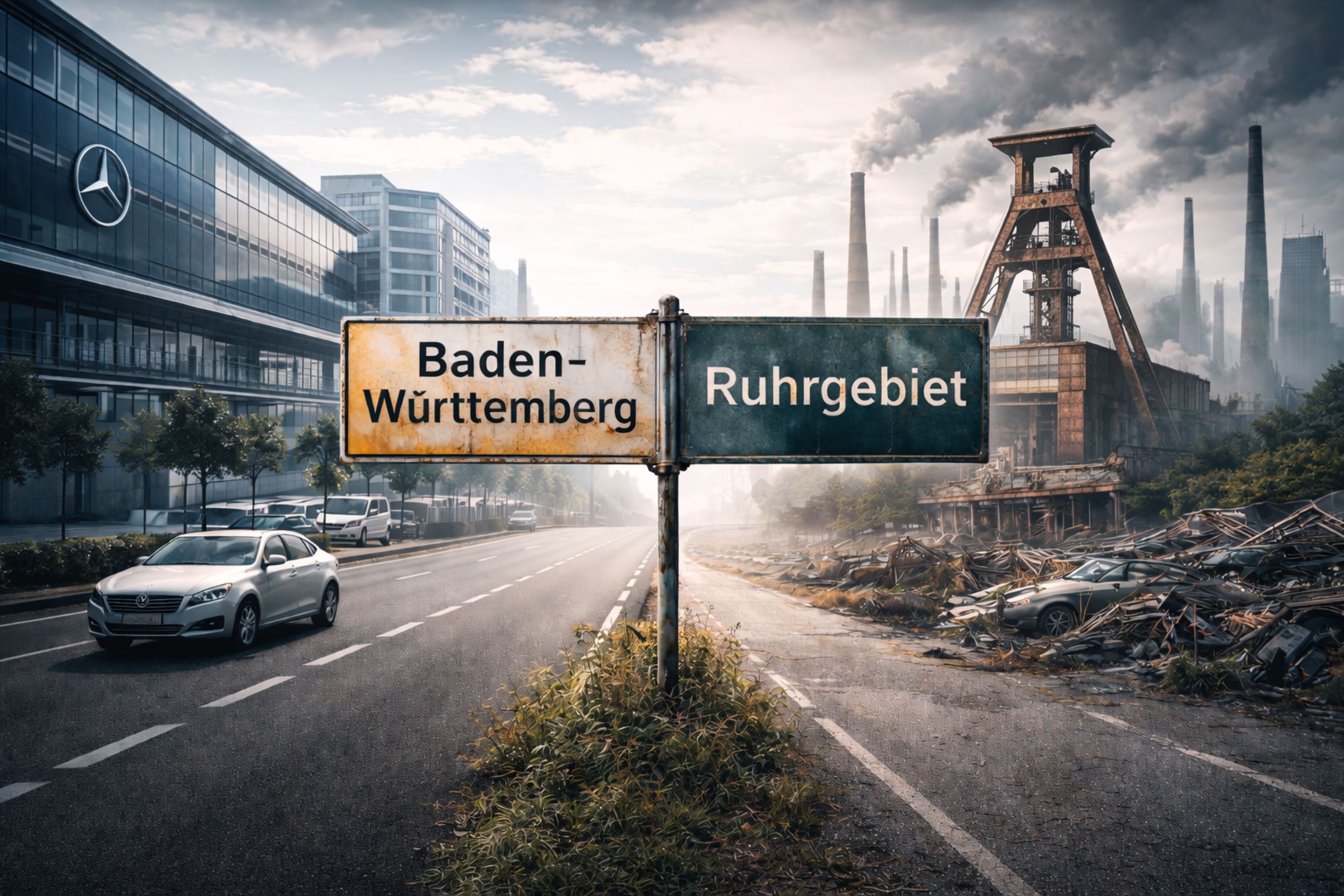
Baden-Württemberg – from economic miracle to the fate of the Ruhr region
Ahead of the state elections on March 8, 2026, Baden-Württemberg is heading towards a pattern that has eroded the Ruhr region for decades: too much prosperity from a single leading industry, too little buffer against the collapse of the entire value chain. Back then, coal and steel were driven out of the market; today, the
Blackout News on Social Media
-
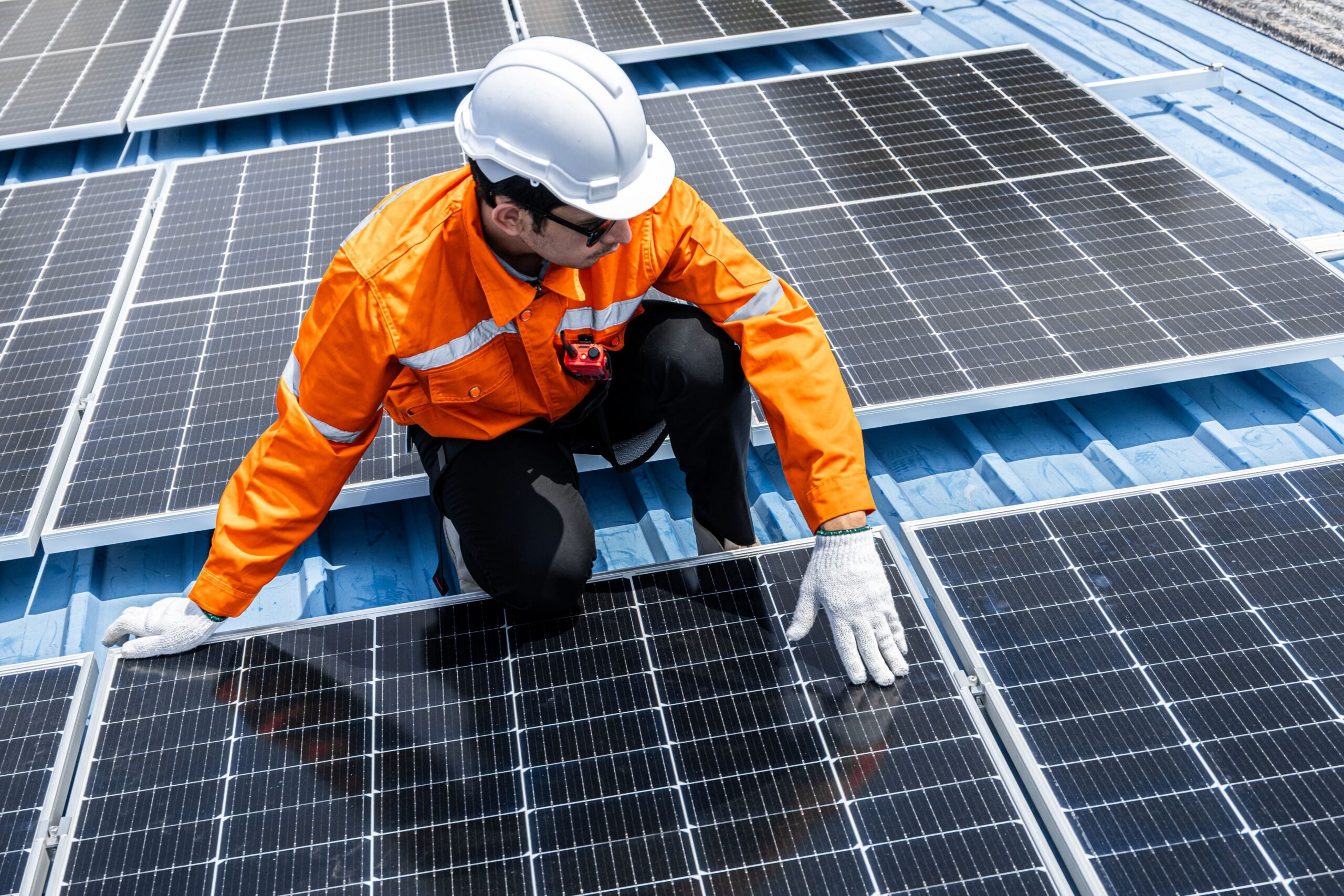
EEG reform – government plans to end photovoltaic subsidies
The draft bill for the amendment to the Renewable Energy Sources Act (EEG) marks a potential shift in German energy policy: New private photovoltaic systems will no longer receive a fixed feed-in tariff. Their operators will be required to market their electricity directly on the open market. The German government justifies this move with significantly
-
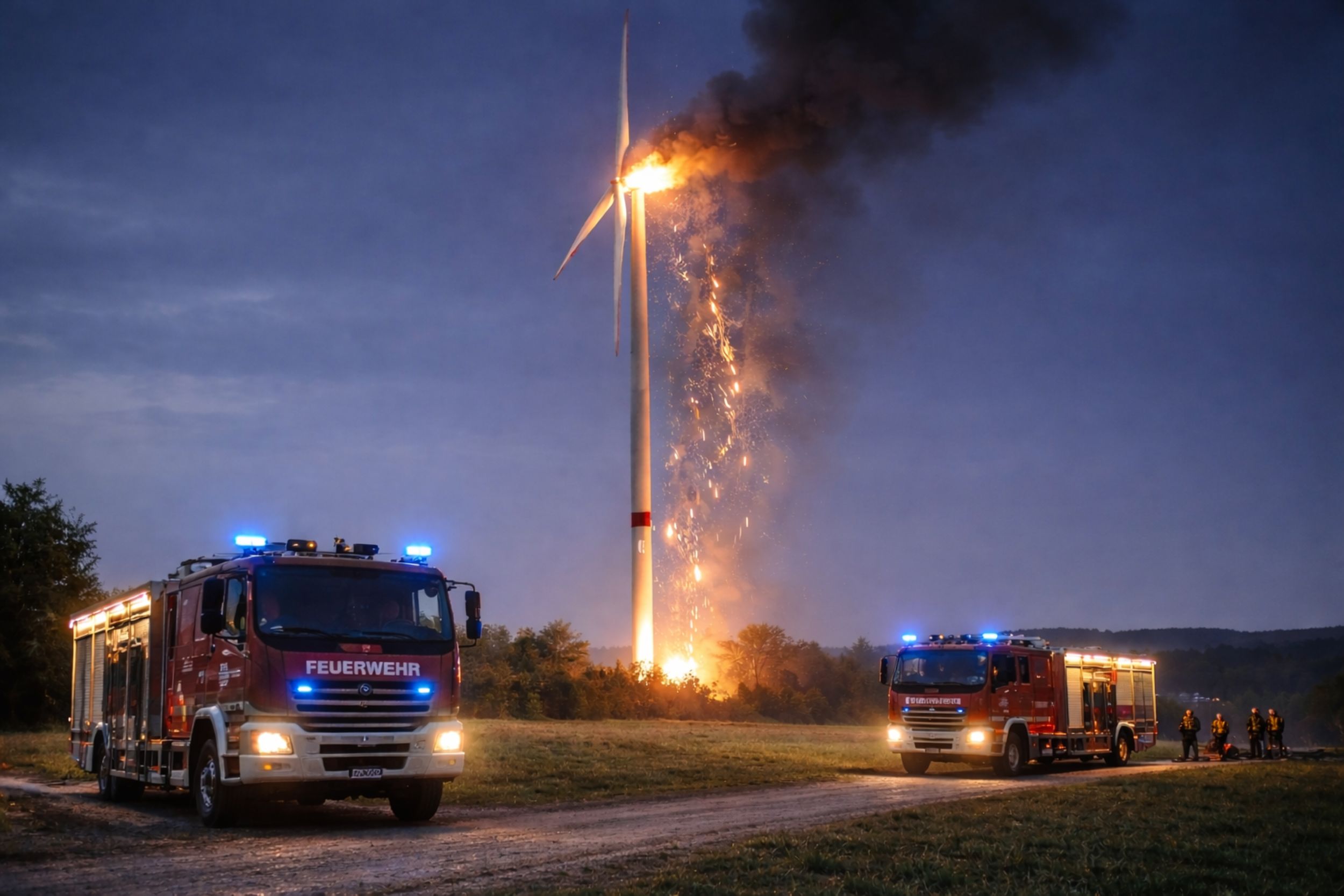
Wind turbine in flames – major fire causes millions in damage
A wind turbine in the municipality of Kirrweiler in the Kusel district of Rhineland-Palatinate went up in flames and burned to the ground. The fire broke out on the evening of February 26, 2026, presumably due to a technical defect in the nacelle. Because of the turbine’s height, the fire department could not intervene directly,
-
WMF faces deep cuts – parent company plans to close three German plants
The French household appliance group SEB has announced a comprehensive cost-cutting program that will hit the long-established German brand WMF particularly hard. WMF’s parent company plans to eliminate up to 2,100 jobs across Europe, including up to 600 in Germany, Austria, and Switzerland. The closure of WMF plants in Riedlingen, Hayingen, and Diez is also
-
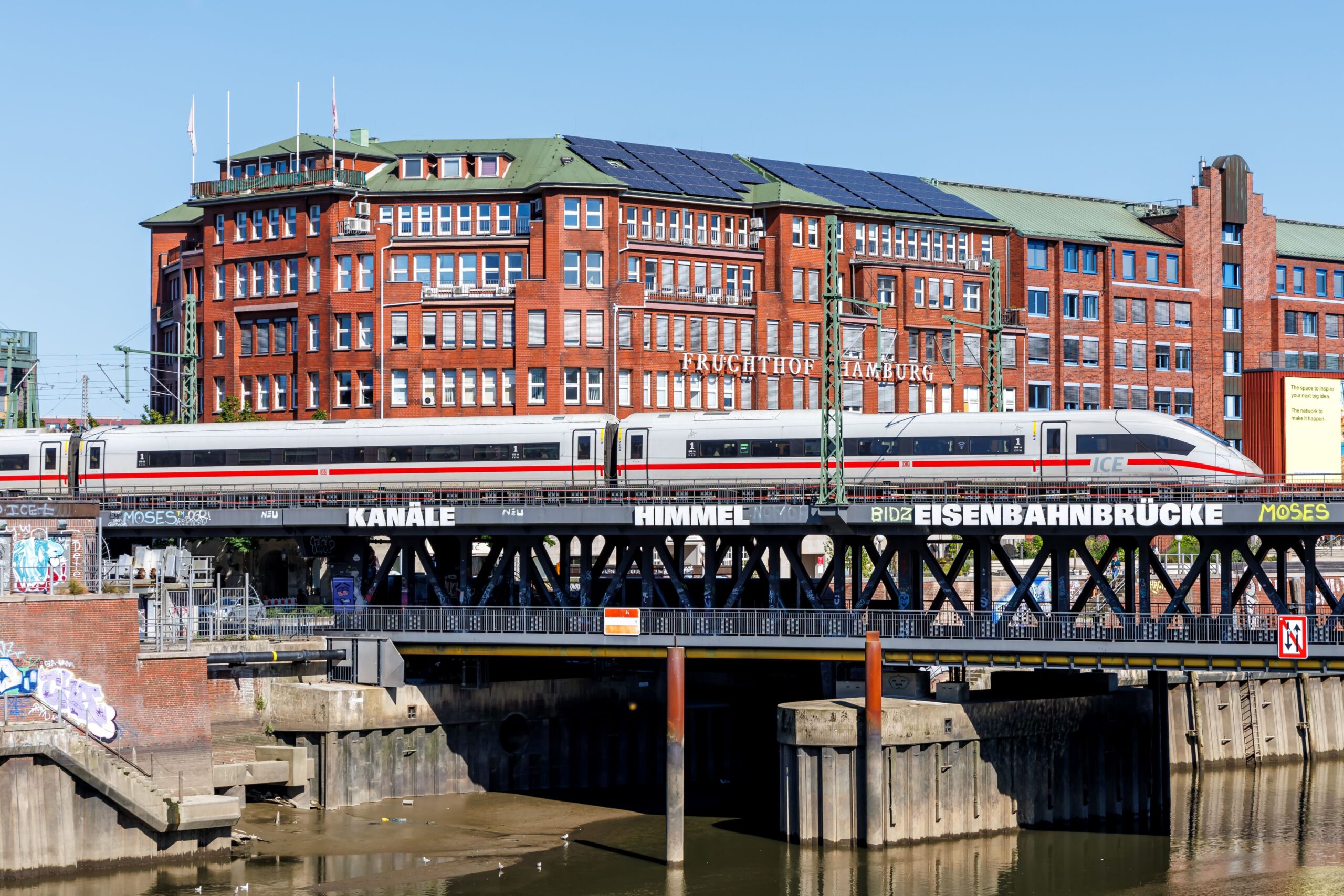
After billions in renovations – Hamburg-Berlin rail connection slower instead of faster
The renovation of the railway line between Hamburg and Berlin is drawing criticism because travel time is increasing despite an investment of at least €2.2 billion. After completion of the construction work, the fastest ICE train will take 107 minutes instead of the previous 103 minutes. Furthermore, the line will remain closed for several weeks
-
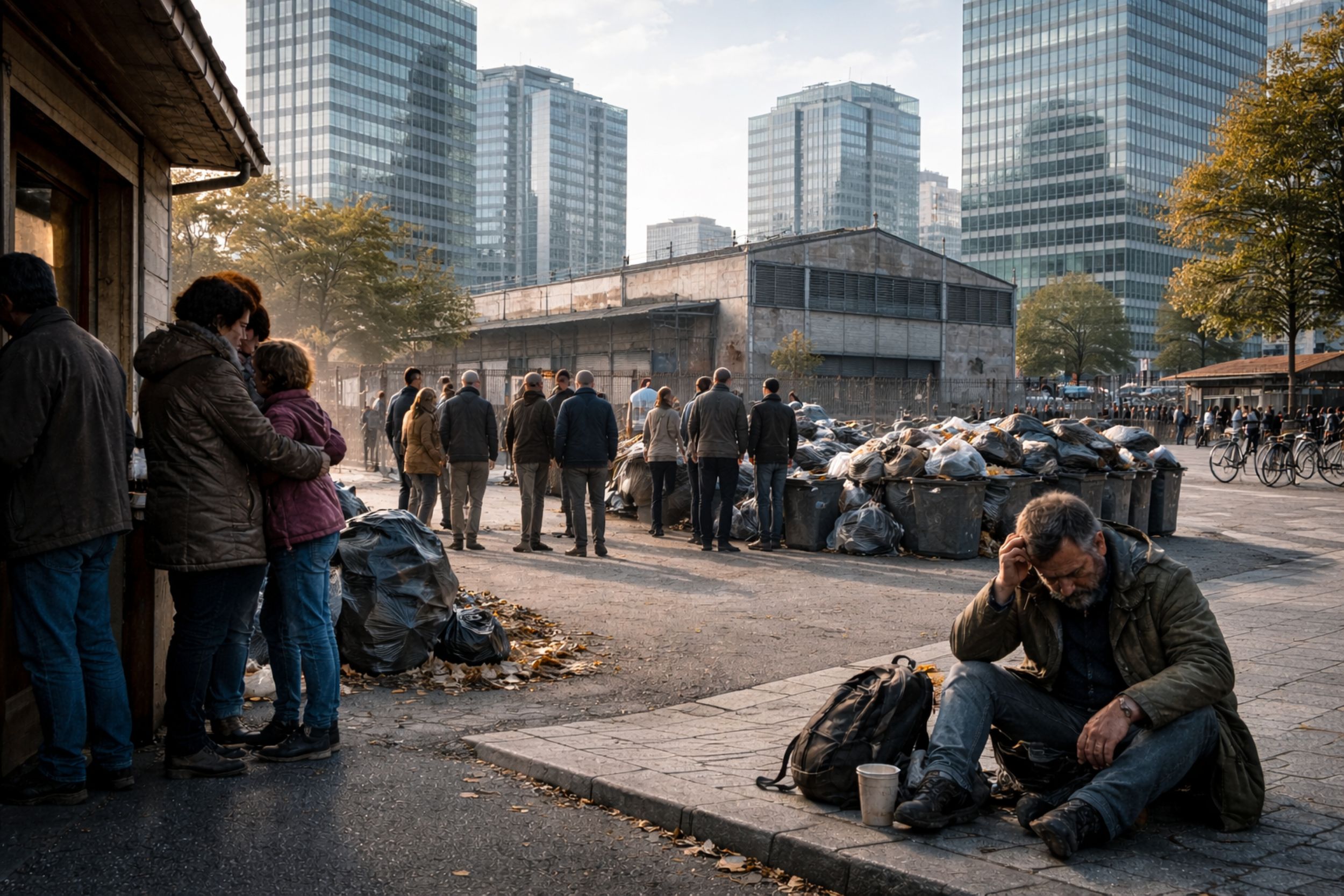
Industrial decline is driving Germany towards poverty – the social crisis is accelerating
At the beginning of 2026, Germany faces a social shift whose dynamics are accelerating significantly: poverty is moving into the middle class, following the loss of approximately 120,300 jobs in the industrial sector alone in 2025. The automotive and manufacturing industries are particularly affected, while high operating costs, weak export markets, and a persistently weak
-

Bitkom survey – Half of the start-ups would not choose Germany as a location again
Only about half of the startups surveyed would choose to establish a company in Germany again, according to current findings. This is the result of a survey conducted by the digital association Bitkom among 133 tech companies at the beginning of the year. The reasons for this skeptical assessment include a weak economy, a lack
-
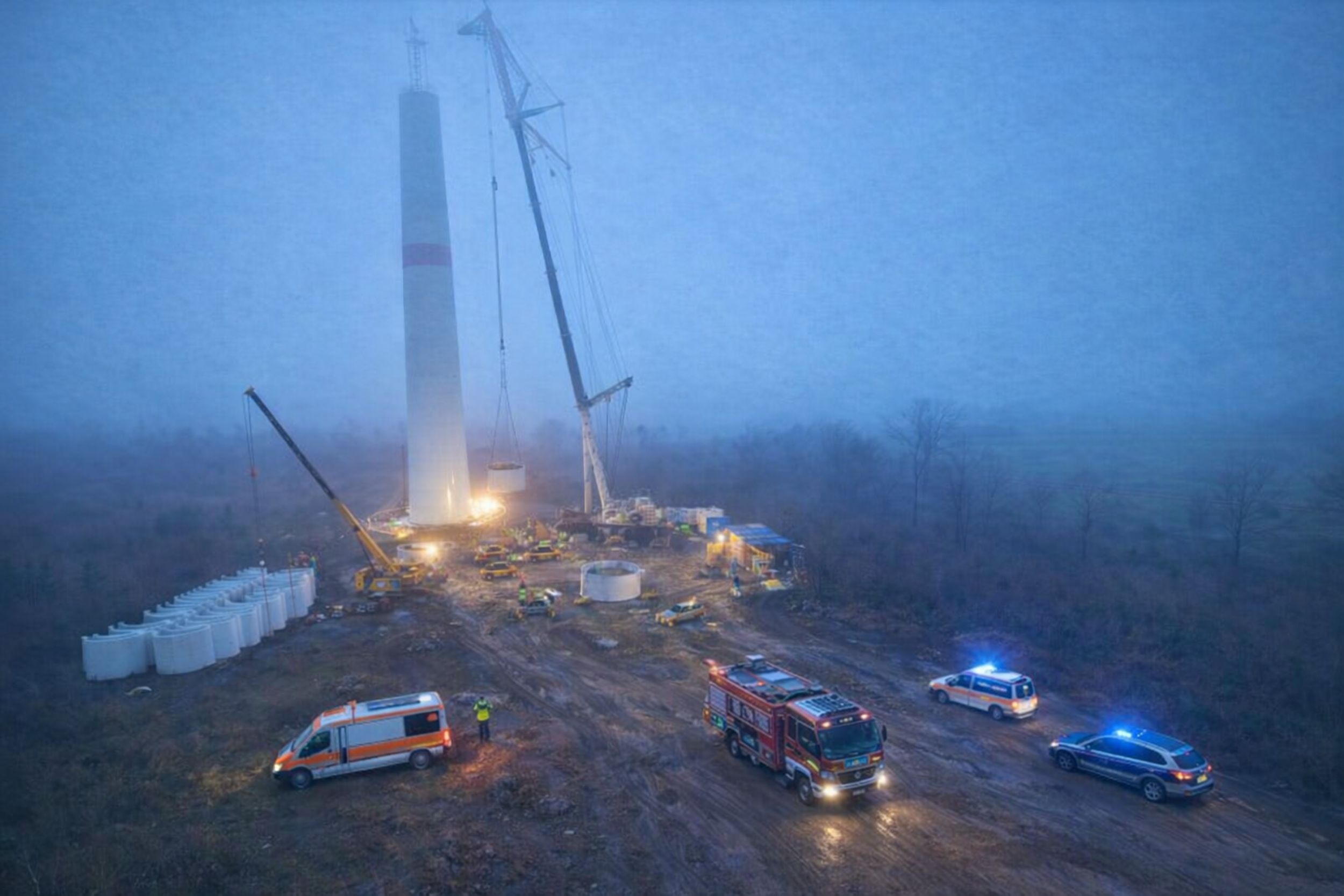
Fatal fall in wind turbine – two workers die in accident in the Main-Kinzig district
Two 32-year-old workers died in a serious workplace accident at a wind turbine under construction in Birstein-Fischborn, Main-Kinzig district, on the morning of February 25. The accident occurred around 5:00 a.m. inside the tower near Federal Highway 276 between Fischborn and Wüstwillenroth. Initial investigations indicate that a work platform, in which the two men were
-
Ikea closes call center in Rostock – 279 jobs affected
Ikea plans to close its customer service call center in Rostock, despite handling numerous product inquiries from across Germany. Staff were informed of the decision on February 25th. Ikea cites long-term structural decisions as the reason, but the expiring lease in 2026 also plays a key role. The company further points to necessary, costly investments
-

Vienna halts TRON – electric police cars unsuitable for patrol duty
In Vienna, the Ministry of the Interior has ended the TRON project, which had been testing electric vehicles as police patrol cars since 2023. Negative practical experiences during operations were the deciding factor, leading Interior Minister Gerhard Karner to prematurely halt the trial. The test was conducted in real-world situations and across several federal states,
-
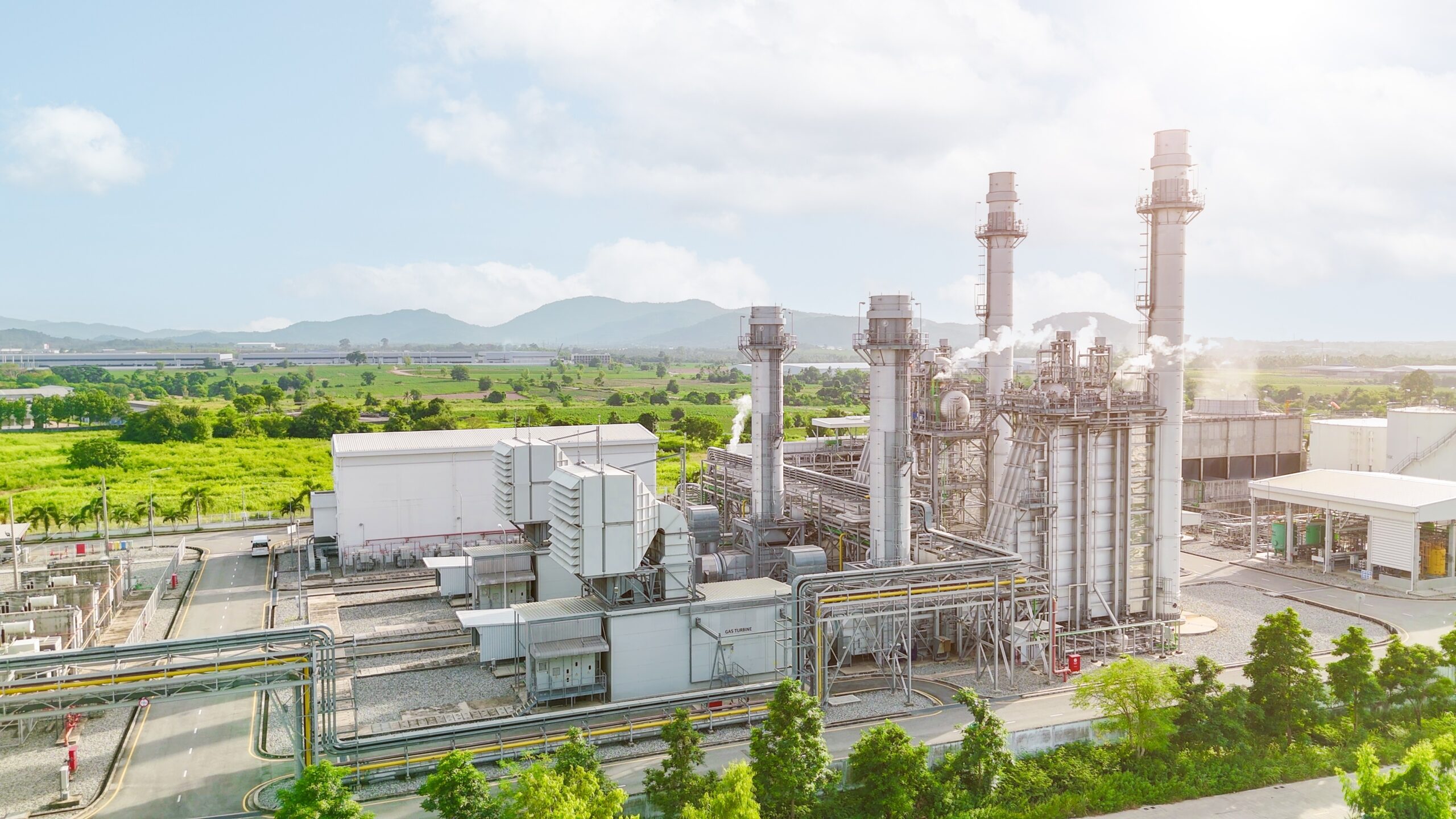
Network operators warn – government has no plan for locating black-start capable power plants
Germany plans to build twelve gigawatts of new gas-fired power plants, but a crucial point remains unresolved: there is no binding plan for the geographical distribution of these black-start capable power plants, which can restart the grid after a widespread power outage. While the federal government wants to attract investors primarily to Bavaria and Baden-Württemberg