
Wind turbines killed an estimated 18.7 million bats across the United States between 1981 and 2024. A recent study by the United States Geological Survey (USGS) reveals the extent of these losses. Since 2021, collisions have reportedly killed more than 1.5 million bats annually. Migratory bat species and populations near rivers, caves and mountain ranges face particularly high risks. Furthermore, larger rotor swept areas increase the collision risk for several species. The findings highlight the conflict between wind energy expansion and wildlife conservation, with implications for wind farm operations in Germany.
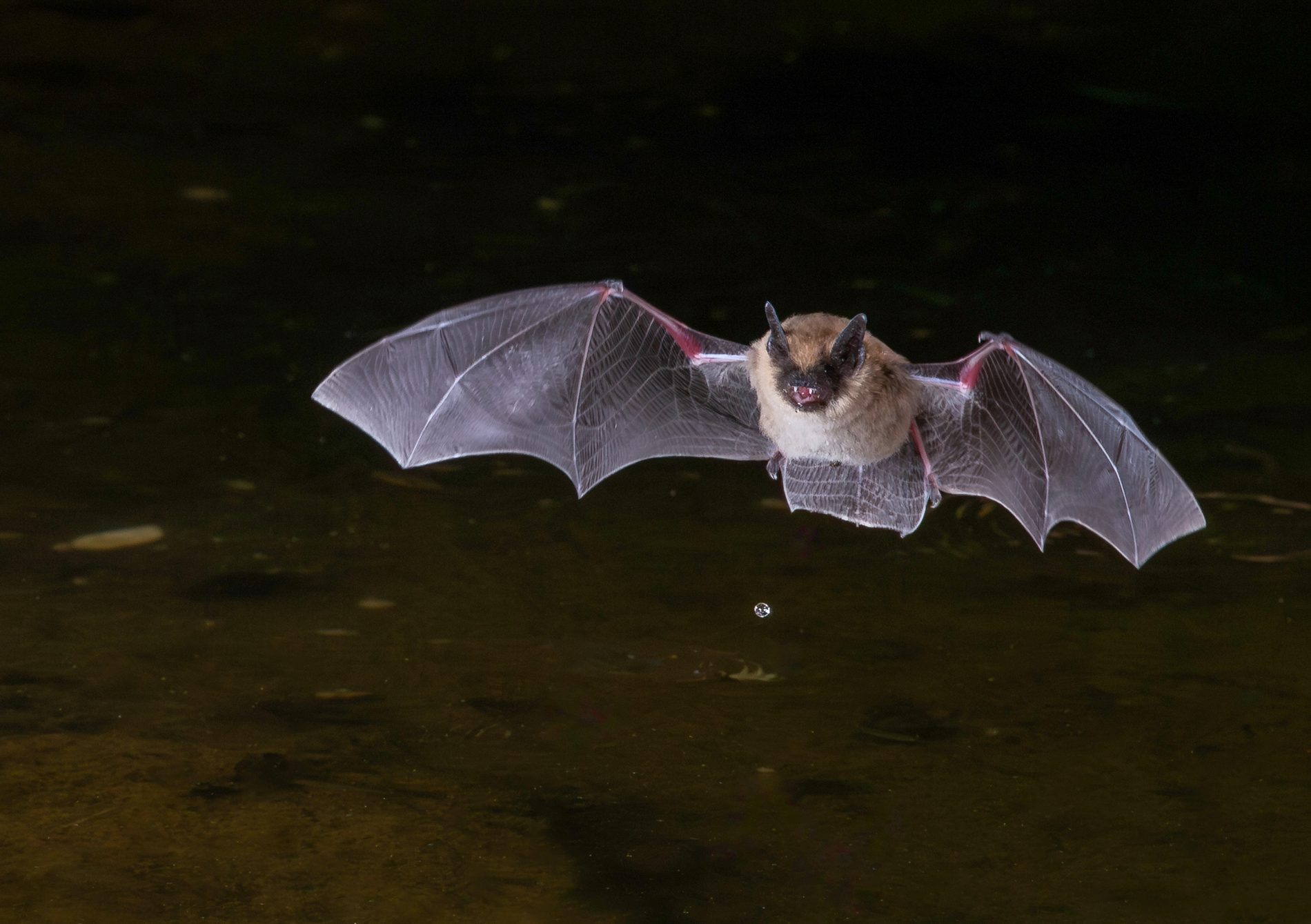
Image: Shutterstock
Larger wind turbines threaten bats
The researchers analyzed 499 monitoring reports from 277 wind farms. Using statistical models, they estimated fatalities among ten bat species across 48 US states. However, wind farm personnel cannot locate every dead bat, meaning that carcass counts alone underestimate the actual losses.
Researchers identified particularly high mortality rates in the Appalachian Mountains and near rivers, abandoned mines and karst formations. Furthermore, several species face higher collision risks when turbine blades pass closer to the ground. Larger wind turbines can also increase fatalities through their greater rotor swept areas. Wildlife conservation therefore becomes increasingly important when operators replace older turbines with more powerful models.
Three bat species account for most fatalities
Three migratory bat species account for approximately 85 percent of the estimated fatalities. Wind turbines reportedly killed around 6.7 million hoary bats, 5.8 million eastern red bats and 3.4 million silver-haired bats. Another 1.5 million fatalities involved big brown bats. Furthermore, the losses affect species already facing population declines and legal protection.
However, wind energy is not the only threat to North American bat populations. White-nose syndrome primarily affects cave-hibernating bats, while turbine collisions disproportionately affect migratory species. These losses also have economic consequences. Bats consume substantial quantities of agricultural pests and therefore contribute to natural crop protection.
Wind turbines also kill thousands of bats in Germany every year
Germany’s Nature and Biodiversity Conservation Union (NABU) estimates that wind turbines kill up to 200,000 bats annually. German law strictly protects all native bat species. Nevertheless, by the end of 2024, only around 11,000 of approximately 28,500 assessed turbines had bat protection curtailment measures.
Research by the Leibniz Institute for Zoo and Wildlife Research also demonstrates adverse effects on bat habitats. Scientists in Brandenburg observed that several bat species avoid bodies of water near wind turbines. Wildlife conservation must therefore address both direct fatalities and the displacement of bats from feeding grounds and drinking sites.
Protecting bats reduces wind energy output
Temporary turbine shutdowns can significantly reduce bat fatalities. Targeted operational adjustments can prevent collisions, particularly during periods of low wind speeds and high bat activity. Bat Conservation International cites scientific research demonstrating the effectiveness of such measures. Raising turbine cut-in speeds to five meters per second reduces bat fatalities by an average of 62 percent.
However, these curtailment measures also reduce electricity generation and operator revenues. Project developers must therefore incorporate potential production losses into their financial calculations. Depending on location and bat activity, additional restrictions on wind turbine operations may become necessary.
Wind energy expansion intensifies the conflict with wildlife conservation
The American researchers also provide geographical maps identifying particularly vulnerable areas. Authorities can use these findings to identify potentially unsuitable wind farm locations at an early stage. However, accelerating wind energy expansion without adequate protective measures risks increasing bat fatalities further.
The study documents an environmental burden that deserves greater attention when assessing wind energy. Political expansion targets, however, focus primarily on installed capacity and expected electricity generation. A comprehensive assessment must also consider the consequences for protected wildlife populations and the economic impact of necessary turbine shutdowns.
Author: Blackout News
Sources: Bat Conservation International – USGS – Scientific Study – The Wildlife Society (October 30, 2026) – USGS – PNNL – Tethys
Read also:
- Onshore wind power – study warns of severe damage to biodiversity worldwide
- Higher Regional Court overturns building permit for wind turbines in the Westerwald region
- Seabirds alter flight paths at offshore wind farm
- Wind power instead of nature conservation – cash-strapped municipalities turn their forests into cash