
Norway is further reducing government incentives for electric cars. On November 11, 2026, the EFTA Surveillance Authority approved the extension of reduced tax incentives until the end of 2027. The government in Oslo plans to halve the VAT exemption threshold from NOK 300,000 (€27,900) to NOK 150,000 (€14,000). Consequently, purchase prices will rise significantly, while the government expects additional revenue of NOK 3.8 billion (€354 million). Norway plans to abolish the tax exemption entirely from 2028. Meanwhile, the government intends to reduce road-use taxes on petrol and diesel. Electric mobility will therefore contribute more to public finances.
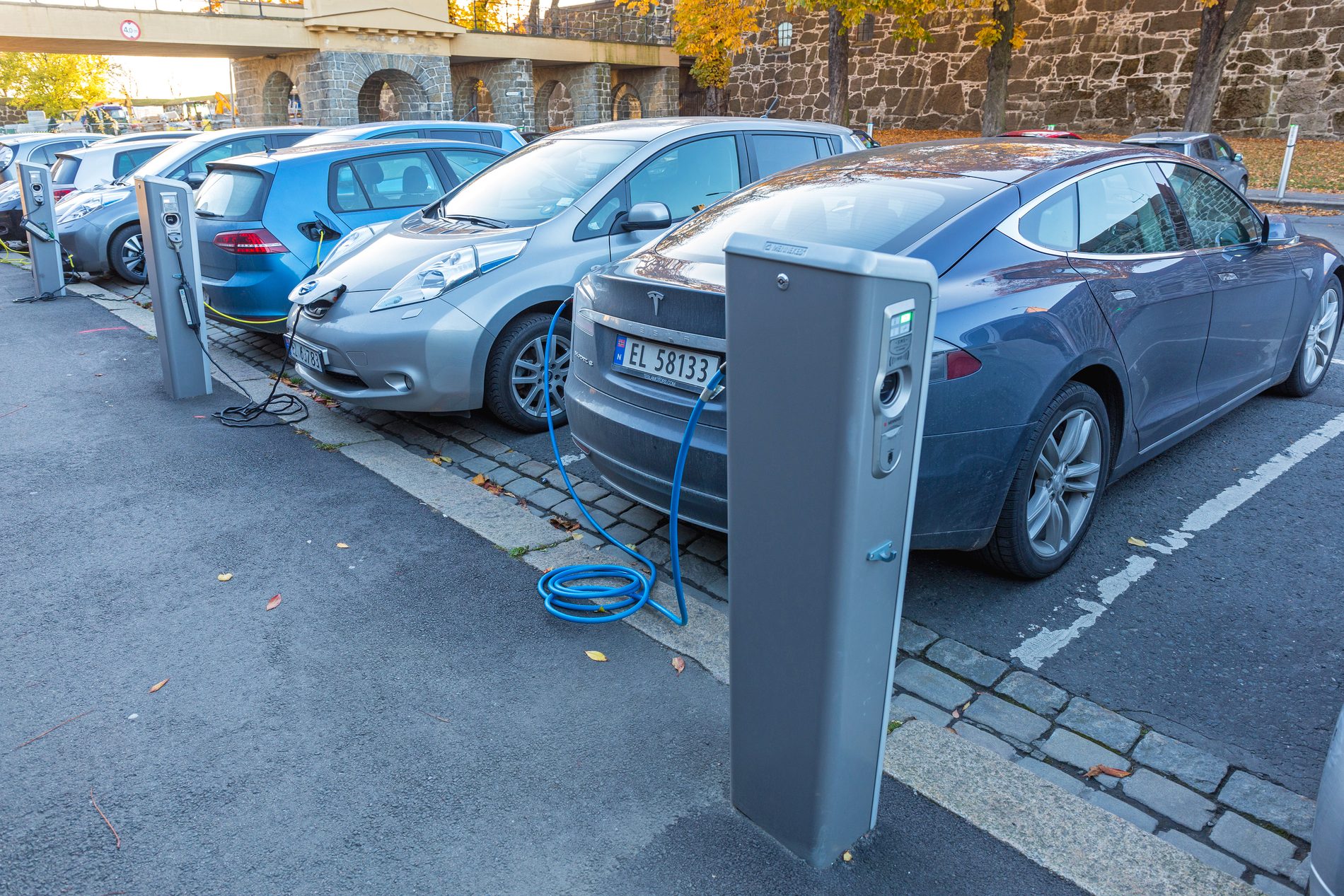
Image: Shutterstock
Norway gradually abolishes tax exemptions for electric cars
For years, Norway waived VAT entirely on purchases of electric passenger cars. However, the government began reducing these incentives in 2023. Initially, it limited the VAT exemption to the first NOK 500,000 (€46,600) of the purchase price. At the beginning of 2026, this threshold fell to NOK 300,000 (€27,900). The government applies the standard VAT rate of 25 percent to any amount exceeding this threshold.
The latest reduction will further increase the cost of electric mobility. An electric car with a pre-tax price of NOK 500,000 (€46,600) currently incurs NOK 50,000 (€4,650) in VAT. Under government plans, this amount will rise to NOK 87,500 (€8,150) in 2027. Consequently, the tax burden will increase by another NOK 37,500 (€3,500). Once the government abolishes the exemption entirely, VAT will reach NOK 125,000 (€11,640).
Government seeks additional revenue instead of further subsidies
The success of electric mobility, however, has fundamentally changed the financial basis of government incentives. Electric cars now dominate Norway’s new car market almost entirely. As a result, the original incentive programme has effectively become a general subsidy for new car purchases. This deprives the government of substantial tax revenue.
The further reduction of the VAT exemption alone should generate an additional NOK 3.8 billion (€354 million) in 2027. The government intends to use part of this revenue to finance income tax cuts. Consequently, Norway is shifting part of the tax burden from employment income to vehicle purchases. Buyers will face significantly higher acquisition costs.
Norway simultaneously reduces petrol and diesel taxes
While Norway is scaling back incentives for electric mobility, the government is taking a different approach to fossil fuels. It plans to reduce road-use taxes on mineral oil, biodiesel and petrol by NOK 1.2 billion (€112 million) in 2027. This measure aims to offset the planned increase in carbon taxes. Consequently, the overall tax burden on petrol and diesel should remain unchanged in real terms.
However, current registration figures show no collapse in the electric car market. Norway registered 15,725 new passenger cars in October, including 15,536 electric cars. Their market share reached 98.8 percent. In contrast, buyers registered only 89 new diesel cars and 14 petrol cars. Nevertheless, the impending tax increases may encourage many consumers to bring forward planned purchases.
Norway’s electric mobility faces an economic test
Norway is widely regarded as an international role model for the electrification of road transport. However, the country differs considerably from Germany and many other European nations. Alongside government incentives, extensive hydropower resources support the operation of electric vehicles. Moreover, high registration taxes on combustion-engine vehicles influence price comparisons between different powertrain technologies.
The gradual abolition of the VAT exemption therefore marks a new phase in Norway’s transport transition. Registration figures over the coming years should reveal how strongly demand responds to declining subsidies. For other countries, this development could provide valuable insights into the economic limits of government incentives. As the market share of a subsidised technology increases, so does the loss of tax revenue. Even successful incentive programmes can therefore ultimately undermine their own financial foundations.
Author: Blackout News
Sources: Norwegian Ministry of Finance (12/11/26) – EFTA Surveillance Authority (11/11/26) – Finans.no (13/11/26) – OFV (02/11/26) – Electrive (02/11/26) – Norwegian State Budget 2027 (07/10/26)
Read also:
- Norway’s electric car boom: The real cost advantage stemmed from tax exemptions
- EV tax: New levies intended to replace lost fuel tax revenue
- Subsidies for electric cars cost billions but have hardly any climate impact
- EV subsidy backfires – State boosts competition for German automakers