
South Australia experienced an exceptionally long period of low wind speeds from June 21 to 24, 2026. Over the four-day period, wind farms generated an average of only 124 megawatts out of a total installed capacity of 2,734 megawatts. Consequently, the wholesale price twice hit the market cap of 20,300 Australian dollars per megawatt-hour. Battery reserves were depleted early on, while gas-fired power and imports from Victoria secured the supply. Despite the strain, there were no power outages in Adelaide or the rest of the state.
Lull in wind drops wind power share to 4.5 percent
On June 18, wind power met total demand and even enabled exports. Just a few days later, however, its share temporarily fell to one percent. Consequently, almost all remaining generation came from gas-fired power plants. Additional electricity flowed in from Victoria, where—amid similarly weak winds—coal-fired power plants were the primary source of generation.
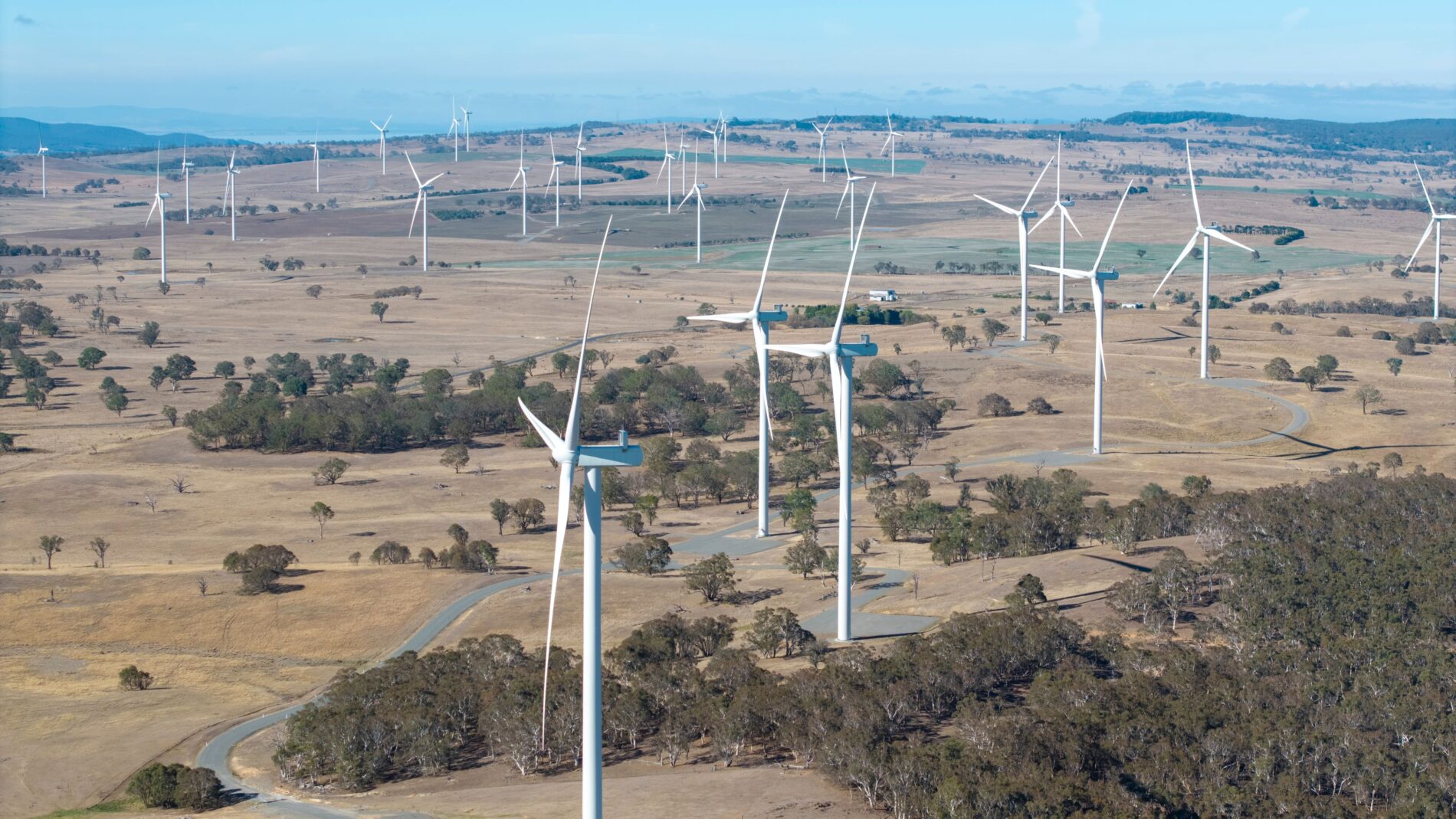
Image: Shutterstock
Based on available comparative data, the period of low wind generation marked the lowest four-day average since at least 2019. In June 2019, the average output was 142 megawatts; in May 2024, it reached 153 megawatts. Although installed capacity has increased since then, average availability dropped to 4.5 percent during this period.
Batteries miss the second price spike
The first price spike occurred in the evening after sunset. Many storage systems had already discharged energy earlier because prices had begun to rise in the afternoon. About half of them still responded to the initial peak. However, by the time the second spike hit the following morning, almost all lacked sufficient charge. Some batteries even charged at prices reaching 10,000 dollars per megawatt-hour.
Grid constraints exacerbated the situation by limiting additional imports from Victoria. At the same time, South Australia exported electricity during certain intervals, even though its own domestic prices were extremely high. According to AEMO, these two days raised the average quarterly price by 13 dollars per megawatt-hour. Nevertheless, the quarterly average of 86 dollars remained well below the figure from the previous year.
Gas secures supply during low wind conditions
Despite a lull in wind, Australia’s wind power generation rose by 20 percent year-on-year in the second quarter. Renewables also achieved a 42.1 percent share of the national electricity market. Gas-based generation fell by 30 percent over the quarter as a whole; however, South Australia required significantly more gas-generated electricity on a short-term basis during the multi-day slump.
Consequently, the state government is fast-tracking six large-scale storage projects with a combined capacity of 517 megawatts and 4,136 megawatt-hours. These are intended to supply more than 300,000 average households for up to eight hours. Yet a lull lasting more than four days extends well beyond that timeframe. Therefore, flexible power plants, robust transmission lines, and sufficient import capacities remain crucial. Even the government continues to regard gas as indispensable as long as viable alternatives are lacking.
Author: Blackout News
Sources: ABC News (27.07.26) – Modo Eneregy (02.07.26) – Energymagazine (29.06.26) – WattClarity (21.06.26)