
Taiwan is preparing for a return to nuclear power. On September 24, the Nuclear Safety Commission approved the restart plan for the idled Maanshan nuclear power plant in Pingtung County. This allows the operator, Taipower, to proceed with the technical work required for a potential reactor restart. The move is driven by the country’s heavy reliance on energy imports, rising electricity demand, and growing concerns regarding security of supply. However, the two reactors cannot yet be connected to the grid; Taipower must first assess aging, seismic safety, and other safety-critical systems. Consequently, a restart is considered possible no earlier than 2028.
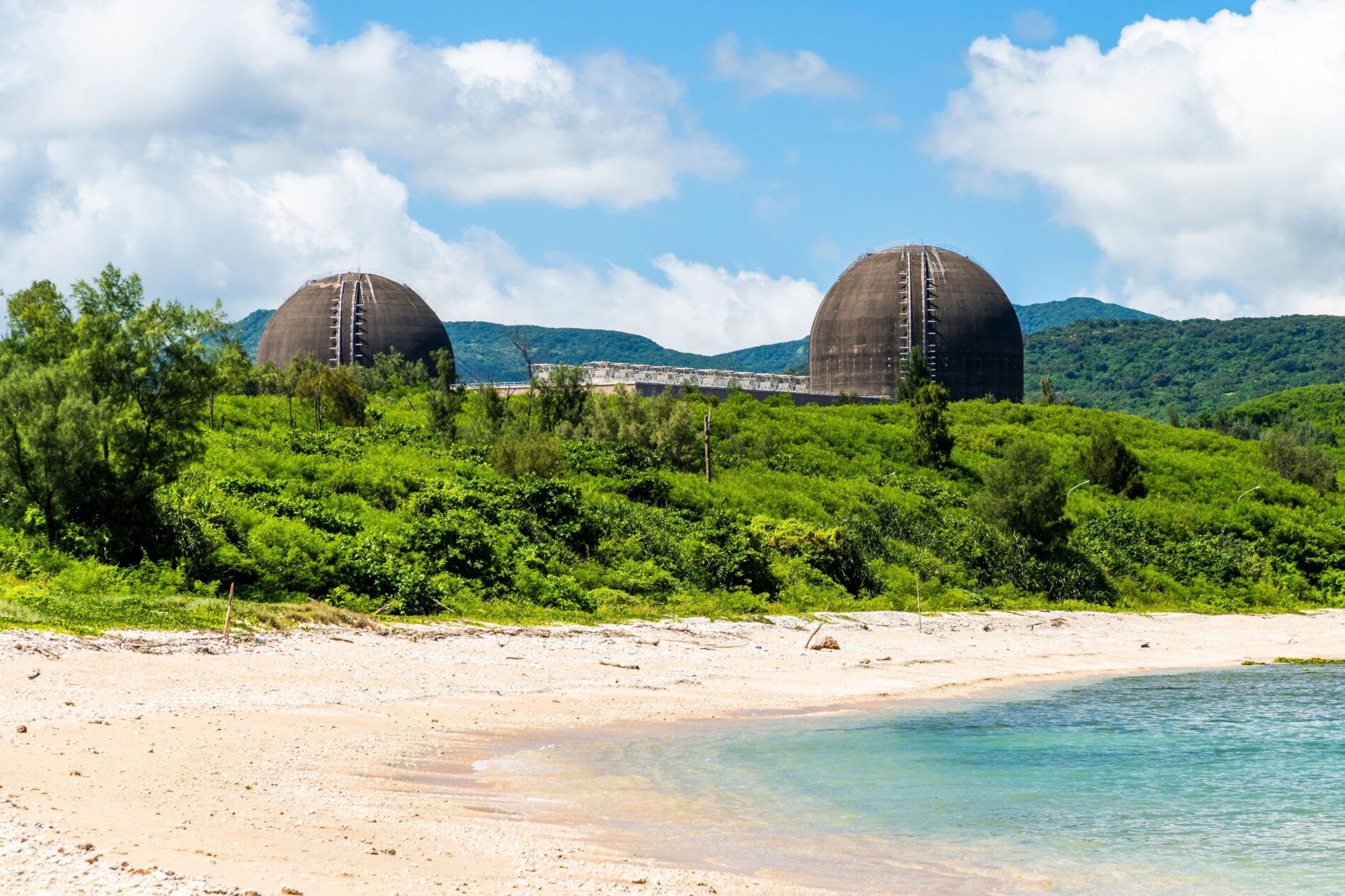
Image: Shutterstock
Nuclear power is regaining a place in Taiwan’s energy policy
Maanshan was Taiwan’s last commercially operated nuclear power plant. The operating license for Unit 1 expired in July 2024, while Unit 2 went offline in May 2025. Consequently, Taiwan initially ceased generating nuclear power. However, the facility remains in a condition that would, in principle, allow for a technically vetted restart of the reactors.
The direction of energy policy has since shifted significantly. In May, the Ministry of Economic Affairs stated that rising electricity demand driven by industry and artificial intelligence necessitates a broader review of all available options. As a result, the government is once again considering nuclear power as a potential source for ensuring supply security and grid stability. Nevertheless, there will be no automatic restart; safety, the legal framework, and licensing procedures remain prerequisites.
Energy Imports Make Taiwan Particularly Vulnerable
Taiwan’s electricity supply relies heavily on imported fuels. In 2025, 47.7 percent of electricity generation came from natural gas and another 35.3 percent from coal, whereas nuclear energy accounted for only 1.1 percent. Consequently, supply routes for LNG and coal play a pivotal role for the island.
This dependency also has a geopolitical dimension. Taiwan sources large quantities of its energy supplies via maritime routes. The Ministry of Economic Affairs is therefore seeking to diversify its LNG suppliers and expand long-term contracts. At the same time, the government has previously utilized additional coal-fired power plants to ensure supply security during international crises. Bringing a nuclear power plant back online would thus broaden the structure of the power system, though it would not entirely eliminate the reliance on imports.
Safety checks to determine restart
The decision of September 24 does not yet constitute an operating license. Taipower must implement the approved restart plan and subsequently submit a report on the results. In addition, the nuclear regulatory authority requires assessments regarding plant aging, radiation protection, and seismic safety. Only then will further inspections take place prior to the potential granting of a new operating permit.
Nevertheless, the decision marks a significant shift. Taiwan had previously planned to phase out commercial nuclear power generation completely by 2025. Now, the government is once again paving a concrete path for nuclear power. However, whether Maanshan actually supplies electricity in 2028 depends on the condition of the two units and the results of the safety inspections. Minister of Economic Affairs Kung Ming-hsin stated as early as March that the timeline would depend primarily on the number of components requiring replacement.
Author: Blackoiut News
Sources: Nuclear Safty Commission Taiwan (24.09.26) – Central News Agency (24.09.26) – Bloomberg (25.09.26)