
In an interview, 50Hertz CEO Stefan Kapferer took a critical view of the continued expansion of solar power in Germany and called for different priorities over the next five to six years. His comments were prompted by situations—such as the one on May 1st—characterized by high solar power generation and low demand. These conditions lead to negative electricity prices, power exports to Austria and Switzerland, and significant costs for the federal budget. According to Kapferer, that May Day holiday alone cost taxpayers around 50 million euros. (ntv: 07.06.26)
Solar Power Meets Falling Consumption
Kapferer does not view photovoltaics as a problem in itself. However, he points to an imbalance in the electricity system. Electricity consumption in Germany has fallen by around 15 percent over the past ten years, while generation from renewable energy sources has risen sharply. Consequently, surpluses arise on sunny days when industry, businesses, and households consume too little electricity.
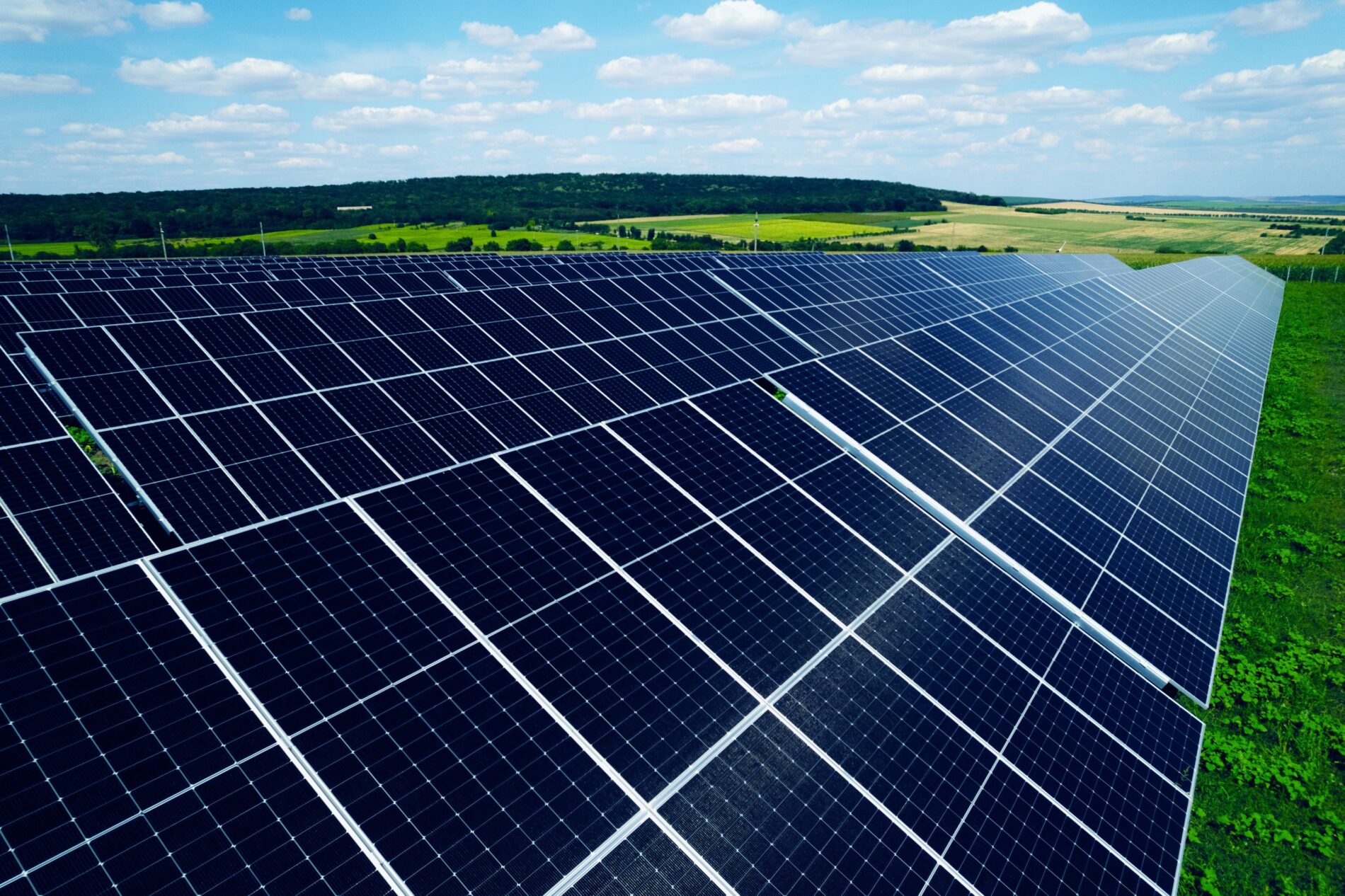
50Hertz is required to market such surpluses. Consequently, the grid operator sells the electricity to countries with pumped-storage facilities—specifically Austria and Switzerland. There, operators utilize low-cost German electricity to pump water into elevated storage reservoirs, later generating electricity from it. Meanwhile, costs are incurred in Germany because the promotion of renewable energy is funded through the federal budget.
New priorities for storage and consumption
Kapferer points to more than 50 gigawatts of battery storage capacity that has already received grid connection commitments. However, these storage systems do not solve the immediate problem; many projects will not materialize for another five years. Furthermore, they require grid connections, substations, and suitable sites. Kapferer therefore urges: “We should set different priorities for the next five or six years.”
This imbalance is particularly evident in Brandenburg, where 17 gigawatts of renewable generation capacity face a load of only three gigawatts. As a result, Brandenburg frequently has to export electricity to other regions. Kapferer takes a different view regarding additional solar installations in North Rhine-Westphalia and Baden-Württemberg, where industrial and commercial sectors can consume more electricity directly. Berlin and Hamburg also offer greater proximity between generation and load.
Wind power and gas plants secure supply during periods of scarcity
Kapferer sees a need for further action regarding wind power. However, he notes that permits must translate more quickly into actual construction projects. In his view, solar power does not require an accelerated pace, as its expansion is already proceeding very rapidly. He considers wind power more important because it complements the power system differently, often supplying electricity when solar installations contribute less.
Kapferer believes new gas-fired power plants are necessary for periods with little sun and wind; in his view, storage systems alone are insufficient. “Battery technologies are making great strides,” he says, while simultaneously pointing to a “dunkelflaute” (a period of low solar and wind output) in 2025 that lasted more than 200 hours. For this reason, he considers the first tender for ten gigawatts of new gas-fired power plants to be indispensable.
Grid Connections Become a Matter of Policy
Kapferer also foresees growing conflicts regarding grid connections. A single transformer cannot simultaneously connect a data center, a storage facility, and a solar park. Policymakers therefore need to define more clearly which projects should take precedence. To date, renewable energy installations have enjoyed priority for grid connections, whereas new consumers—such as data centers, chip factories, or electrolyzers—often face delays.
Small rooftop installations are also coming under scrutiny. Large-scale solar plants can be controlled, whereas many small systems barely react to negative prices. Kapferer therefore questions the need for continued subsidies for new rooftop systems, given that they already pay for themselves within 12 or 13 years. For private operators, this does not imply a mandatory shutdown; however, it does demonstrate that the solar boom requires new rules. Clear priorities regarding storage systems, controllable installations, additional consumers, and regionally appropriate expansion are now crucial.