
Madrid is postponing the nuclear phase-out at the Almaraz power plant in Extremadura until June 8, 2030. On August 14, 2026, the government approved the continued operation of both reactors. Originally, they were scheduled to go offline in 2027 and 2028. However, geopolitical conflicts, volatile gas prices, and growing uncertainty regarding energy supplies have altered the prevailing conditions. As a result, more than two gigawatts of continuously available capacity will remain in the Spanish power system for a longer period.
Nuclear phase-out gives way to concerns about security of supply
The two Almaraz reactors have a combined net output of around 2,017 megawatts. In addition, the plant meets more than seven percent of Spain’s electricity demand. Around 4,000 people work for the power plant, either directly or indirectly. Consequently, the decision affects not only the electricity supply but also the economically weaker region of Extremadura.
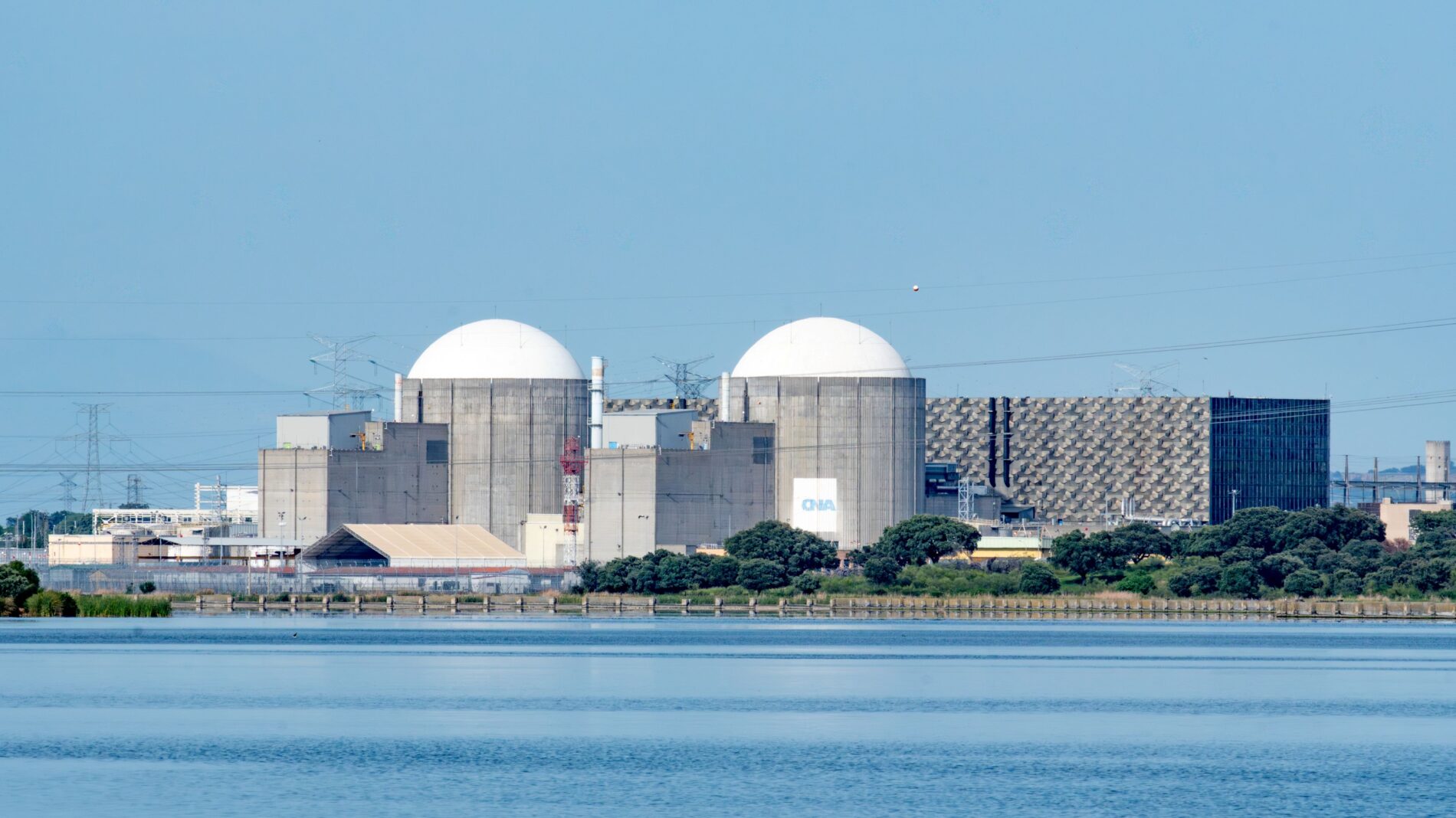
Image: Shutterstock
From a technical standpoint, the Spanish nuclear regulator CSN had already deemed continued operation until 2030 feasible back in 2020. However, the political phase-out plan initially limited operating periods to 2027 and 2028. Consequently, the operators—Iberdrola, Endesa, and Naturgy—applied for an extension in October 2025. In July 2026, the CSN finally confirmed that the plant met the requirements for safe continued operation.
Blackout Exposed Weaknesses in the Power System
This decision comes just over a year after the historic blackout on the Iberian Peninsula. On April 28, 2025, the power supply in Spain and Portugal collapsed almost entirely. ENTSO-E later described the event as the most severe European power outage in more than 20 years. The investigation documented issues regarding voltage regulation, reactive power, and system stabilization. There were also rapid drops in power output and cascading shutdowns of generation facilities.
However, the blackout is not officially cited as the reason for extending the life of the Almaraz plant. Nevertheless, it reignited the Spanish debate regarding the nuclear phase-out and the future energy mix. In the wake of the event, ENTSO-E has called for more resilient operational procedures and improved grid monitoring. Furthermore, energy policy and market rules must align with the physical limitations of the power system.
Nuclear power replaces a portion of planned gas-fired electricity generation
Madrid cites heightened uncertainty in international energy markets as the official reason. According to the government, the wars in the Middle East and Ukraine, in particular, are increasing risks regarding gas prices and supply. Consequently, the Almaraz plant is intended to shield Spanish consumers from unexpected price spikes. At the same time, the extension buys the power system extra time to expand storage capacity and renewable energy sources.
This move results in a measurable shift in planned electricity generation. Government calculations indicate that renewable energy output in 2030 will be approximately 1.4 percent lower than previously projected in the climate plan. Conversely, electricity production from gas-fired power plants is expected to drop by around seven percent. Nuclear power thus takes over a share of the generation capacity that would otherwise have to be provided by fossil-fuel plants. Madrid does not envisage any additional costs for taxpayers or financial incentives for the operators.
Officially, Spain remains committed to a complete nuclear phase-out by 2035. However, Almaraz was the first plant scheduled to close under the previous plan—and that initial shutdown date has now been scrapped. Analysts therefore anticipate discussions regarding further extensions to operating lives. For the time being, Spain is not making a decision on the future of nuclear energy as a whole, but it is securing more than two gigawatts of existing capacity for several more years.
Author: Blackout News
Sources: Miteco (14.08.26) – Reuters (14.08.26) – World Nuclear News (14.08.26)