
In June 2026, the conflict surrounding the expansion of wind power in Germany and the North Sea is intensifying as major projects become more expensive, grid connections stall, and yield risks necessitate new financial calculations. This situation is driven by rising financing costs, supply chain issues, and lowered expectations regarding large offshore clusters. Nevertheless, Germany aims to expand offshore wind capacity to 70 gigawatts while simultaneously designating additional onshore sites for wind turbines. Consequently, factors such as grid costs, connection deadlines, full-load hours, and predictable revenues are becoming increasingly important for investors, operators, and project developers.
Offshore wind power losing economic certainty
The North Sea remains a key component of Germany’s energy transition, yet several project developers are scrutinizing their investments more closely. High interest rates are driving up the cost of new wind farms. In addition, supply chain issues and a lack of grid connections are putting pressure on project timelines.
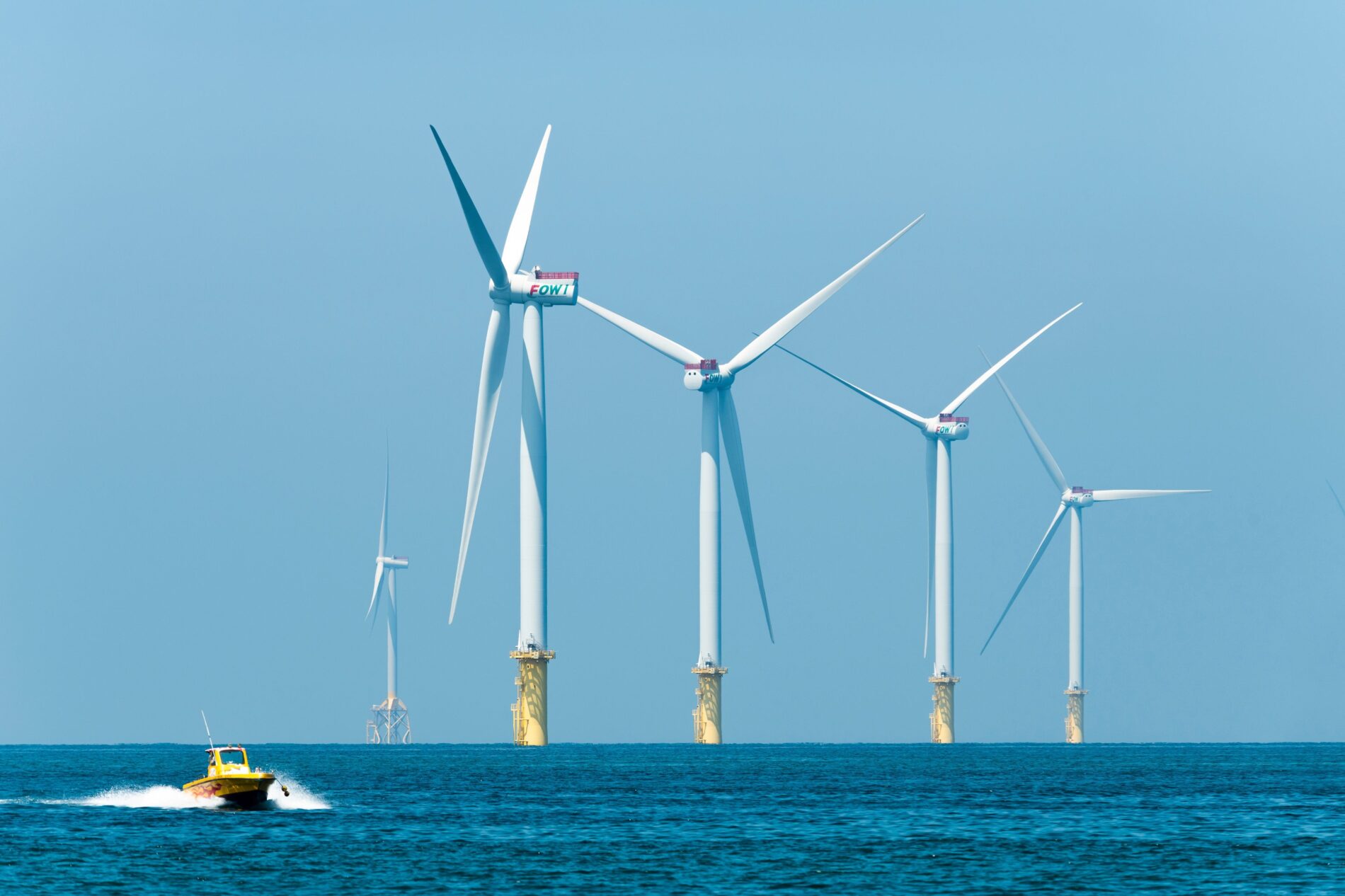
Image: Shutterstock
Large wind farm clusters pose a particular challenge. Turbines extract energy from the air, meaning that installations located downstream generate less electricity. Such “wake effects” reduce output, even as operators continue to face high investment costs.
Yield risks alter the financial equation for new wind farms
Yield risks stem from more than just fluctuating wind speeds. They are also driven by dense offshore development, incomplete grid infrastructure, and falling electricity prices during periods of high wind. Consequently, the gap between installed capacity and actually usable electricity continues to widen.
For investors, therefore, nameplate capacity is not the only metric that matters; full-load hours, grid connection timelines, and revenue from electricity sales are crucial. Furthermore, delays drive up financing costs by tying up capital for longer periods.
Expansion targets remain ambitious despite lagging grid infrastructure
Germany is sticking to highly ambitious expansion targets. Long-term plans call for the development of 70 gigawatts of offshore capacity. Onshore wind capacity is also set to grow significantly, requiring federal states to secure additional land for development.
However, these targets are colliding with a sluggish power system. Building new transmission lines takes years. Moreover, grid bottlenecks frequently force grid operators to intervene, as electricity from wind farms does not always reach the industrial and residential consumers who need it.
Backup power plants remain essential despite wind power
While wind power generates vast amounts of electricity much of the time, output drops sharply during periods of low wind. Germany therefore continues to rely on dispatchable power plants, storage facilities, flexible demand, and secure import options.
This need for backup capacity also shifts the investment logic. Project developers must weigh wind power revenues against system costs, subsidy regulations, and market prices. Additionally, the attractiveness of individual projects diminishes when grid bottlenecks or curtailment measures limit revenue.
Municipalities feel the impact of onshore expansion
Onshore expansion is intensifying local conflicts. Citizens criticize the impact on landscapes, forest areas, and recreational spaces. Furthermore, larger turbines are sparking new debates regarding setback distances, noise, and public acceptance.
Policymakers are nonetheless pushing for faster permitting processes. While this can accelerate procedures, it cannot resolve every conflict over site selection. Project developers must therefore secure sites while also factoring in local opposition.
Power supply requires more than just new turbines
Wind power remains a key component of electricity generation. It reduces the need for fuel imports—provided weather conditions and grid capacity align. At the same time, yield risks demonstrate that simply adding more turbines does not guarantee reliable returns.
For investors, a comprehensive analysis of project economics and costs is therefore essential. This must account for grid connections, reserve capacity requirements, curtailment, wake effects, and site-specific conflicts. Only then can it be determined whether new wind farms will generate sustainable, long-term revenue.
Author: Blackout News
Sources: Reuters (11.06.26) – Welt (11.06.26) – GWEC (09.06.26) – The Guardian (10.06.26)