
Bonn, July 29, 2026: The Federal Network Agency has confirmed the establishment of an electricity security platform designed for prolonged supply crises. The agency has been developing the system since 2024 in collaboration with stakeholders from the electricity industry. It is intended to coordinate the response to a foreseeable electricity shortage lasting several days or weeks. Such a situation would be triggered by a sustained deficit between generation, imports, and consumption. Consequently, large electricity consumers would be required to make binding reductions in their consumption and throttle production. In the event of non-compliance, the grid operator could disconnect the power supply; however, the agency states that there is currently no supply shortage.
Security platform to manage electricity shortages
The Energy Security Act permits state intervention if market-based measures fail to resolve a severe supply crisis in time. In addition, the Electricity Load Distribution Ordinance governs the allocation of scarce electricity supplies. Load dispatchers are authorized to limit the consumption and use of electricity in terms of volume or timing. The new platform is designed to provide digital support for these existing powers.
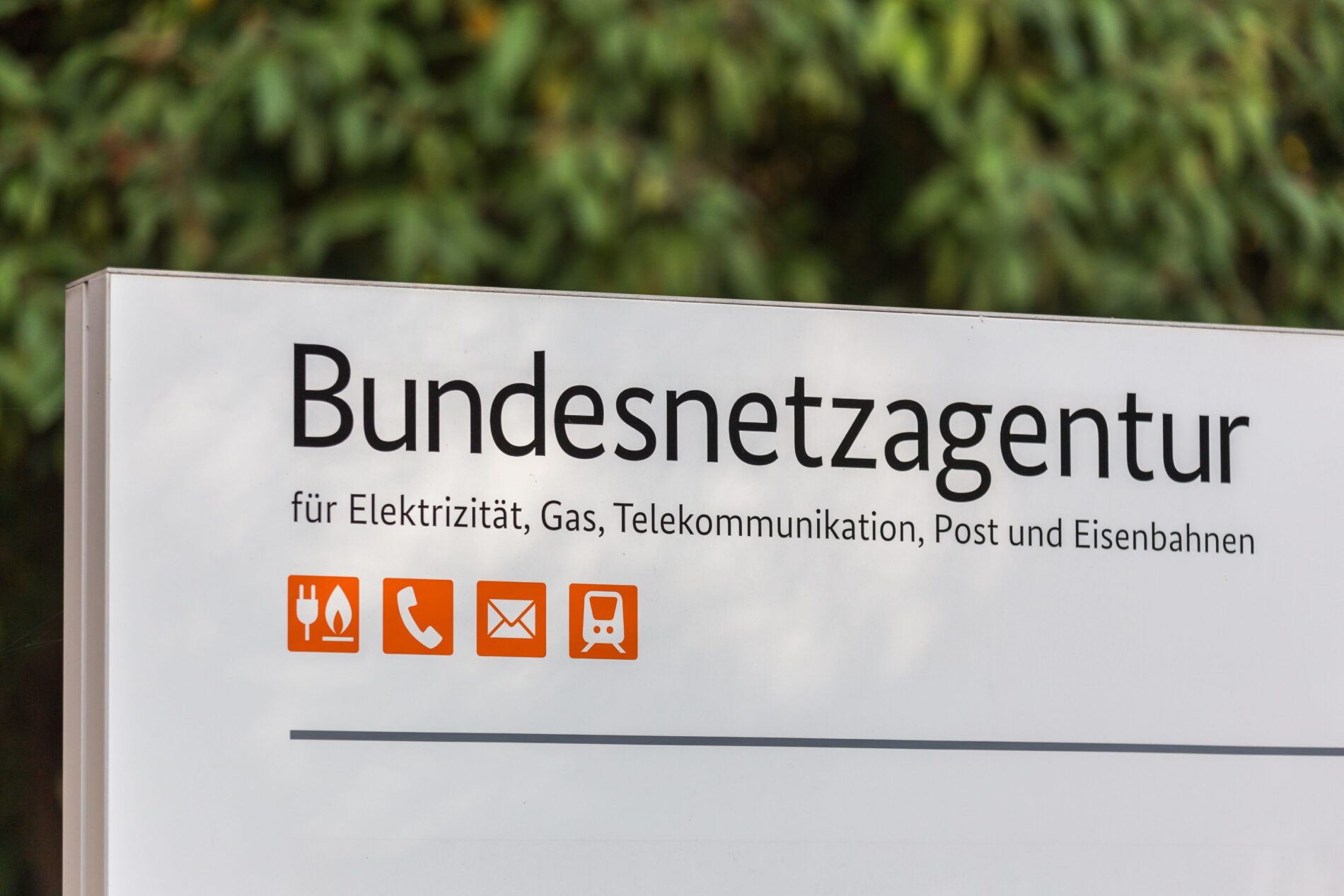
Image: Shutterstock
According to the documentation, companies with an annual consumption of eight gigawatt-hours or more are required to register on the platform. This means the system primarily covers energy-intensive businesses. They are also required to report consumption data, forecasts, and potential savings. Amprion is set to handle technical operations. The Federal Network Agency and Amprion presented the concept to grid operators on June 3, 2026.
Binding requirements for industrial production
In the event of an anticipated electricity shortage, affected companies would receive their consumption targets between three days and at least 24 hours in advance. These directives would constitute binding administrative orders rather than voluntary appeals for conservation. Consequently, businesses would be required to independently reduce their electricity intake to the specified level. Grid operators could subsequently verify the metered data. According to the documents, failure to comply could result in the disconnection of the grid connection.
Such interventions can significantly disrupt continuous production processes. Facilities such as chemical plants, metal smelters, paper mills, and segments of the food industry are particularly sensitive; in these sectors, unplanned interruptions can damage equipment or destroy entire batches of product. However, a government representative stated: “In principle, the Energy Security Act (EnSiG) does not provide for compensation.” This implies that the burden of production losses and consequential damages would largely fall on the companies themselves.
Modeled on the gas platform, but little public information
The gas security platform serves as the technical and organizational model. Through it, the Federal Network Agency registers large-scale consumers, grid operators, traders, and suppliers. The system also collects current and projected consumption data, enabling the agency to derive binding reduction mandates in the event of a gas shortage. A comparable tool is now being developed for electricity shortages.
However, this development does not imply that a weeks-long electricity crisis is imminent. The Federal Network Agency cites no known reasons for its immediate deployment. Nevertheless, Amprion anticipates dwindling reserves in the absence of additional power plants and calls for nearly 40 gigawatts of new firm capacity by 2035. Consequently, on July 21, 2026, the Federal Network Agency issued the first tenders for long-term capacity. These facilities are intended to provide backup during extended periods of low renewable generation or a lack of imports.
The limited public communication regarding the platform remains a sensitive issue. The Federal Network Agency had publicly announced the gas solution in 2022 and provided extensive information. In contrast, as of July 29, 2026, there was no comparable project webpage for the electricity platform. Furthermore, key details have so far originated from unpublished event documents. The agency should therefore fully disclose the criteria, obligations, and potential economic consequences.
Author: Blackout News
Sources: Apollo News (29.07.26) – Bundesnetzagentur (21.07.26) – Bundeswirtschaftsministerium (10.07.26) – Amprion (Stand: 29.07.26)