
Rome – Italy is pushing ahead with its nuclear power comeback, targeting the end of July 2026 for key steps. The first mini-reactors are expected to supply electricity between 2033 and 2035. The government led by Giorgia Meloni cites rising consumption, climate goals, and uncertain energy imports as reasons for the move. Additionally, Energy Minister Gilberto Pichetto Fratin anticipates an increase in electricity demand of at least 30 percent within ten years. Around 55 percent of Italians support modern reactors; however, high costs, a lack of suitable sites, and unresolved issues regarding nuclear waste could delay the timeline.
Nuclear Power Comeback Establishes New Legal Framework
The Chamber of Deputies approved the framework legislation on June 4, 2026. The relevant Senate committee concluded its deliberations on July 22. Now, the full chamber must still give its approval. Subsequently, the government will have twelve months to establish regulations regarding permits, safety, and waste. In addition, a national program is intended to govern the entire nuclear life cycle.
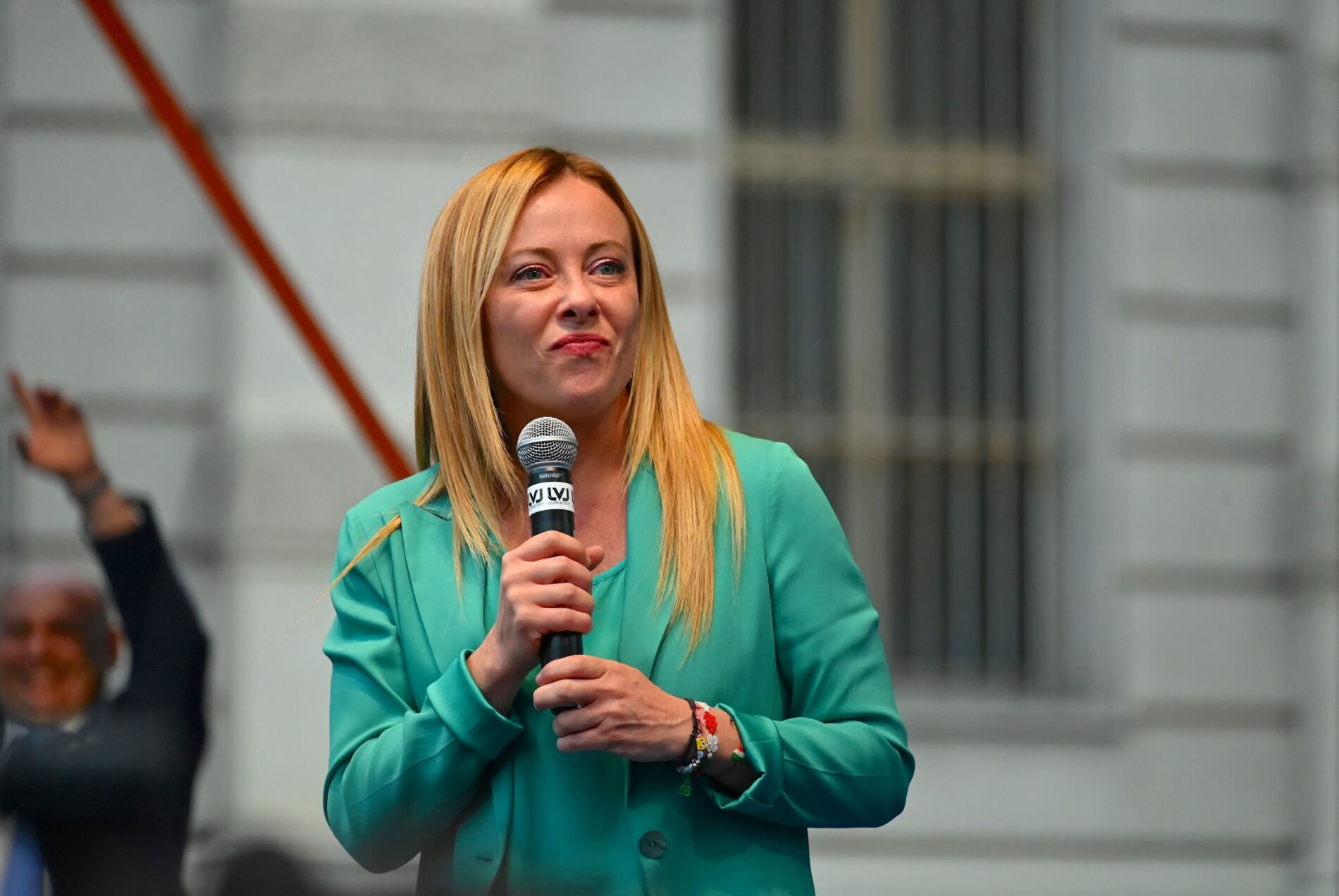
Image: Shutterstock
However, Rome is not planning a return to the large-scale plants of previous decades. The focus is instead on small modular reactors and advanced reactor designs. Energy Minister Pichetto cites the 2033–2035 period as a realistic timeframe for launch. Consequently, the nuclear power comeback remains a medium-term project; it offers no immediate relief regarding current electricity bills.
Young Italians are shifting the political mood
Italy ended its nuclear power generation following the 1987 referendum, a vote heavily influenced by the Chernobyl disaster. A second attempt failed decisively in 2011 in the wake of Fukushima. Today, however, a younger generation is altering the political landscape. Many young Italians increasingly associate nuclear energy with technology, climate protection, and security of supply.
A survey conducted by the institute Only Numbers in June 2026 showed approval levels of around 55 percent. However, support drops significantly once specific sites are up for debate; roughly six out of ten Italians oppose having a reactor in their own province. As a result, local protests could substantially slow down new projects. Another referendum also remains a political possibility.
Costs and nuclear waste slow down Italy’s timeline
Costs also represent the biggest economic hurdle. A single 300-megawatt SMR could cost between three and six billion euros, with grid connections and additional infrastructure adding to the total. Private investors are expected to shoulder a significant share of the burden. Consequently, the nuclear power comeback hinges on reliable financing models and reactors that are ready for serial production.
Furthermore, Italy still lacks a national repository for its existing nuclear waste; much of the radioactive material remains in temporary storage facilities. New reactors would generate additional waste, meaning Rome must simultaneously address the issues of storage, permitting, and site selection. A launch starting in 2033 remains a political goal rather than a confirmed date.
Author: Blackout News
Sources: Associated Press (28.07.26) – Italienischer Senat (22.07.26) – ANSA (13.06.26)