
The EU Commission has authorized Germany to provide greater relief on electricity costs to electricity-intensive industrial companies starting in 2026. This will require the federal government to budget an additional one billion euros, as industrial electricity pricing and electricity price compensation measures may now be partially combined. The primary beneficiaries are expected to be sectors such as steel, chemicals, and paper, which are struggling with high energy costs and international competitive pressure. However, this aid does not address the root cause of the high electricity costs; the subsidy spiral shifts the burden onto taxpayers, electricity customers, and consumers.
High electricity prices remain the core problem
The federal government justifies the relief measures by citing the need to preserve industrial production. This argument is understandable, given that energy-intensive businesses rely heavily on competitive electricity costs. However, the measure does not address the underlying costs of the electricity system; it merely offsets a portion of the financial burden.
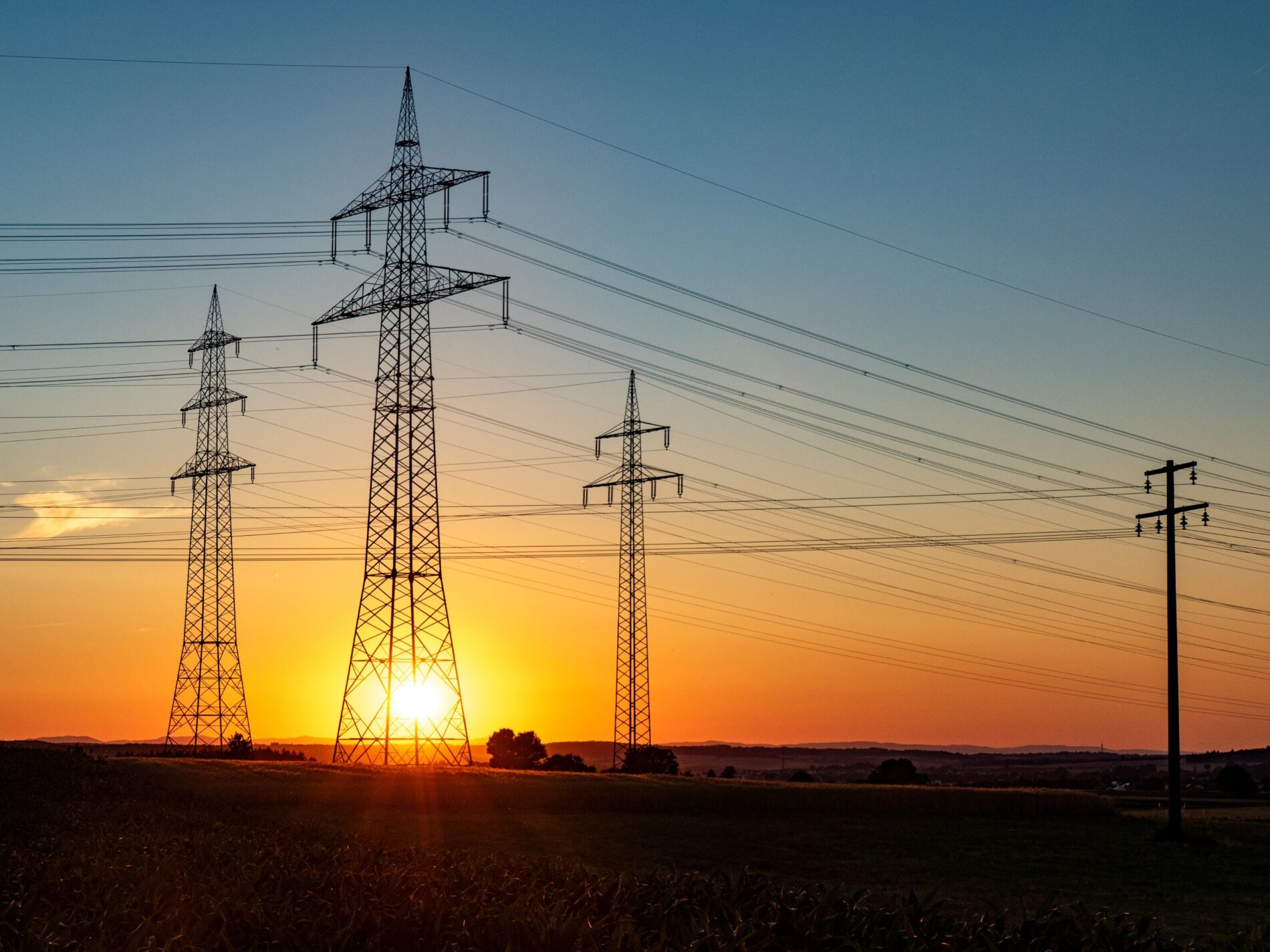
Bild: Shutterstock
For years, Germany has faced high energy prices affecting industry, small and medium-sized enterprises (SMEs), and private households. Grid fees, CO₂ costs, system interventions, and government-mandated price components drive up the bill. Consequently, political promises regarding affordable energy are insufficient; what matters are actual costs, not new compensatory payments.
Subsidy spiral alters domestic competition
The industrial electricity price reduces the burden on selected companies but simultaneously creates new market disparities. Those meeting eligibility criteria receive a state-subsidized electricity price, while those falling just outside these criteria continue to pay the full amount.
This places non-subsidized businesses at a disadvantage. They compete against companies whose energy costs are partially covered by the state. While some benefit from lower production costs, others lose margins and pricing flexibility, fueling pressure for further aid.
Consumers foot the bill in various ways
The subsidy spiral began with massive support for renewable energy. The state initially intervened in electricity generation, financing the energy system’s transformation with billions in funding. This was followed by new costs for grid expansion, reserve capacities, redispatch measures, and system stability. CO₂ pricing introduced yet another layer of politically imposed costs.
This sequence created an electricity price level that makes further subsidies almost politically inevitable. First, technologies are subsidized. Then, system costs rise. Next, energy-intensive companies lose ground in international competition. Subsequently, the state subsidizes their electricity prices, leaving non-beneficiary businesses at a disadvantage. Thus, through their side effects, almost every subsidy triggers the next one.
The cost does not disappear for the consumer. If the federal government funds relief measures from the budget, citizens bear the cost through taxes. If the state relies on new debt, future taxpayers pay the price. If grid fees or other electricity price components rise, the burden lands directly on the electricity bill.
Lower electricity prices would be more effective than new aid programs
This latest billion-euro package illustrates just how far energy policy has strayed from its original objective. For years, citizens and businesses have been promised affordable energy prices. In reality, however, a constant stream of new exemptions, special rules, and budgetary risks—such as the industrial electricity price—is emerging. This makes the system more expensive and less transparent.
Germany needs competitive electricity prices, not a never-ending cycle of compensation measures. To achieve this, policymakers must openly address grid fees, CO₂ pricing, security-of-supply costs, and system interventions as the cost drivers they are. Until that happens, any relief measure will merely serve as a precursor to the next subsidy spiral. Germany’s industrial base will only regain its strength when companies can operate profitably without special political aid.
Author: Blackout-News – (KOB)
Sources: Reuters (09.06.26) – Zeit (09.06.26) – Handelsblatt (09.06.26) – Bundesministerium für Wirtschaft und Energie (26.05.26)