Germany’s electricity supply performs surprisingly poorly in a new international study. The British-based Adam Smith Institute ranks Germany 69th out of 187 countries in terms of supply security—placing it behind Iraq, Bosnia and Herzegovina, and Kyrgyzstan. In the category of electricity generation available on demand, Germany ranks as low as 180th. A key factor is the growing share of weather-dependent energy sources, coupled with the simultaneous loss of conventional power plant capacity. These findings highlight structural challenges for industry, households, and long-term security of supply.
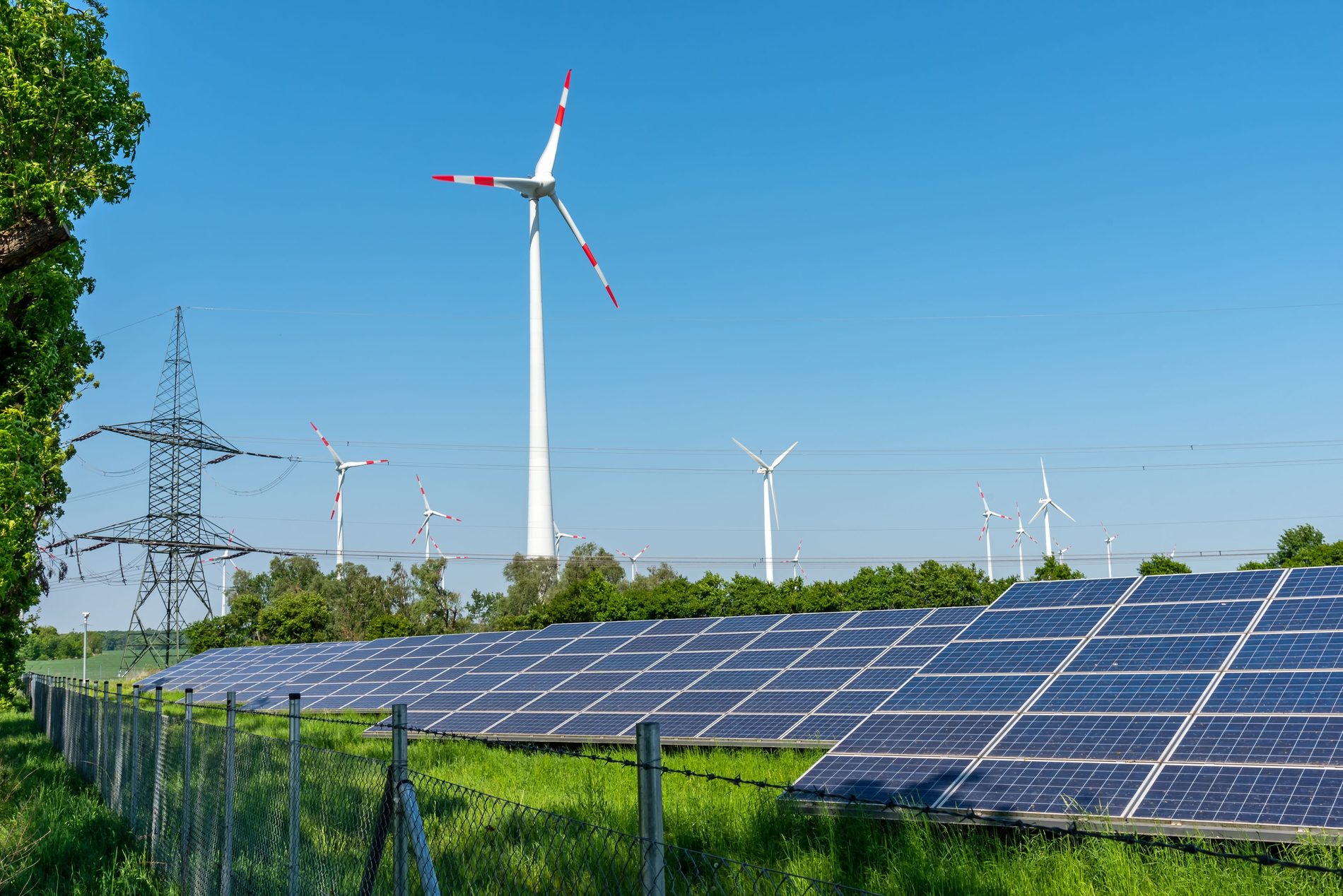
Image: Shutterstock
Power Supply: Germany Ranks Near the Bottom for Dispatchable Generation
The Global Energy Security Index 2026, published on October 19, evaluates four key aspects of energy supply: dispatchable power generation, diversity of energy sources, security of imports, and economic affordability. Germany scores 72.4 out of 100 points overall. Iraq ranks slightly ahead at 66th place with 72.9 points, while Bosnia and Herzegovina sits at 68th, and Kyrgyzstan at 57th.
Particularly concerning is Germany’s poor rating for dispatchable power generation—that is, electricity production that can be called upon as needed. This category includes nuclear, coal, and gas-fired power plants, as well as hydropower and bioenergy. In contrast, wind and solar photovoltaic power receive no points in this sub-index. Because these sources generate electricity only depending on weather conditions and the time of day, other facilities or energy storage systems are required to bridge any supply gaps.
Nuclear phase-out and a growing share of green electricity are transforming the energy supply
Germany shut down its final nuclear power plants in April 2023. At the same time, the share of renewable energy in electricity generation continues to rise. In the first half of 2026, 59.1 percent of domestically generated and fed-in electricity came from renewable sources—with wind power accounting for 29.4 percent and photovoltaics for another 17.8 percent. However, the total annual volume of electricity says little about the “secured capacity” (reliable power output) available during periods of low wind and solar generation—a phenomenon known in German as a Dunkelflaute (a “dark doldrum”).
It should be noted that this ranking does not measure actual power outages and therefore does not allow for a direct comparison of grid reliability with a country like Iraq. Furthermore, the internationally comparable baseline data is primarily based on the year 2024. As the outage statistics from the Federal Network Agency (Bundesnetzagentur) demonstrate, Germany continues to have a highly reliable power grid. Nevertheless, a core challenge remains: sufficient secured capacity must be available at all times, even when wind and solar power production are low.
Nearly one in two surveyed companies reports short-term power outages
A recent survey by the Association of Bavarian Business (Vereinigung der Bayerischen Wirtschaft) highlights how sensitive the economy is to supply interruptions. More than 48 percent of the companies surveyed reported power outages lasting less than three minutes—an increase from under 40 percent the previous year. Just over 60 percent of the affected businesses suffered economic losses as a result. Even so, more than 82 percent of respondents still rate the overall security of supply as “good” or “very good.”
For industrial production facilities, even brief interruptions can have significant consequences: machines lose their operational status, control systems fail, and manufacturing processes must be restarted. Notably, however, official outage statistics do not track such events lasting less than three minutes. For 2024, the Federal Network Agency reported an average interruption duration of 11.7 minutes per consumer. Consequently, this favorable figure does not account for all operational risks.
Expansion of the electricity grid lags behind the transformation of the energy supply
Furthermore, there are significant delays in the expansion of transmission grids. According to a recent analysis of data from the Federal Network Agency (Bundesnetzagentur), 7,983 kilometers of new power lines should have been completed by now. In reality, only 2,929 kilometers were in operation as of October 21, 2026—leaving a shortfall of more than 5,000 kilometers compared to the original schedules. Meanwhile, wind and solar capacity continues to grow, even though essential transmission links are not yet in place.
The Federal Government estimates that more than 300 billion euros in investment will be required for electricity distribution and heating networks by 2045. At the same time, grid operators must continuously balance generation and consumption. To do so, they require not only high-capacity power lines but also a sufficient number of dispatchable power plants, energy storage systems, and flexible consumers. While the study does not point to an imminent electricity crisis, it does highlight that expanding weather-dependent power generation alone is not enough to guarantee a reliably secure energy supply in the long term.
Author: Blackout News
Sources: Adam Smith Institute (19.10.26) – Cash (22.10.26) – Onet (22.10.26) – Deutsche Welle (23.10.26)