
The planned gas-fired power plant in Ensdorf, Saarland, failed to secure a subsidy award in the initial power plant tender. On November 3, 2026, the Federal Network Agency (Bundesnetzagentur) announced the successful projects, but Ensdorf was not among them. The French energy company ENGIE is planning a hydrogen-ready power plant at the site with a capacity of 850 megawatts; however, the investment is heavily dependent on government subsidies. Meanwhile, Germany is experiencing a “Dunkelflaute”—a period of low wind and solar output—accompanied by exceptionally high electricity prices on the exchange. For November 9, the hourly price reached 644 euros per megawatt-hour. This once again underscores the urgent need for additional, dispatchable power generation capacity that is available at all times.
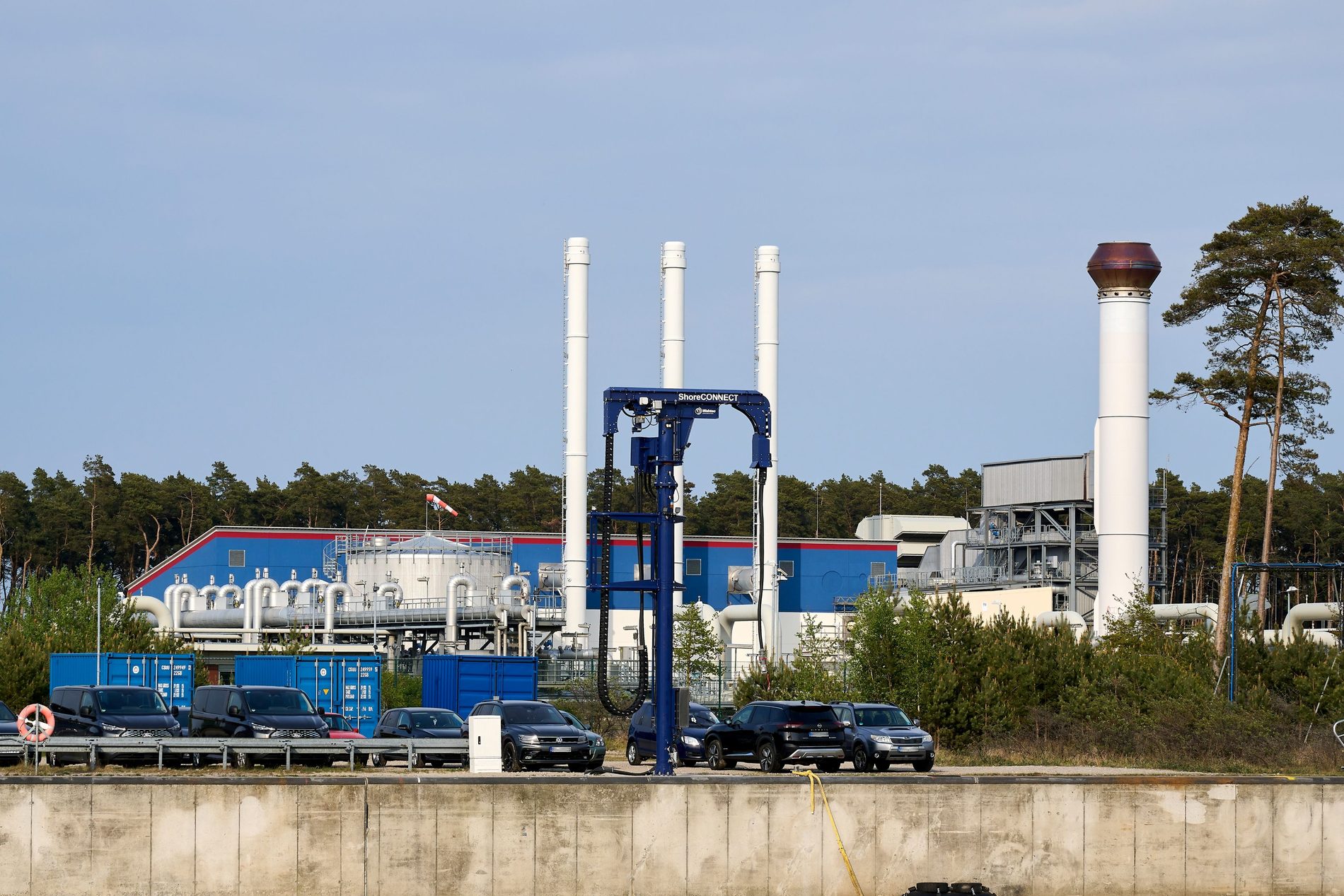
Image: Shutterstock
Electricity prices are exploding – Germany urgently needs new gas-fired power plants
Recent spikes in electricity prices highlight the dependence on power generation that is independent of weather conditions. On November 9, the average wholesale electricity price reached approximately 346 euros per megawatt-hour. For the hour between 5 p.m. and 6 p.m., the price even hit 644 euros. This puts the daily average about 43 percent higher than the previous day. As early as the end of October, low wind speeds and poor solar yields had already driven up electricity prices significantly.
A particular problem is the lack of reliable, dispatchable capacity during extended periods of low wind and solar output—often referred to in German as “Dunkelflaute” (a “dark doldrum”). During such times, wind turbines and solar panels provide only a fraction of their installed capacity. Consequently, conventional power plants must step in, or additional electricity must be imported. Gas-fired power plants are capable of flexibly adjusting their output, thereby helping to stabilize the power grid. However, there is a long-term shortage of such facilities, even as Germany simultaneously pursues a phase-out of coal-fired power generation.
Ensdorf gas-fired power plant intended to provide 850 megawatts of firm capacity
The planned power plant would be of significant importance to the state of Saarland. ENGIE intends to build a new combined-cycle gas turbine (CCGT) plant on the site of a former coal-fired power station, having already secured an eight-hectare industrial plot for this purpose. The investment is expected to total approximately one billion euros. However, ENGIE has made its final decision to proceed contingent upon receiving a subsidy, as well as confirming the project’s technical and regulatory feasibility.
It is precisely this subsidy that was not secured in the first round of bidding. The German federal government had explicitly developed its power plant strategy to safeguard the security of energy supply. The Federal Network Agency (Bundesnetzagentur) awarded eleven contracts, totaling roughly 5,160 megawatts of eligible capacity—yet none of these projects are located in Saarland. It remains unclear whether ENGIE submitted a bid at all or if the project failed to meet the subsidy criteria. Consequently, the future of the Ensdorf gas-fired power plant remains uncertain.
Multi-billion euro subsidy approved – new power plants not expected until 2031
The initial tender for power plant capacity was heavily oversubscribed, with 41 bids totaling nearly twelve gigawatts. Ultimately, the contracts were awarded primarily to energy companies RWE and LEAG; ten of the eleven successful bids went to these corporations and their affiliates. Over a 15-year period, the subsidy commitments are estimated to reach approximately twelve billion euros. These costs are ultimately to be borne by electricity consumers, unless offset by revenue repayments.
The timeline, however, is particularly concerning. The new gas-fired power plants are not expected to provide additional firm capacity until 2031. Until then, Germany will have to navigate further winters relying on its existing fleet of power plants. However, the current period of low wind and solar output—a so-called “Dunkelflaute”—is already causing significant price fluctuations. While high wholesale electricity prices are not proof of an imminent power outage, they do illustrate just how expensive the electricity supply can become when wind and solar generation are low.
Federal Government Celebrates Auction Success – Ensdorf Must Continue to Wait
Federal Economic Affairs Minister Katherina Reiche nonetheless described the first auction as a major success. Meanwhile, however, her ministry is already considering changes to the rules for the second round—specifically regarding requirements for minimum investment. The Federal Network Agency (Bundesnetzagentur) intends to announce the next auction on November 10, with the bid submission deadline set for December 29. This may provide the Ensdorf gas-fired power plant with another opportunity to secure a contract.
For industry and the power supply, however, the delay remains a significant problem. Germany requires additional dispatchable capacity, as wind and solar energy—even with further expansion—cannot guarantee continuous power generation. New gas-fired power plants could bolster both security of supply and grid stability, while helping to alleviate supply shortages. That said, an additional power plant unit will not automatically lower electricity prices as long as natural gas remains expensive. What is crucial is having sufficient capacity, available fuel, and timely investment. Although the federal government has initiated billions in subsidies, no binding decision to proceed with construction has yet been made for Ensdorf. The current “Dunkelflaute” (a period of low wind and solar output) underscores the fact that additional power plant capacity is needed in reality, not just on paper.
Author: Blackout News
Sources: WirtschaftsWoche (09.11.26) – Voltcast (09.11.26) – wndn (08.11.26) – Bundesnetzagentur (03.11.26)