
Berlin – The Federal Ministry of Economics is examining whether coal-fired power plants currently held in reserve should generate electricity more frequently. This move was prompted by a proposal from Sepp Müller, deputy leader of the Union parliamentary group, in response to high gas and electricity prices. These plants could replace gas in electricity generation, thereby making it easier to build up gas storage reserves. However, many of the reserve units are old and inefficient. Furthermore, there are economic, technical, and European legal hurdles to overcome.
High gas prices put old power plants back on the agenda
Müller is calling for reserve plants to be permanently reintroduced into the electricity market. Under his proposal, the coal-fired power plants would operate until sufficient new dispatchable power plants are available—a timeframe he estimates extending to around 2030 or 2031. This would reduce the amount of gas Germany uses for electricity generation, thereby freeing up larger quantities for other consumers or for storage.
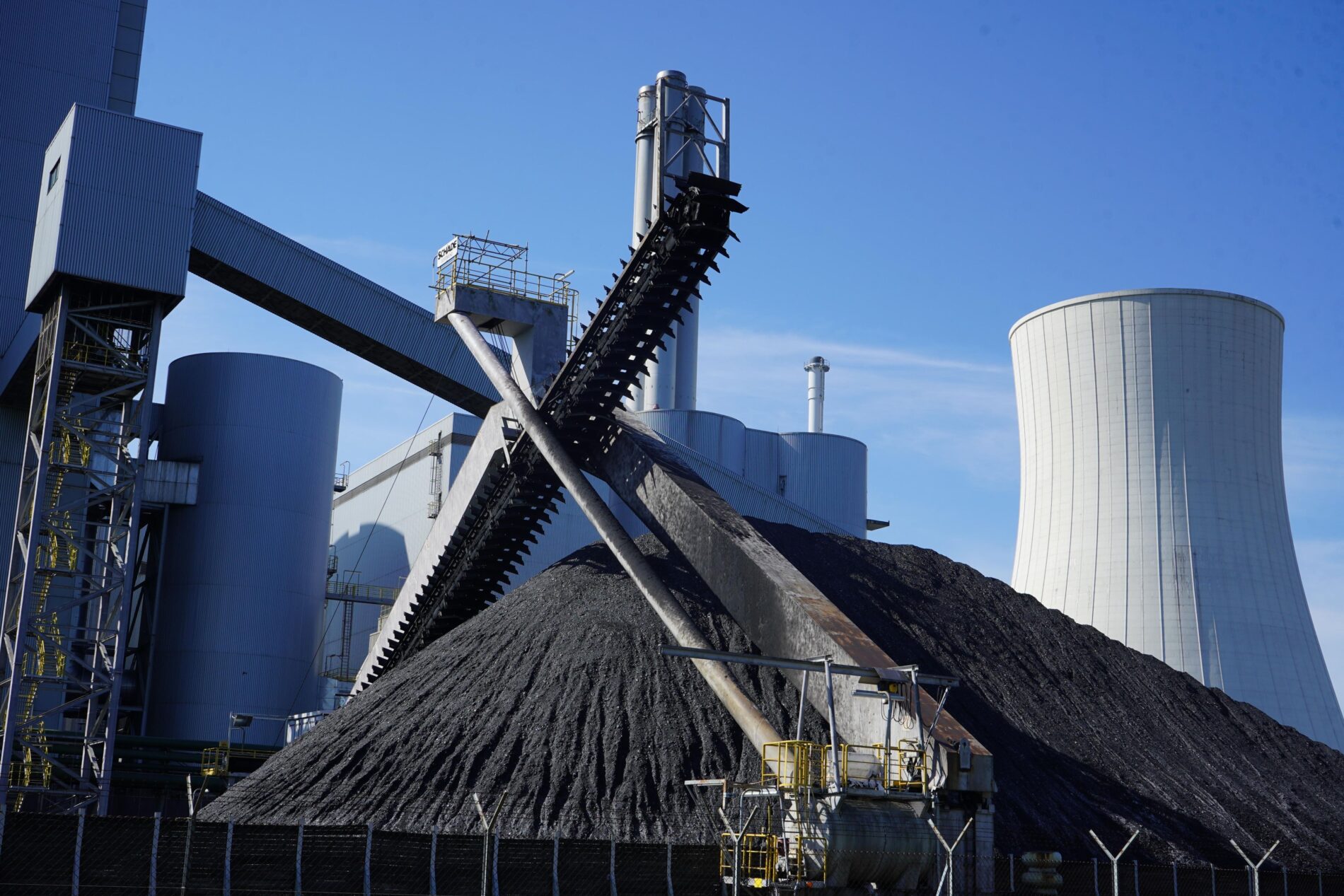
Image: Shutterstock
The economic context is significant. In the second quarter of 2026, the average price of electricity in German day-ahead trading was 95.21 euros per megawatt-hour; a year earlier, it had been 69.73 euros. At the same time, wholesale gas prices were around 25 percent higher than the previous year’s level. Furthermore, electricity generation from natural gas increased despite the higher fuel costs.
Coal-fired power plants in the grid reserve currently serve a different purpose
However, the grid reserve is not intended to generate the cheapest possible electricity for the market. Transmission system operators draw upon it when bottlenecks in the power grid threaten secure operation. For the winter of 2026/27, the Federal Network Agency identified a requirement of 7,407 megawatts. German reserve facilities are expected to provide 4,742 megawatts of this total, meaning an additional 2,665 megawatts must be sourced from power plants abroad.
The reserve itself also entails high costs. In the first quarter of 2026, the combined cost of maintaining and deploying reserve power plants amounted to approximately 430 million euros—an increase of about 21 percent compared to the same quarter the previous year. Moreover, older coal-fired units are often less efficient than modern power plants. If they were to operate continuously on the market, additional fuel and CO₂ costs would be incurred.
New dispatchable power plants will not be ready immediately
Germany therefore intends to build up additional firm capacity. The Electricity Supply Security and Capacity Act establishes a new framework for this purpose. Tenders for a combined total of around ten gigawatts of long-term capacity are scheduled for September and December 2026, with a further two gigawatts to follow in May 2027. These new facilities are intended to provide sufficient dispatchable capacity by the early 2030s at the latest.
In the interim, however, there remains a time gap between the coal phase-out and the availability of new capacity. Chancellor Friedrich Merz is nonetheless sticking to the statutory phase-out deadline of 2038 at the latest. At the same time, replacement power plants must be available in good time. Precisely for this reason, existing coal-fired power plants could regain significant importance for a few years. Whether this actually lowers electricity prices, however, depends on fuel costs, CO₂ prices, efficiency levels, and European electricity market rules.
Author: Blackout News
Sources: Die Zeit (31.08.26) – WirtschaftsWoche (29.08.26)