
Berlin – Germany’s gas supply is entering the critical pre-winter phase with unusually low reserves. Storage facilities were only 48.63 percent full on August 12; the figure was significantly higher at the same time last year. Nevertheless, the government has so far rejected short-term emergency state purchases. At the same time, high gas prices are making it difficult to continue filling storage facilities. The war involving Iran and the closure of the Strait of Hormuz are exacerbating the situation in the LNG market. Consequently, a cold winter could trigger further price hikes and supply problems for industry and households.
Gas supply increasingly dependent on global market and weather
Although Germany has rebuilt its reserves since the spring, the gap compared to previous years remains significant. Moreover, European storage levels—at around 59 percent—are well above the German figure. Europe as a whole is currently recording its lowest storage levels for this time of year since data collection began in 2011.
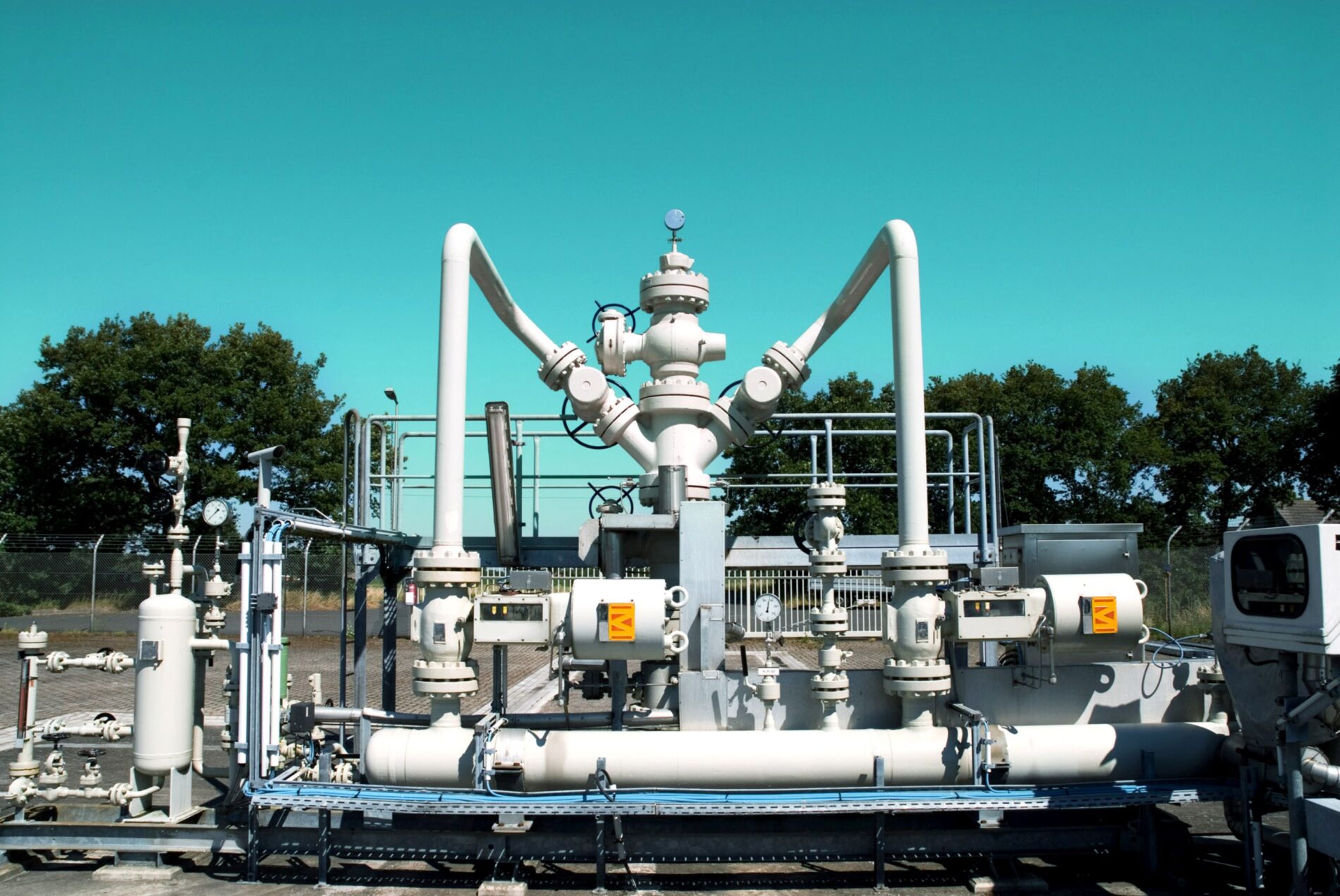
Image: ©Storag Etzel
There are primarily economic reasons for the low storage levels. Traders used to be able to buy gas cheaply in the summer and sell it at a higher price in the winter. However, this business model is currently barely viable. Short-term gas is already expensive, while geopolitical uncertainty is driving up prices further. Consequently, a key financial incentive for injecting gas into storage is missing.
High prices hinder winter preparations
Uniper views this as a specific risk to gas supplies. CEO Michael Lewis expects prices to range between 50 and 60 euros per megawatt-hour as long as the Strait of Hormuz remains closed. In his assessment, prices would need to fall to achieve a storage level of around 70 percent by November; otherwise, filling storage facilities remains economically unattractive for traders.
Nevertheless, the German government continues to rely on market mechanisms. In early August, the Ministry of Economic Affairs stated that companies and traders bear responsibility for winter preparations. It also noted that LNG and additional import routes have created new options. Therefore, the government does not currently intend to mandate short-term purchases to fill storage facilities. The ministry did not announce any specific additional measures.
Statutory storage targets offer only limited security
By November 1, most German storage facilities must reach an 80 percent fill level. However, a target of only 45 percent applies to Bad Lauchstädt, Frankenthal, Hähnlein, Rehden, Stockstadt, and Uelsen. This special rule has been in place since May 2025; it is therefore not a reaction to the current conflict in the Middle East. The requirements take into account factors such as the technical characteristics and geographic location of these facilities.
At the same time, Berlin is planning a state-held gas reserve of around 24 terawatt-hours. However, this will not improve gas supplies for the upcoming heating season. Initial storage bookings are scheduled only for the winter of 2026/27, with actual filling set to begin in the summer of 2027. Establishing the reserve could cost between 1.2 and 1.5 billion euros, with funding to be provided via a levy on gas consumers.
Consequently, existing import infrastructure remains the primary safeguard for the coming winter. Germany can source gas from Norway as well as via LNG terminals and neighboring European countries. However, an exceptionally cold winter would significantly drive up consumption. As early as May, INES warned of potential supply issues, even with substantially higher storage bookings. Furthermore, in the event of tight supplies, Europe would need to source more LNG from the global market, where it competes with Asian buyers for the same volumes. Thus, low storage levels do not automatically imply a gas shortage, but they do reduce the buffer against cold weather and supply disruptions.
Author: Blackout News
Sources: Merkur (12.08.26) – Reuters (11.08.26) – Die Bundesregierung (05.08.26) – Welt (07.07.26)