
Brussels is intensifying the phase-out of Russian gas; a European Commission directive will prohibit EU companies from trading Russian LNG with third countries starting in 2027. This EU ban follows the political rift with Moscow triggered by the attack on Ukraine. The move affects Berlin-based Sefe, TotalEnergies, and Naturgy, all of which hold long-term contracts with the Yamal project in the Russian Arctic. Previously, reselling the gas to Asia served as an alternative outlet. Now, however, the companies face the threat of contract disputes, payment obligations, and reduced flexibility in the gas market.
EU ban rules out resale
The Commission clarifies that the destination port is irrelevant; the decisive factor is the company’s place of business within the EU. This effectively rules out sales to China, India, or other markets. Consequently, the option for traders to place Russian LNG cargoes outside Europe is eliminated.
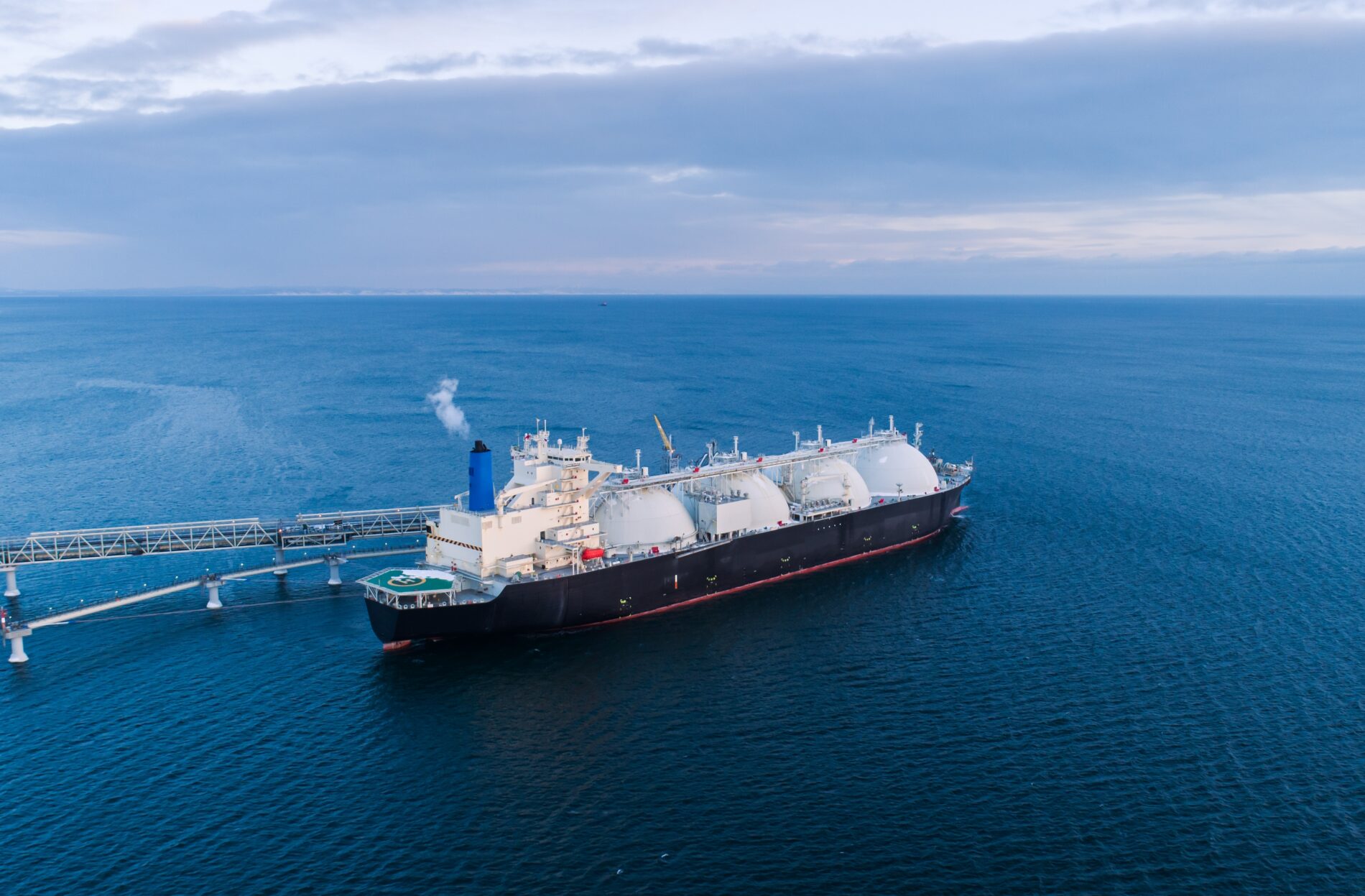
Image: Shutterstock
The EU ban particularly affects companies with legacy contracts. Some of these contracts extend well beyond 2027 and often include obligations regarding both the purchase and payment of gas. Consequently, buyers cannot simply extricate themselves from these supply arrangements.
Sefe in the spotlight over Yamal contract
Sefe is of particular importance to Germany, having emerged from the former Gazprom Germania. The state took control of the company following the energy crisis, and it is now one of Europe’s major gas importers. As a result, any modification to the Yamal contract carries significant political and economic weight.
Sefe has stated that it will comply with European regulations. At the same time, the company could invoke force majeure. However, this legal argument remains precarious, as suppliers can claim compensation if buyers fail to take delivery of contractually agreed volumes.
TotalEnergies and Naturgy also face multi-billion-euro risks
Naturgy is also facing a heavy financial burden; the Spanish group has valued the affected purchase obligations at €10.95 billion. Given the contract’s long-term nature, a significant conflict has arisen between EU law and the supply agreement. The EU ban is therefore intensifying pressure for renegotiations with Yamal LNG.
TotalEnergies also holds a stake in the Yamal project and purchases LNG from it. CEO Patrick Pouyanné has already called on the authorities to provide clarity. If the option to resell the gas were to be eliminated, a withdrawal from the project could become an increasingly likely economic prospect.
Gas market to lose further flexibility from 2027
The European gas market faces diminishing room for maneuver. While Europe is increasingly replacing Russian gas with LNG from other countries, long-term contracts do not simply disappear. Consequently, legal disputes could drive up costs for individual importers.
This does not immediately result in supply shortages for German customers. However, reliance on alternative suppliers—such as the USA, Qatar, Norway, and Canada—is growing. Moreover, every new LNG shipment becomes increasingly important as Europe fully replaces Russian supplies.
Author: Blackout News
Sources: Berliner Zeitung (19.06.26) – Reuters (18.06.26) – EU Today (19.06.26) – Energy News (19.06.26) – Wallstreet-Online (19.06.26)