
On Sunday morning, Enexis triggered a brownout in Tilburg-Zuid, Netherlands, and several surrounding areas. Enexis is a regional Dutch grid operator for electricity and gas networks, serving regions including North Brabant and the city of Tilburg. Fearing a grid overload due to a faulty meter reading, the company took the precautionary measure of disconnecting approximately 18,000 households and businesses from the power grid. It later turned out that there was no actual overload. Traffic lights failed, people were trapped in elevators, and the Beekse Bergen Zoo also lost power for a time. Full power supply was restored after a short period.
Brownout Following Incorrect Measurement
On Sunday, the control center detected a seemingly dangerous load spike in the power grid. However, initial checks revealed that there was no actual overload. A measurement setting had been altered during work at a substation the previous Friday, causing a device to subsequently register a current flow roughly five times higher than the actual level.
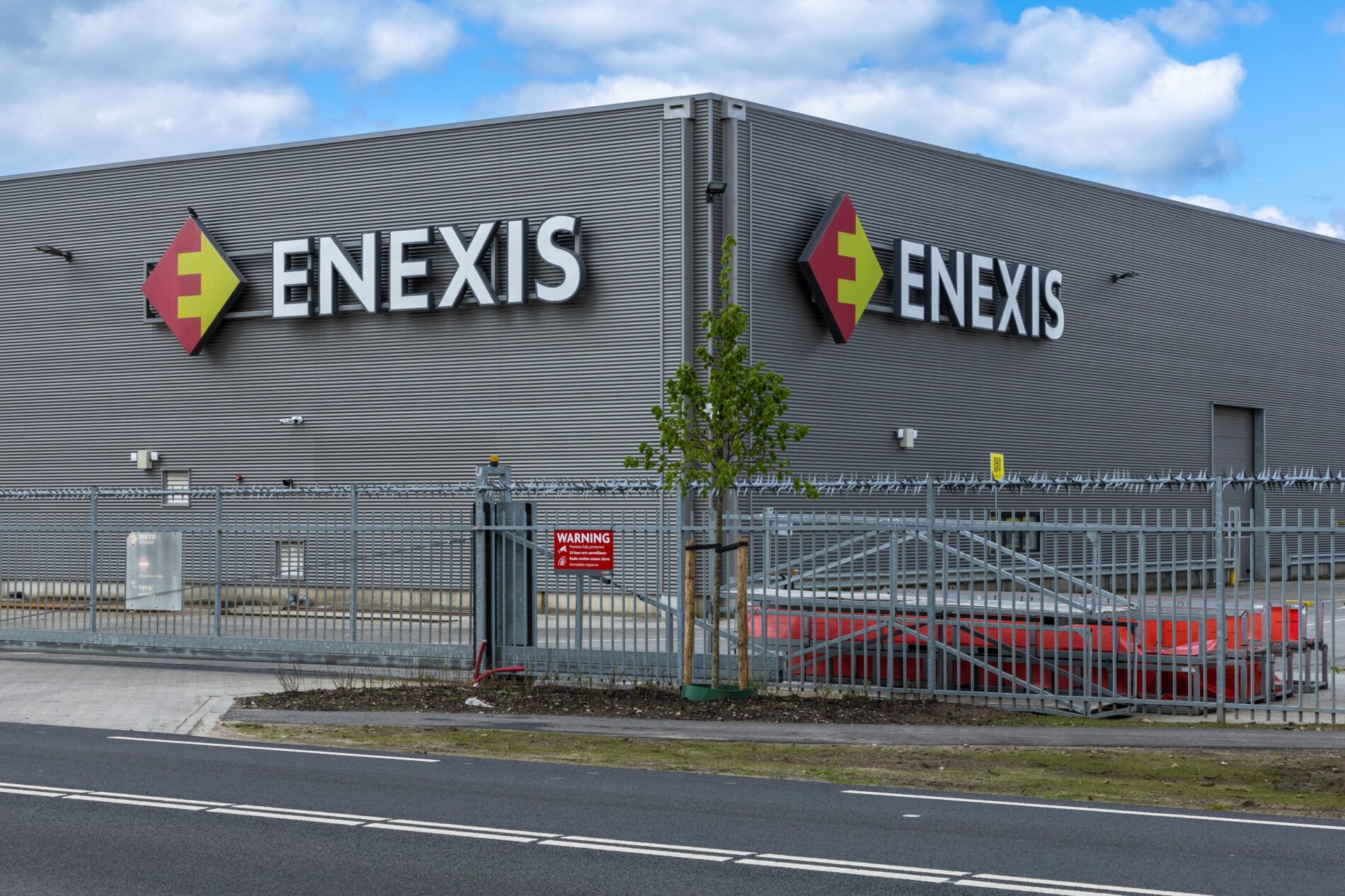
Image: Shutterstock
Enexis therefore initiated the brownout as a protective measure. For the grid operator, the priority at that moment was protecting cables, substations, and other infrastructure. Had there been a genuine overload, components could have overheated. Furthermore, damaged grid components would have resulted in prolonged outages.
Grid operator defends rapid shutdown
Enexis board member Han Slootweg later acknowledged that, in hindsight, the intervention had been unnecessary. However, he firmly defended the decision. “With the benefit of hindsight, we wouldn’t have needed to do it, but given what we knew at the time, we certainly had to,” Slootweg said.
Other grid operators also considered the reaction understandable. A genuine overload can trigger short circuits and heat buildup in grid components, and repairs to damaged transformers can take a long time. The brownout therefore illustrates how little time control centers have to act when faced with critical readings.
Netherlands grappling with overloaded grids
The incident did not indicate an actual grid overload in Tilburg. Nevertheless, it affects a country whose electricity grid has been reaching its limits for years. Electric vehicles, heat pumps, and induction cooktops are increasing local load. Additionally, solar power systems often feed electricity into the grid at times when it has little capacity to absorb it.
The situation is particularly strained in parts of the Enexis service area, including substations serving Den Bosch, Eindhoven, Tilburg, and other locations. New rules regarding limited grid capacity have been in effect in the Netherlands since July; consequently, households, small businesses, and large industrial operations in areas with capacity constraints are being placed on shared waiting lists.
Controlled Shutdown Remains a Warning Signal
For consumers, this case translates to greater uncertainty regarding plans to expand their electrical infrastructure. Anyone applying for a wallbox, heat pump, or a higher-capacity power connection must therefore check for local grid bottlenecks. While existing connections remain unaffected, new capacity can only be created through grid expansion or more flexible consumption patterns.
The incident in Tilburg was not a brownout caused by actual grid overload. However, it demonstrates how quickly a technical fault can trigger real-world consequences. Enexis disconnected 18,000 customers from the grid because the control center sought to prevent major damage. The energy transition is making such decisions both more frequent and more consequential.
Author: Blackout-News
Sources: NL Times (06.07.26) – Enexis (06.07.26) – Omroepbrabant (06.07.26) – Rijksoverheid (Stand: 07.06.26)