In Belgium, the Flemish party Groen has proposed a fundamental shift in its stance on nuclear power. The party leadership is now willing to accept nuclear energy—subject to certain conditions—as a transitional solution. This move is prompted by growing electricity demand, reliance on imported gas, and concerns regarding the security of the power supply. The proposal comes late, however, as five of Belgium’s seven reactors have already been permanently shut down. Consequently, the issue is not merely a matter of fundamental political policy, but also concerns the future of existing power generation capacity.
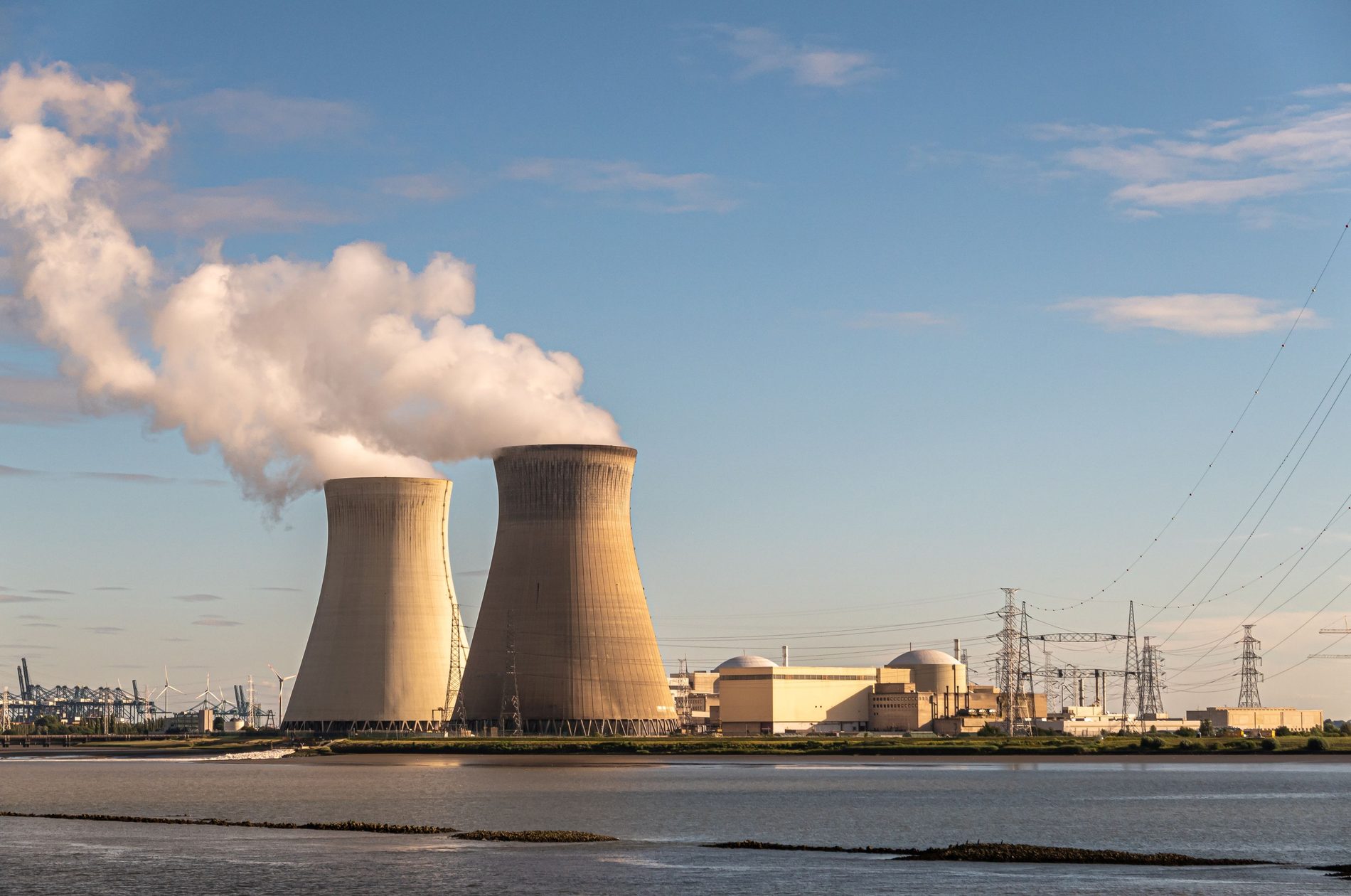
Image: Shutterstock
Finland’s Greens have long since accepted nuclear power
In Finland, the Green Party (Vihreät) has fundamentally shifted its stance on nuclear energy. The party supports the continued operation of existing reactors, provided that nuclear regulatory authorities confirm their safety. Furthermore, it seeks to remove unnecessary barriers for small modular reactors and applications such as district heating. Consequently, for Finland’s Greens, nuclear power is now considered a potential component of a low-emission energy supply. However, they do not offer blanket support for all new construction and insist on rigorous safety oversight.
In the United Kingdom, the Green Party of England and Wales has abandoned its long-standing, fundamental opposition to nuclear power. A party resolution now acknowledges nuclear fission as a low-carbon method of electricity generation—though wind and solar energy remain the top priorities. This means that extending the operational lifespan of existing reactors is also viewed as a potential solution for the power supply. New nuclear power plants, however, do not receive automatic endorsement; instead, each project is to be evaluated on an individual basis. In this context, the shift in position does not equate to a blanket approval of every nuclear project.
Belgium has already shut down five reactors
Under its former name, Agalev, the party Groen made the phase-out of nuclear energy a condition for its participation in government. This led to legislation requiring the shutdown of all seven of Belgium’s nuclear reactors. Although subsequent governments extended the operational lifespan of two of them, five reactors have since been permanently taken off the grid. Consequently, only Doel 4 and Tihange 3—located at the Doel and Tihange nuclear power plants—continue to generate electricity. This nuclear phase-out has removed approximately 3.9 gigawatts of installed nuclear power capacity from the country.
However, these shutdowns cannot simply be reversed by a party resolution. Any potential restart of decommissioned reactors would require new safety inspections, permits, and, potentially, technical upgrades. Furthermore, the necessary personnel and fuel would need to be secured once again. To date, even Groen considers the reactivation of the five shut-down reactors to be technically and economically unrealistic. Therefore, the party’s newfound openness is focused primarily on the facilities that remain in operation.
Nuclear power intended to reduce reliance on gas
The Belgian government has already repealed the legislation mandating a nuclear phase-out. It has also entered into negotiations with the French energy company Engie regarding the acquisition of its Belgian nuclear assets. The proposed deal encompasses both operational and decommissioned reactors, as well as the associated obligations for dismantling and site remediation. However, reaching an agreement has proven difficult due to conflicting valuations and financial risks. For Groen, this creates a contradiction between a newfound interest in nuclear power and the party’s long-standing opposition to costly state-led acquisitions.
The debate also has an economic dimension. While a nuclear power plant provides a steady supply of electricity regardless of weather conditions, it cannot, on its own, replace the need for grid flexibility or energy storage. If reliable, dispatchable capacity is lacking, the gap must be filled by natural gas, electricity imports, or other controllable power sources. For this reason, the Green parties in Finland and Great Britain are increasingly evaluating nuclear power based on its contribution to a low-carbon electricity supply. However, new reactors are capital-intensive and require long planning periods. Consequently, the short-term benefit lies more in the safe operation of existing facilities.
Europe’s Greens remain divided on nuclear energy
The new position adopted by the party Groen has, however, encountered resistance from within the environmental movement. Greenpeace Belgium has sharply criticized the proposal and urged party members to reject it, warning of high costs, safety risks, and long-term obligations related to decommissioning. While Groen views nuclear power as a potential means to reduce dependence on gas, Greenpeace remains committed to a nuclear phase-out. Consequently, nuclear energy continues to be a contentious issue within the green movement.
The French-speaking sister party, Ecolo, has also shown a cautious openness, though it has set stringent conditions. In contrast, the Green party in Germany remains committed to a nuclear phase-out, while Sweden’s Miljöpartiet continues to oppose the construction of new nuclear power plants. There is, therefore, no unified “green” stance on nuclear energy across Europe. Finland has accepted longer operational lifespans and new, small-scale nuclear technologies, while the United Kingdom has once again classified nuclear energy as a viable option. Whether this will lead to further extensions of the operational lifespan of nuclear plants in Belgium remains a technical and economic question. Ultimately, what matters for the electricity supply is whether existing capacities can be maintained before further decommissioning makes the situation irreversible.
Author: Blackout News
Sources: Groen (Stand: 20.11.26) – Finnlands Grüne (Stand: 20.11.26) – World Nuclear News (05.10.26) – Greenoepeace Belgien (19.11.26)