
In 2026, Germany is experiencing a boom in battery storage as wind and solar power generate increasingly volatile price fluctuations. Around 2.6 million stationary batteries now store approximately 31.5 gigawatt-hours of electricity. However, new systems offer an average storage duration of only 2.3 hours; consequently, while they mitigate short-term price spikes, they do not provide a safeguard against prolonged periods of low wind and solar output (the “Dunkelflaute”). At the same time, grid connection requests for large-scale storage far exceed the capacity actually installed. This ties up review resources and delays the connection of viable projects.
Battery Storage Boom Meets Short Operational Lifespans
According to adjusted data from RWTH Aachen, home storage systems account for 22.21 gigawatt-hours of capacity. Commercial storage systems add another 1.61 gigawatt-hours, while large-scale storage systems currently reach 6.35 gigawatt-hours. Consequently, total battery capacity remains below the 39 gigawatt-hours provided by German pumped-storage power plants. However, home storage systems are primarily used for private solar power consumption and are therefore not fully available to the electricity market.
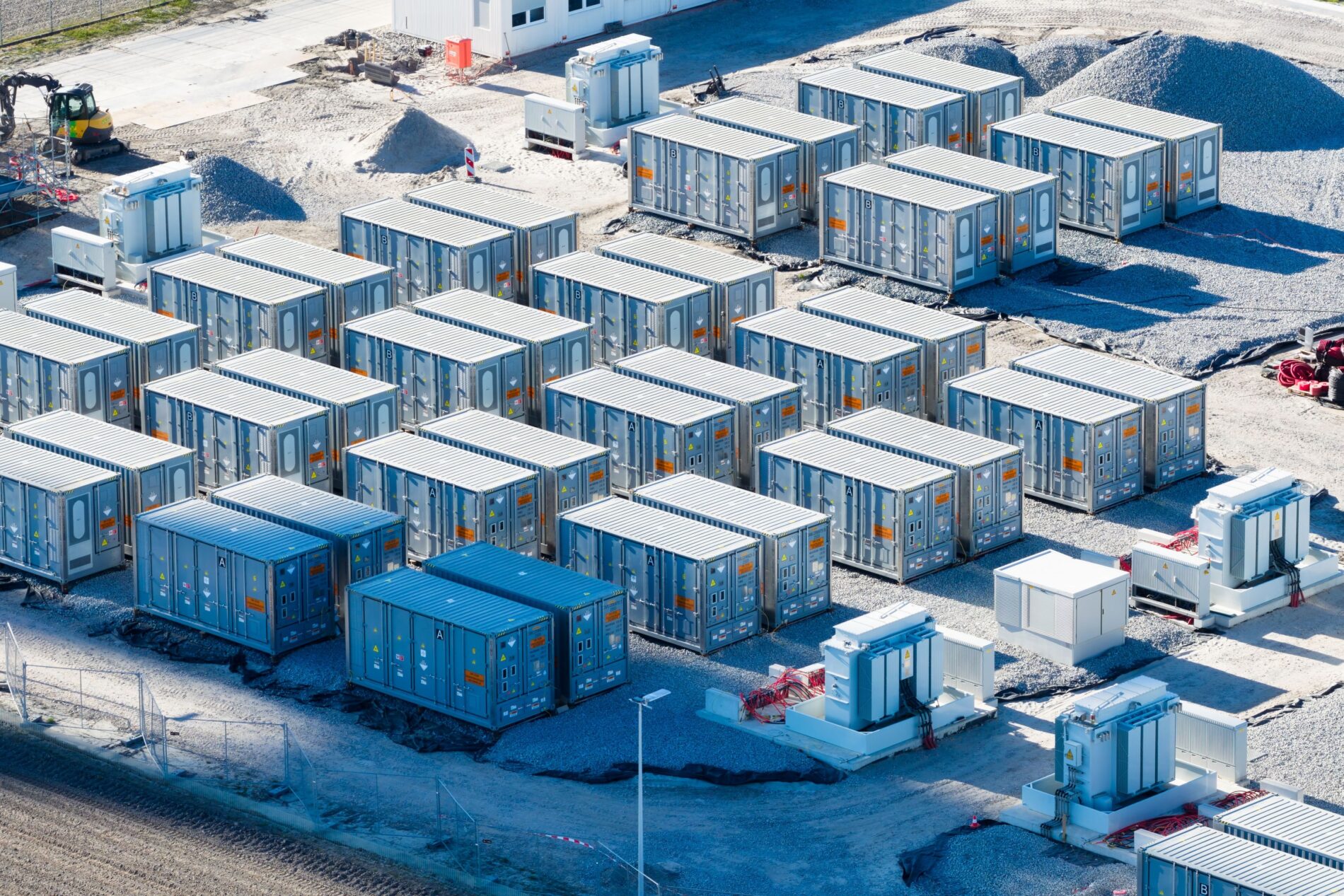
Batteries respond within milliseconds, thereby stabilizing both frequency and voltage. Furthermore, operators purchase electricity when prices are low and sell it later at a higher price. This business model smooths out intraday fluctuations. However, the technology does not generate additional energy; once discharged, it requires a fresh supply of electricity from power plants or renewable energy facilities. Consequently, it replaces neither firm capacity nor reserves needed for prolonged generation gaps.
New studies quantify cost savings in the billions
Nevertheless, the boom in battery storage offers measurable benefits for daily electricity trading. Fraunhofer IEE modeled the addition of 20 gigawatts of storage capacity with a four-hour duration. This 80-gigawatt-hour capacity would have resulted in savings of approximately €5.6 billion between January 2025 and May 2026. Additionally, the incidence of negative market prices would have dropped by nearly 70 percent, and the curtailment of renewable energy plants would have decreased by around 55 percent, according to the study. However, it should be noted that the study was commissioned by associations within the renewable energy sector.
The Institute of Energy Economics at the University of Cologne (EWI) also identifies significant advantages. Accelerating expansion threefold could save consumers up to €2.8 billion annually by 2035. At the same time, variable system costs could fall by up to €1.8 billion. According to the model, average price levels would be roughly five percent lower. Yet, this report was also commissioned by a storage developer. Moreover, large-scale batteries replace neither grid expansion nor permanently available generation capacity.
Grid connection requests vastly exceed existing capacity
By the end of 2024, transmission system operators had received around 650 grid connection requests totaling 226 gigawatts. However, as of October 2025, large-scale storage systems with a combined output of 2.4 gigawatts and 3.2 gigawatt-hours of usable capacity were actually in operation. Other registered projects accounted for only about five gigawatts of capacity. Consequently, connection requests do not equate to projects that are already financed or ready for construction. The Federal Network Agency is currently addressing the issues of security deposits and flexible connection agreements, aiming to allocate grid capacity more efficiently.
At the same time, larger facilities with longer operational lifespans are being developed. A storage facility with an output of 1,000 megawatts and a capacity of up to 5,700 megawatt-hours is scheduled to begin operations in Klostermansfeld in 2028. The boom in battery storage is thus significantly enhancing short-term flexibility. However, for cold days with little wind, Germany still requires dispatchable power plants, robust grids, flexible consumers, and long-term storage solutions. While large-scale batteries solve a significant part of the electricity challenge, they cannot guarantee security of supply on their own.
Verwendete Quellen: IWR (17.07.26) – Fraunhofer IEE (Stand: 02.07.26) – Energiewirtschaftliches Institut Uni Köln (01.07.26) – Bundesnetzagentur (Stand: 25.07.26)