
Agrola will discontinue its hydrogen service in Switzerland at the end of December 2026. The filling stations in Schötz, Rothenburg, and Zofingen are affected. The responsible Landi cooperatives cite low sales volumes as the reason for the move. Consequently, drivers of hydrogen cars and fuel-cell trucks will lose three key refueling locations. However, the companies state that no layoffs are planned. The closures will shrink the already sparse network of filling stations and make operating these vehicles more difficult.
Agrola responds to persistently low demand at hydrogen filling stations
The hydrogen filling stations are owned by the Landi cooperatives of Luzern-West, Sempach-Emmen, and Sursee. They decided to shut them down in consultation with the concept developer. While the companies remain committed to a variety of drive technologies, operating the three stations is not economically viable due to low demand.
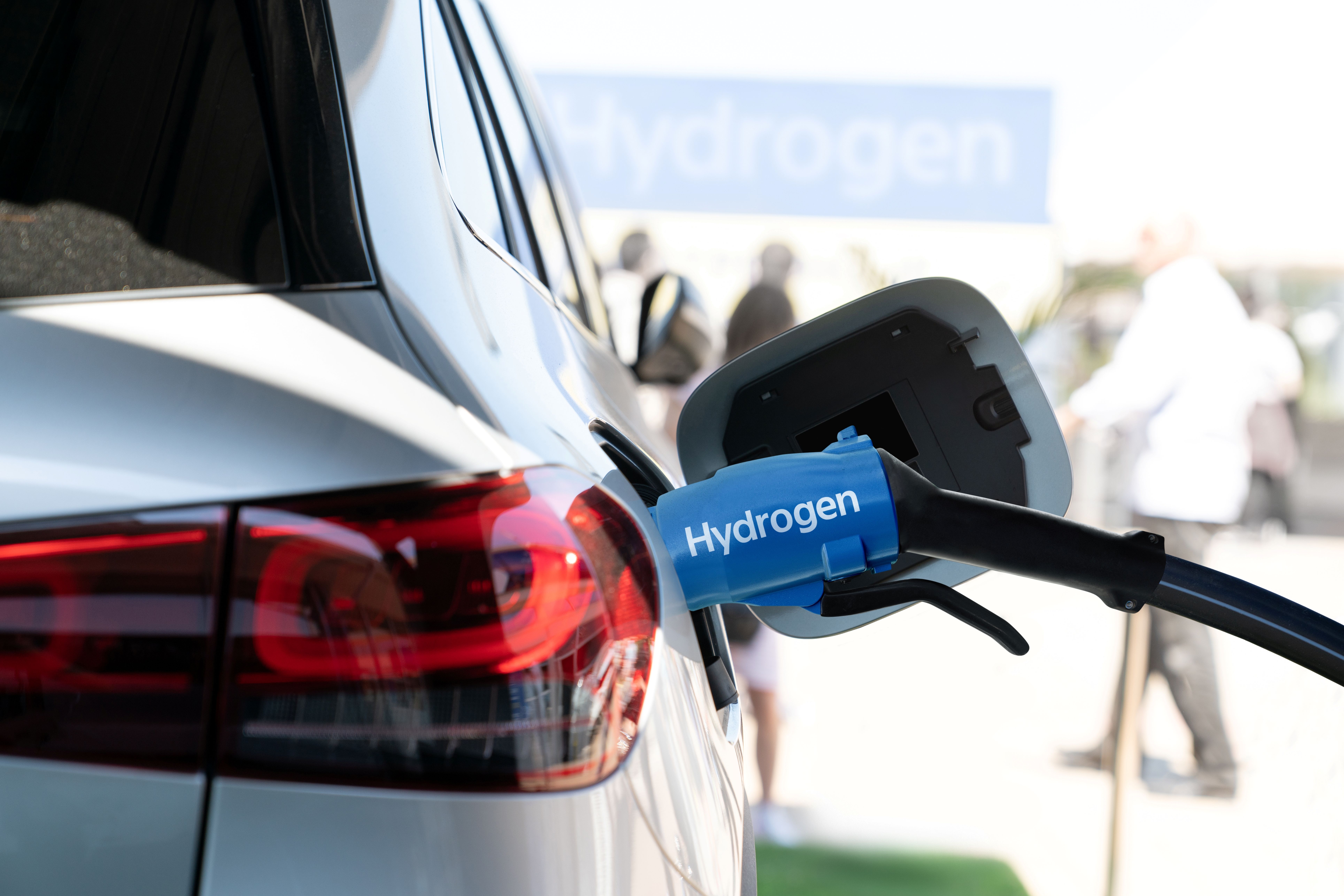
Image: Shutterstock
This trend is particularly evident in Schötz. Agrola opened the facility there only in early 2023, with the capacity to refuel three trucks and one passenger car simultaneously. The service was also specifically targeted at regional logistics companies. However, the anticipated number of hydrogen vehicles failed to materialize.
Three closures weaken the Swiss hydrogen network
The first of the affected filling stations began operations in Zofingen in October 2020. Rothenburg followed in early 2021, with Schötz opening two years later. This created a regional supply network within a short period. However, all three locations are set to close simultaneously by the end of 2026.
The H2 Mobility Switzerland association currently lists fewer than two dozen public hydrogen filling stations in the country. Consequently, the three closures will have a noticeable impact on the network. While drivers can still use other stations, the distance to the nearest pump will increase in some parts of Central Switzerland.
Battery-powered trucks gaining ground faster
The composition of the vehicle fleet explains the economic challenges facing filling stations. By the end of 2024, only 59 heavy-duty fuel-cell vehicles were registered in Switzerland. Furthermore, only four new fuel-cell trucks were added in 2025. Consequently, the fleet grew much more slowly than anticipated when the infrastructure was being developed.
In contrast, battery-electric trucks are gaining market share much more rapidly. In 2025, 942 new electric trucks took to Swiss roads, accounting for more than 22 percent of new registrations. Agrola is therefore discontinuing its offering in a market that is increasingly focused on battery-powered vehicles. Nevertheless, fuel-cell trucks can offer technical advantages for long-haul routes and heavy payloads. However, without larger fleets, filling stations lack sufficient utilization.
Author: Blackout News
Sources: Börse-Express (11.06.26) – Plattform J (10.06.26) – Luzerner Zeitung (08.06.26) – Förderverien H2 Mobilität Schweiz (Stand 16.06.26)