
From its headquarters in Wolfsburg, Volkswagen is pushing ahead with the sale of a majority stake in MAN Energy Solutions. Based in Augsburg, the company is part of the VW Group but manufactures large marine engines and energy technology rather than cars. The move is driven by a corporate restructuring necessitated by weakening automotive business in China and the US, alongside the continued heavy capital demands of the shift to electric mobility. The most critical issue concerns access to specialized industrial know-how. The move affects 16,200 employees, more than 140 locations, and €4.9 billion in revenue; this involves the company’s crown jewels, not merely a peripheral business.
Everllence stands for technology beyond the automotive market
Everllence supplies two-stroke and four-stroke engines for large ships. Its portfolio also includes turbomachinery, energy technology, and service operations. The division is therefore more broadly based than many other VW units.
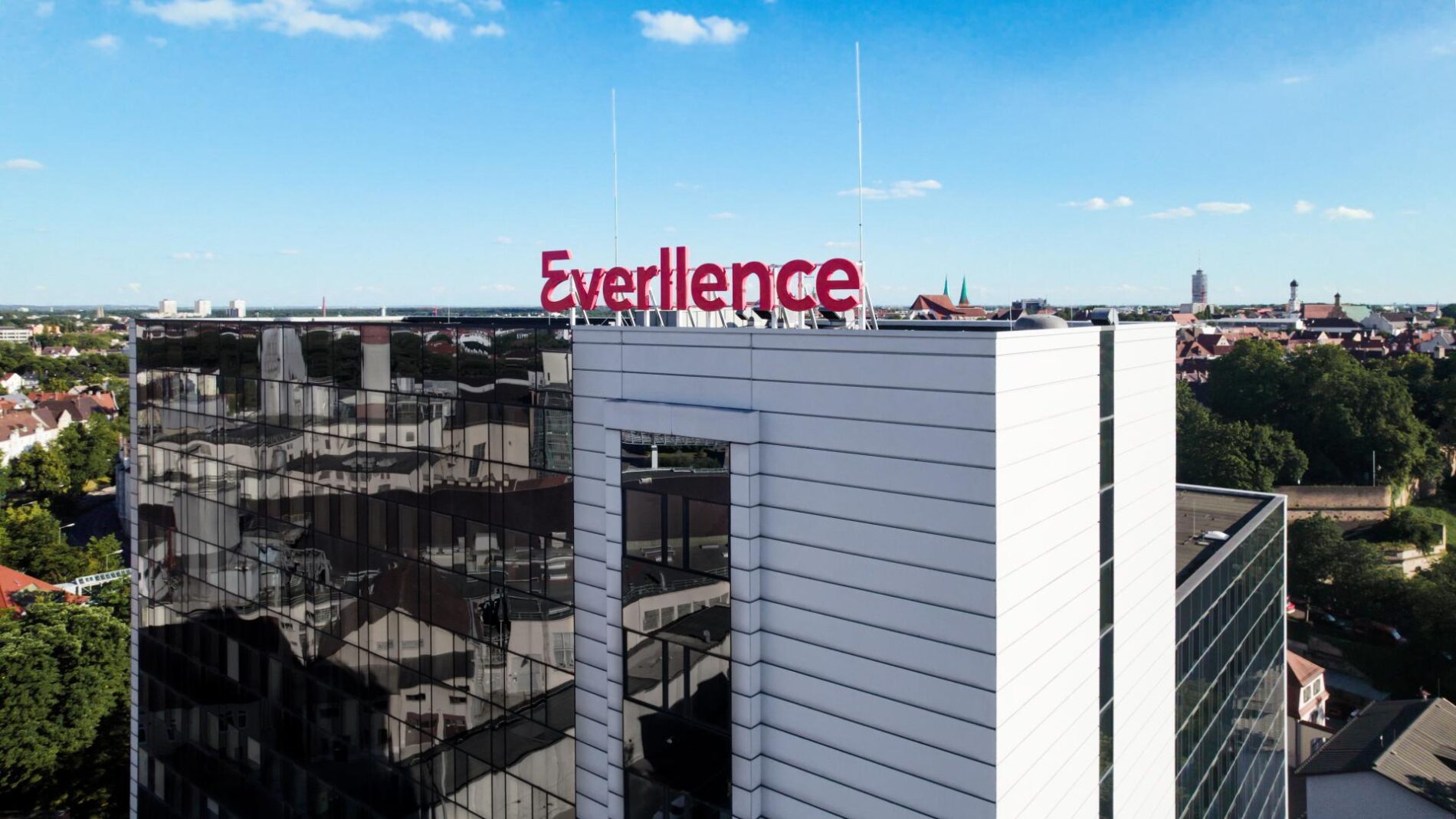
Image: ©Everllence
The technology powers freighters, tankers, and energy facilities worldwide. Furthermore, Everllence is developing engines for methanol, methane, and ammonia; the sale therefore extends to future fuels for the shipping industry.
Prized asset attracts financial investors and corporate shareholders
Reuters identifies CVC, Bain Capital, and a consortium comprising EQT, Porsche SE, and Qatar as the finalists. The valuation is reportedly in the range of eight to nine billion euros. However, VW apparently intends to retain a minority stake.
For VW, this prized asset serves as a short-term lever: the group gains liquidity and can reduce debt. At the same time, however, it loses direct influence over a technology that is difficult to replace.
Weak markets increase pressure to sell
VW’s financial figures explain the move. While the group generated revenue of €321.9 billion in 2025, its operating result fell to €8.9 billion—a decline of 53 percent.
In the first quarter of 2026, VW’s global vehicle deliveries dropped by four percent. Sales in China fell by 15 percent, while US sales plummeted by more than a fifth. For pure electric vehicles, VW reported a global decline of 7.7 percent.
Jobs, Osnabrück, and Japan Complicate the Situation
Consequently, the restructuring also affects the workforce in Germany. VW plans to cut around 19,000 jobs by the end of 2026. Furthermore, the group has firmly agreed to eliminate more than 28,000 positions by 2030.
At the same time, VW is seeking new roles for its Osnabrück site, where production of group models is set to end by 2027. Talks with the defense industry are underway, though VW has ruled out weapons manufacturing.
The sector is also grappling with legacy issues stemming from Japan. In 2024, Hitachi Zosen Marine Engine and IMEX reported manipulated fuel consumption data for marine engines. While Everllence is not directly affected by this case, buyers scrutinize such licensing and testing chains closely. Thus, while VW’s “crown jewels” generate revenue, they also spark political conflict. Germany risks losing influence over technology for the shipping, energy, and industrial sectors.
Author: Blackout News
Sources: Financial Times (17.06.26) – Hasepost (12.06.26) – WirtschaftsWoche (08.06.26) – Reuters (01.06.26)