
Swedish automaker Volvo Cars has reported a massive slump in its business. The company is facing significant pressure due to weak sales in China, U.S. tariffs, and difficulties in electric vehicle production. In the third quarter, the firm posted an operating loss of 5.6 billion Swedish kronor—approximately 504 million euros. Revenue fell by 23 percent, and the company’s stock price dropped by nearly 30 percent at one point. Consequently, Volvo has announced an additional 2,500 job cuts, with about 2,000 of these in Sweden. Including previously announced reductions, a total of 5,500 positions are set to be eliminated. Meanwhile, issues with battery manufacturing are delaying the production of the new electric SUV, the EX60.
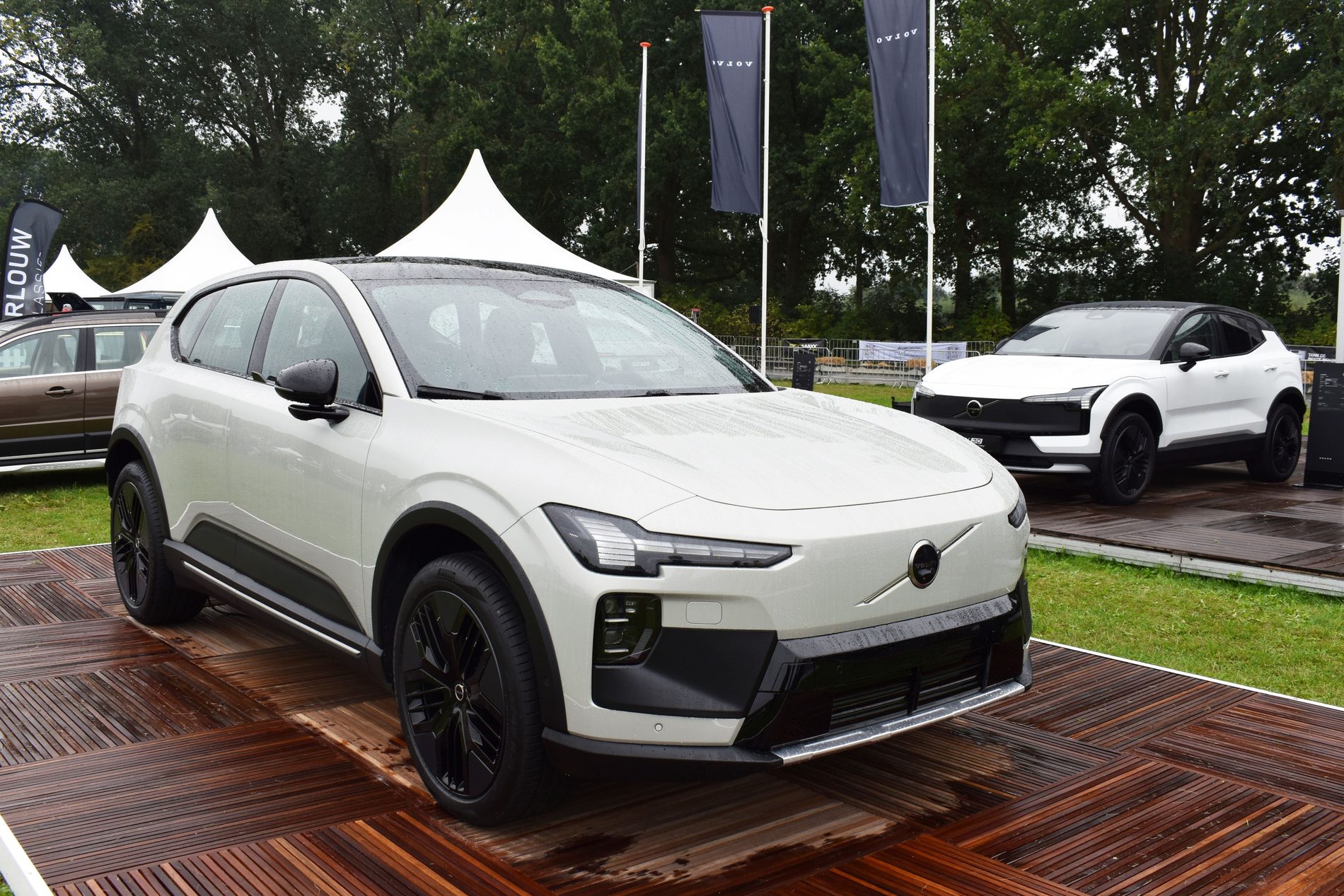
Image: Shutterstock
Volvo Slips into Deep Crisis Following Loss
The latest financial figures reveal a dramatic decline in earnings. In the same quarter last year, Volvo posted an operating profit of 6.4 billion kronor; now, the balance sheet shows a loss of 5.6 billion kronor. Quarterly revenue fell from 86.4 billion to 66.9 billion kronor. Furthermore, free cash flow deteriorated to negative 8.9 billion kronor—equivalent to approximately 800 million euros. Consequently, the group is facing not only a collapse in profits but also a significant outflow of capital.
This development is particularly concerning given the billions invested in electrification. Volvo has been developing new vehicle platforms, battery systems, and electric powertrains; however, the company is currently failing to generate the expected returns. Compounding these issues are declining sales revenues and intensified international price competition. The stock market reacted with a sharp sell-off: on October 23, the share price plummeted by nearly 30 percent at one point, hitting a record low.
Electric Vehicle Strategy Adjusted – Continued Support for EU Phase-out of Combustion Engines
In September 2024, Volvo was forced to adjust its original electric vehicle (EV) strategy. The manufacturer had previously announced plans to sell exclusively fully electric vehicles from 2030 onwards. However, demand proved weaker than anticipated, and the sluggish expansion of charging infrastructure further complicated implementation. Consequently, Volvo revised its plans: by 2030, electric vehicles and plug-in hybrids combined are now expected to account for 90 to 100 percent of sales, leaving room for a limited share of mild hybrids.
Notably, the company’s stance toward European policy remained unchanged at the time. Just 26 days after this strategic shift, Volvo reaffirmed its support for the EU’s stringent CO₂ standards for new cars, set to take full effect from 2035. Then-CEO Jim Rowan advocated for maintaining these regulations. In effect, Volvo sought greater operational flexibility for itself while simultaneously upholding its commitment to binding European emissions targets. Although the company’s internal 2030 goal differs from the EU’s statutory 2035 requirements, this situation highlights the inherent tension between long-term policy mandates and economic market conditions.
Battery Issues Hinder Production of the EX60 Electric SUV
The new EX60 electric SUV, in particular, is causing significant difficulties for the manufacturer. Despite receiving more than 50,000 orders from Europe, production is progressing much more slowly than planned. Since manufacturing began in April, only about 5,000 vehicles have been produced, with just 1,500 delivered by the end of September. Battery production, in particular, has proven problematic, preventing the company from achieving its intended production ramp-up. Yet, this very model was intended to strengthen the manufacturer’s position in the European electric vehicle market.
For the EX60, Volvo is utilizing a novel vehicle architecture featuring a structurally integrated battery. The concept is designed to reduce costs and provide technical advantages in the long term. However, the sophisticated design is causing significant delays in production, which in turn is pushing back deliveries and anticipated revenue. At the same time, the manufacturer has already incurred substantial development costs. Consequently, Volvo faces an additional financial challenge—even though there is a high volume of customer orders.
Business in China collapses – another 2,500 jobs to be cut
In China, Volvo saw its sales drop by nearly half compared to the same quarter last year. There, the manufacturer faces competition from Chinese brands that often offer modern electric vehicles at significantly lower prices. This development is particularly notable given that Volvo is majority-owned by the Chinese Geely Group. Meanwhile, in North America, business is being hampered by US tariffs and the removal of purchase incentives. In contrast, the European market has remained relatively stable. Globally, the share of fully electric Volvo vehicles has even risen from 22 to 32 percent. Nevertheless, this progress has not been sufficient to offset the economic losses.
The consequences are once again falling on the workforce. Volvo had previously announced the elimination of approximately 3,000 positions. Another 2,500 are set to be cut by mid-2027, including around 2,000 in Sweden. These measures also encompass the reduction of external consultants, voluntary departures, and the decision not to fill certain future vacancies. In addition, the company aims to achieve further cost savings of five billion kronor. This intensifies the workforce reduction, even as the anticipated returns from the company’s electric-vehicle push have yet to materialize. The situation illustrates just how costly a strategic realignment can become when sales markets, production capacities, and costs fail to align as planned.
Author: Blackout News
Sources: Volvo Cars (23.10.26) – Euronext Markets (23.10.26) – Autocar (23.10.26)