
On October 22, 2026, the German battery storage manufacturer Sonnen GmbH filed for insolvency under self-administration. This move followed years of losses, a massive slump in sales, and a failed restructuring effort. Shell had sold the company to new investors as recently as August, but even this change in ownership could not halt the economic decline. Now, the company—once a flagship enterprise of the energy transition—faces the prospect of being largely broken up. Approximately 400 employees at the headquarters are directly affected, while plans are in place to wind down numerous subsidiaries. For more than 150,000 customers, service and existing contracts are expected to continue for the time being; however, the long-term support for their battery storage systems remains uncertain.
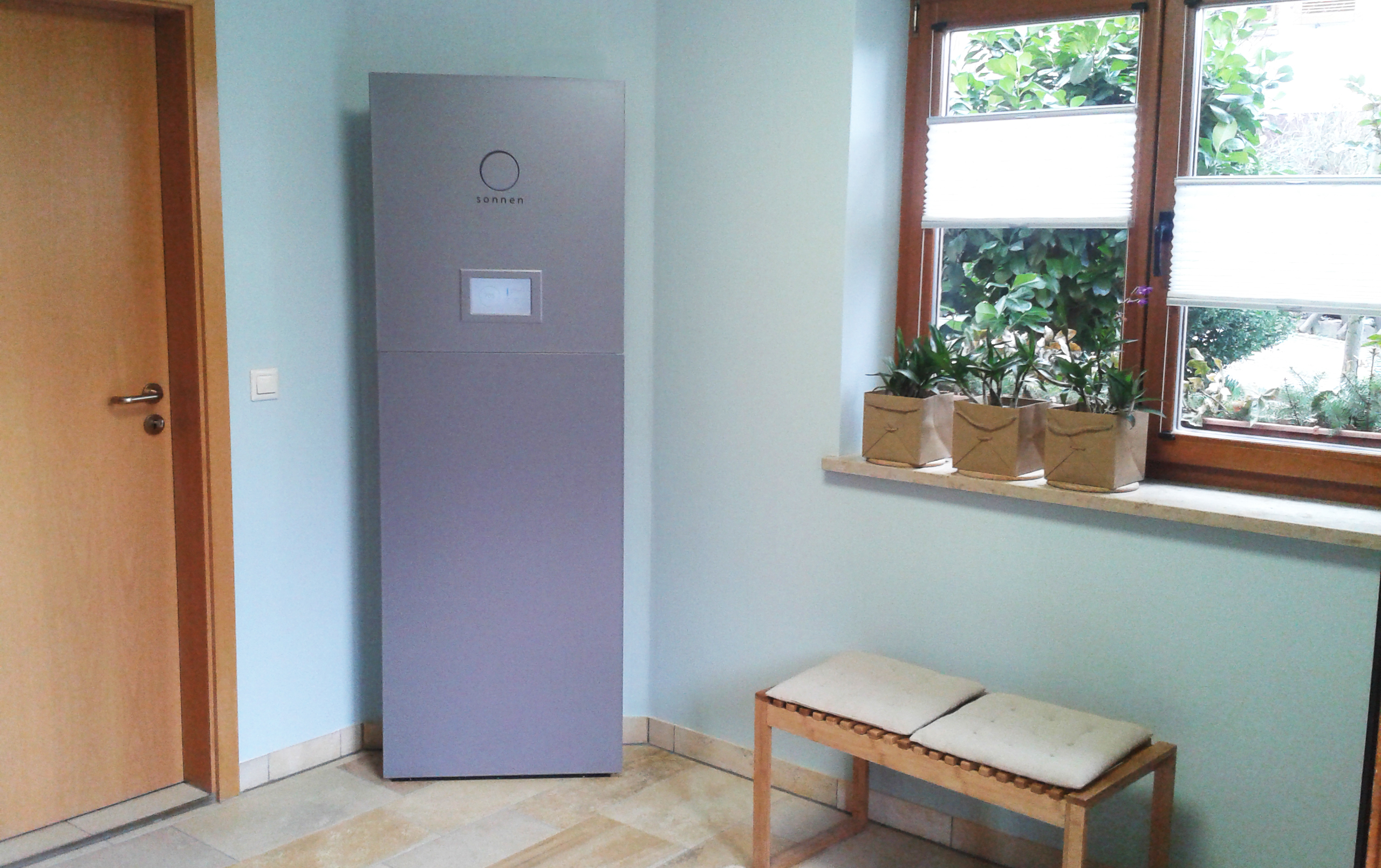
Image: E. R., CC BY-SA 4.0, via Wikimedia Commons

Sonnen GmbH: Losses in the millions despite radical cost-cutting measures
The company’s financial difficulties date back several years. Following a period of strong growth, consolidated revenue plummeted from 443 million euros in 2023 to 198.9 million euros in 2024. During the same period, the operating loss—before interest, taxes, and depreciation—reached approximately 188.7 million euros. Even though management subsequently implemented aggressive cost-cutting measures, the company remained deep in the red. Internal documents project an operating loss of 52.2 million euros for 2025.
A restructuring program dubbed “Sunrise” was intended to reduce costs and return the company to profitability. To this end, Sonnen eliminated numerous jobs and discontinued certain business units. The workforce shrank from an initial 1,318 employees to approximately 800 by January 2026. Nevertheless, the company fell significantly short of its financial targets. The combination of declining revenue and persistently high operating costs proved particularly problematic.
Sale by Shell intended as a rescue
Shell acquired the battery specialist in 2019 for approximately 500 million euros, aiming to expand its business in decentralized power supply. However, even under this well-capitalized owner, Sonnen failed to achieve sustained profitability. Consequently, in August 2026, Shell sold the company to Tiven—the family office of investor Gert Purkert—with the expectation that the new owner, supported by restructuring experts, would restore the manufacturer’s financial stability.
Just two months later, however, the company filed for insolvency. According to recent reports, numerous subsidiaries are set to be closed or undergo insolvency-related restructuring; this reportedly includes operations in the UK and Italy. Only one production site is expected to remain. Sonnen GmbH itself has since confirmed that it has applied for insolvency proceedings under self-administration, a process in which the existing management team continues to run the company for the time being.
Allegations against investors and an uncertain future for customers
Particularly concerning are reports regarding the potential transfer of patents, trademark rights, and other assets to the United States. Several insiders have leveled such allegations against the new owners; however, there is no independent confirmation that any such transfer has actually taken place. To date, neither Shell nor Tiven has publicly addressed or clarified these claims. The American market has recently performed significantly better than the European business; by the end of 2025, North America accounted for nearly 30 percent of the group’s total revenue.
For customers of Sonnen GmbH, the primary concern is the continued availability of technical support. Battery storage systems often require proprietary software, specific communication interfaces, and specialized spare parts—meaning that a permanent cessation of support could have serious consequences. Systems that are networked or rely on cloud-based functions would be especially affected. While the announced continuation of service offers some immediate relief, it provides no guarantee regarding the long-term supply of spare parts or software updates.
The insolvency thus impacts a manufacturer that was once among Germany’s most prominent providers of intelligent home energy storage systems. Sonnen did not merely develop battery units; it also networked them into “virtual power plants.” Nevertheless, the company failed to translate its technical standing into a consistently viable business model. For the Wildpoldsried site, this brings the threat of further job losses and a decline in industrial value creation. Furthermore, the case illustrates that even a growing market for battery storage does not guarantee economic success for individual manufacturers.
Author: Blackout News
Sources: BR24 (23.10.26) – Solarserver (23.10.26) – Handelsblatt (22.10.26) – ZfK (22.10.26)